25 Japandi Living Room Ideas to Finally Master the Art of Zen Minimalist Style
I spent years thinking “minimalism” meant getting rid of everything until my living room felt like a cold, empty box. It was miserable. I wanted that Pinterest-perfect calm, but I just ended up with a space that felt uninviting and, honestly, kind of sad. I cannot stress this enough: Japandi is not just “minimalism with a plant.” It is the soul-soothing intersection of Japanese functionalism and Scandi coziness. When you get the balance of warm wood tones and cool neutral textiles just right, the results speak for themselves.
✨ Before You Start: 25 Japandi Living Room Ideas to Finally Master the Art of Zen Minimalist Style Mindset
Foundational Elements of Japandi Style
The Low-Profile Foundation: Grounding Your Space with Scandi-Japanese Sofas
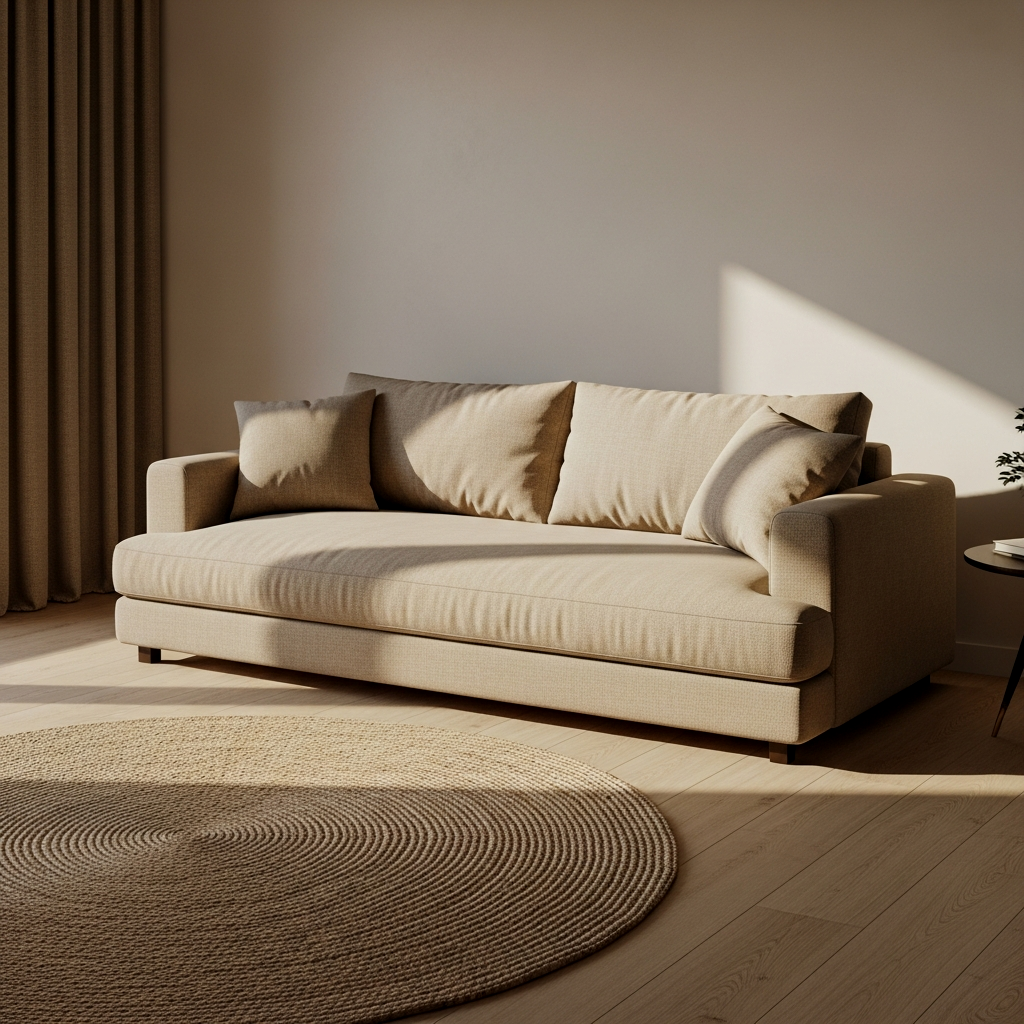
Everything changed for me when I realized that tall, bulky furniture was making my living room feel cramped. Japandi is all about that low-to-the-earth energy. A low-profile sofa with clean lines and light oak legs opens up the visual “air” in the room, making even a small space feel like a massive sanctuary. The results speak for themselves when you sit down and feel instantly more grounded.
15 Japandi Color Palette Ideas That Are Genuinely Life-Changing
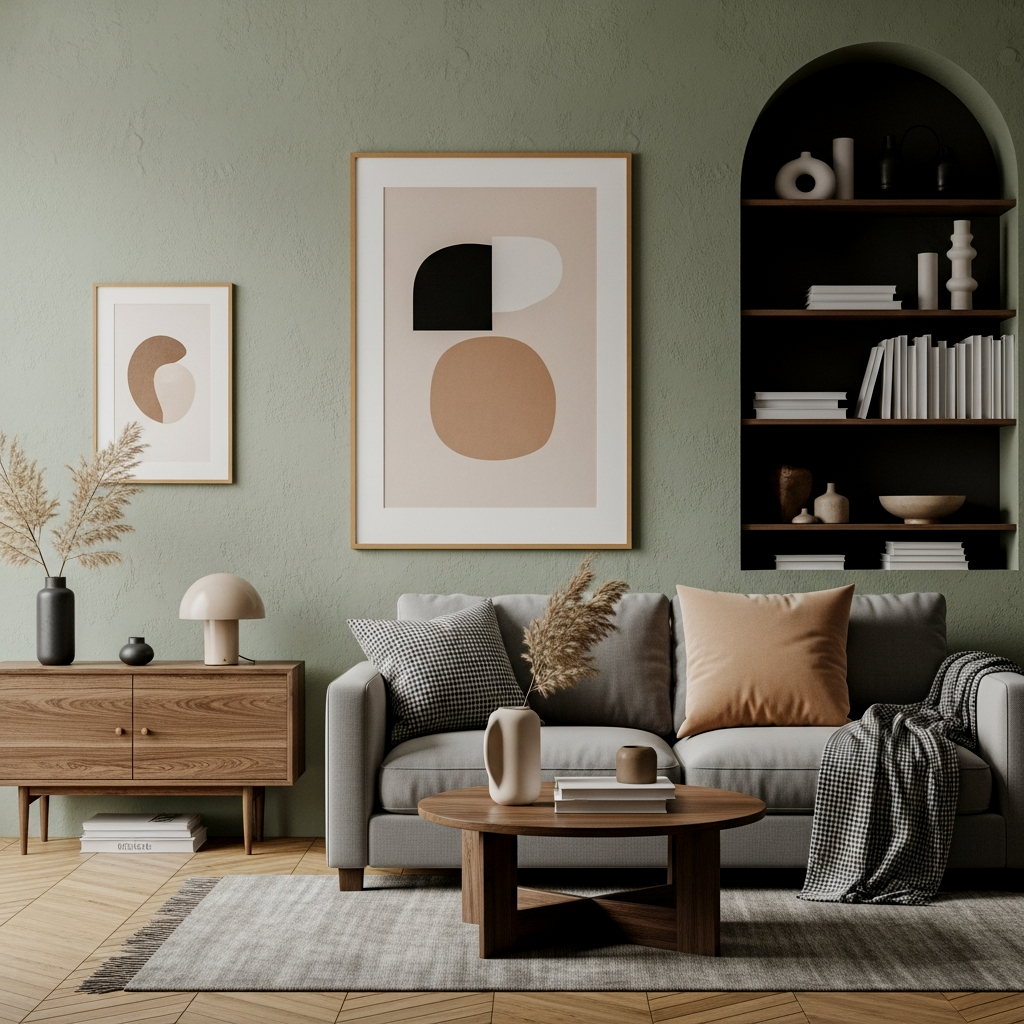
Finding the right colors was what finally made my space feel like a home rather than a hospital waiting room. You need those muddy, earthy tones—think oatmeal, stone, and sage—to ground the brightness of the Scandi whites. This changed everything for me because it added depth without adding “stuff.” Choosing the right palette is genuinely life-changing for the overall mood of your home.
Want to explore this specific look further? I’ve done the full deep-dive so you don’t have to!
The Architectural Statement: Vertical Slatted Wood Feature Walls
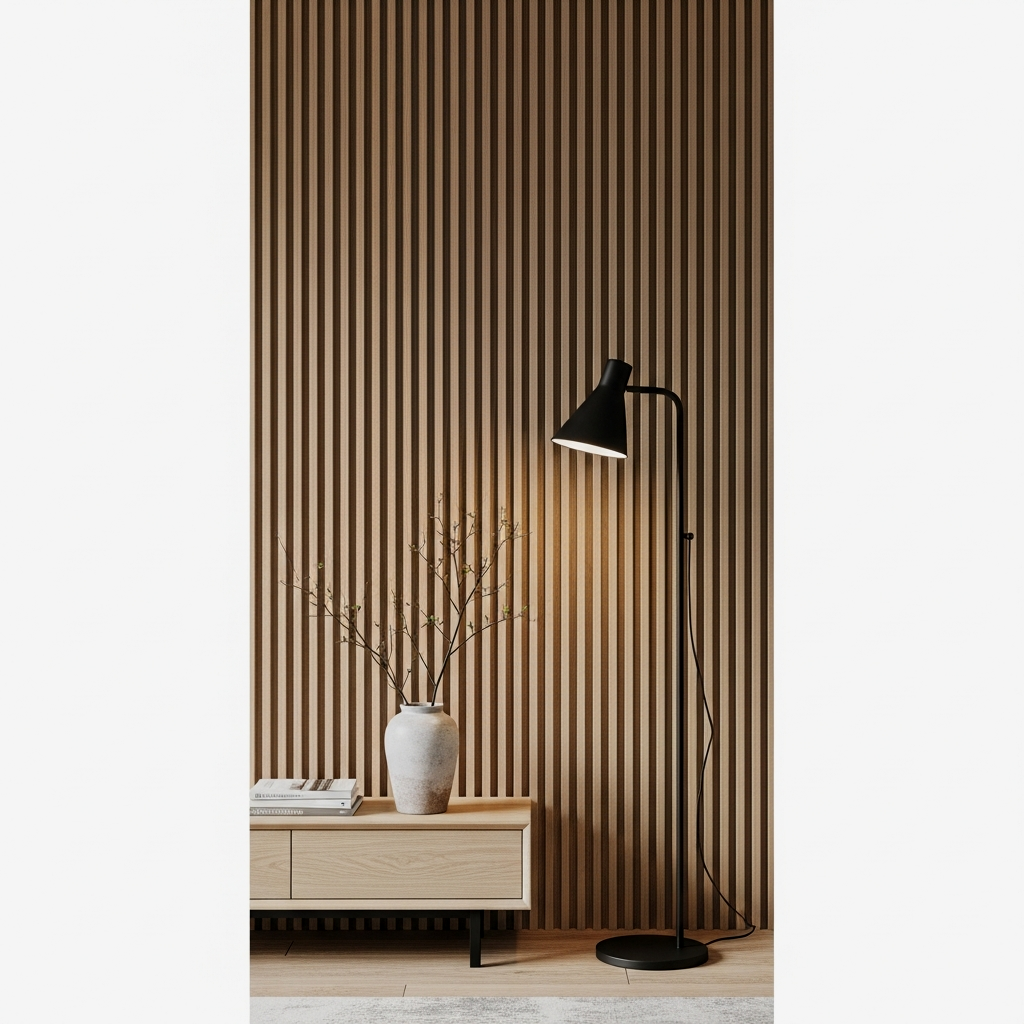
No seriously, if you want that high-end designer look without a full renovation, slatted wood panels are the answer. They provide that rhythmic, Japanese aesthetic while adding the warmth of Scandi timber. It’s the perfect way to hide an ugly TV wall or just add some much-needed architectural interest to a plain apartment box.
Always balance “hard” architectural elements like wood slats with “soft” organic shapes—like a round rug or a curved vase—to prevent the room from feeling too rigid.
Lighting and Ambiance
12 Japandi Lighting Ideas: The Best Kept Secret to a Truly Cozy Glow
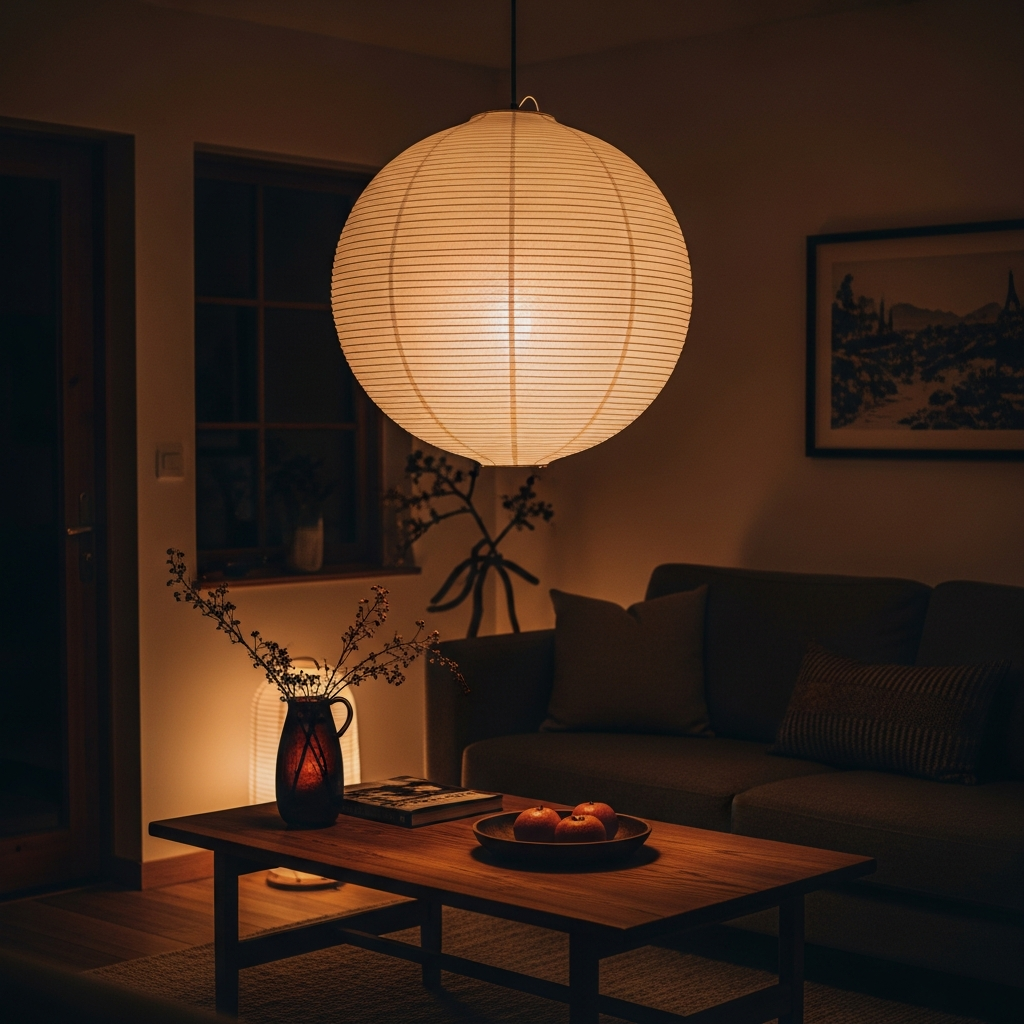
I used to rely on harsh overhead “big lights” until I discovered how Japanese-inspired lighting can transform a room’s vibe. Think rice paper lanterns and floor lamps that mimic the sun. This is the best kept secret to a truly cozy glow; it creates soft shadows and a sense of quietude that makes you want to whisper when you enter the room.
Want to explore this specific look further? I’ve done the full deep-dive so you don’t have to!
Nature’s Anchor: The Indoor Olive Tree Focal Point
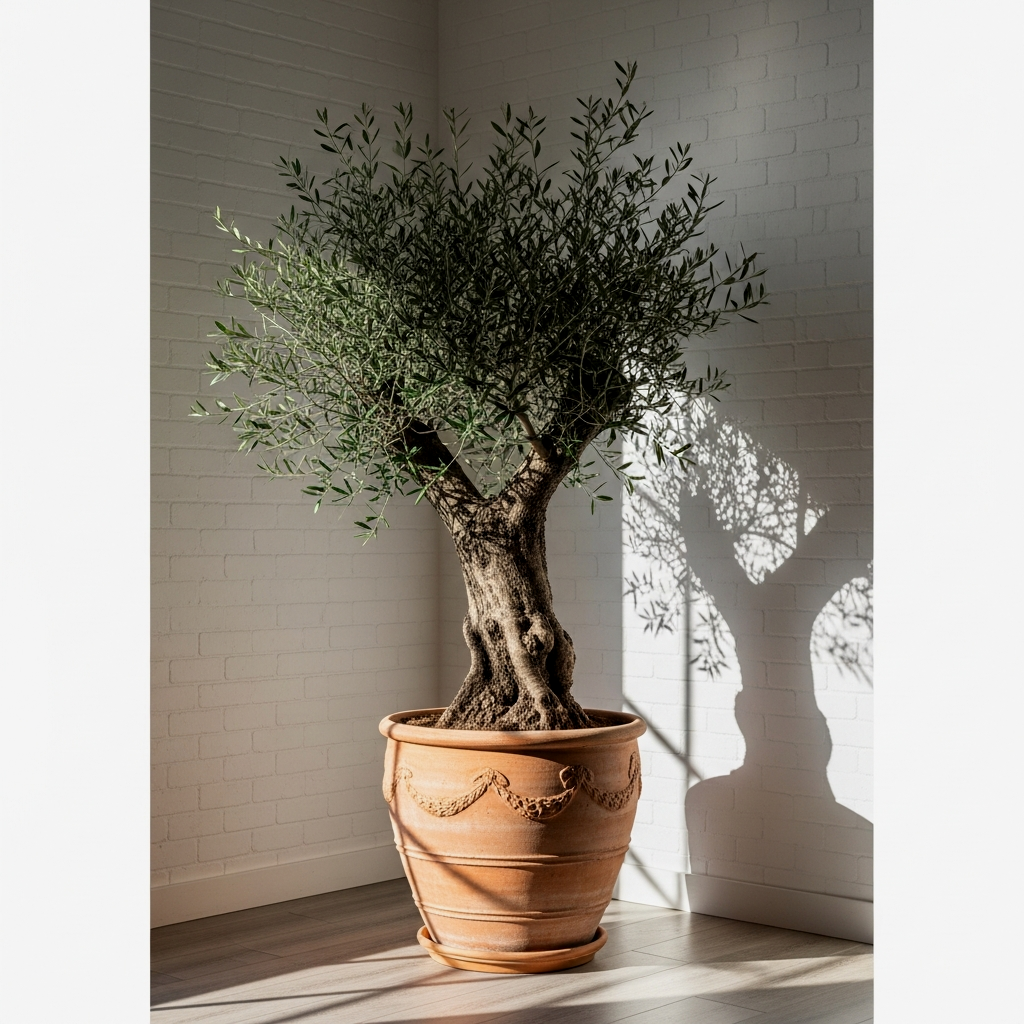
The difference is unreal when you swap a dusty faux fiddle leaf fig for a delicate, silvery olive tree. Its thin branches and muted green leaves are the epitome of Japandi elegance. It acts as a living sculpture, bringing a piece of the outside in without overwhelming the minimalist aesthetic.
13 Japandi Texture Ideas to Warm Up Your Minimalist Space
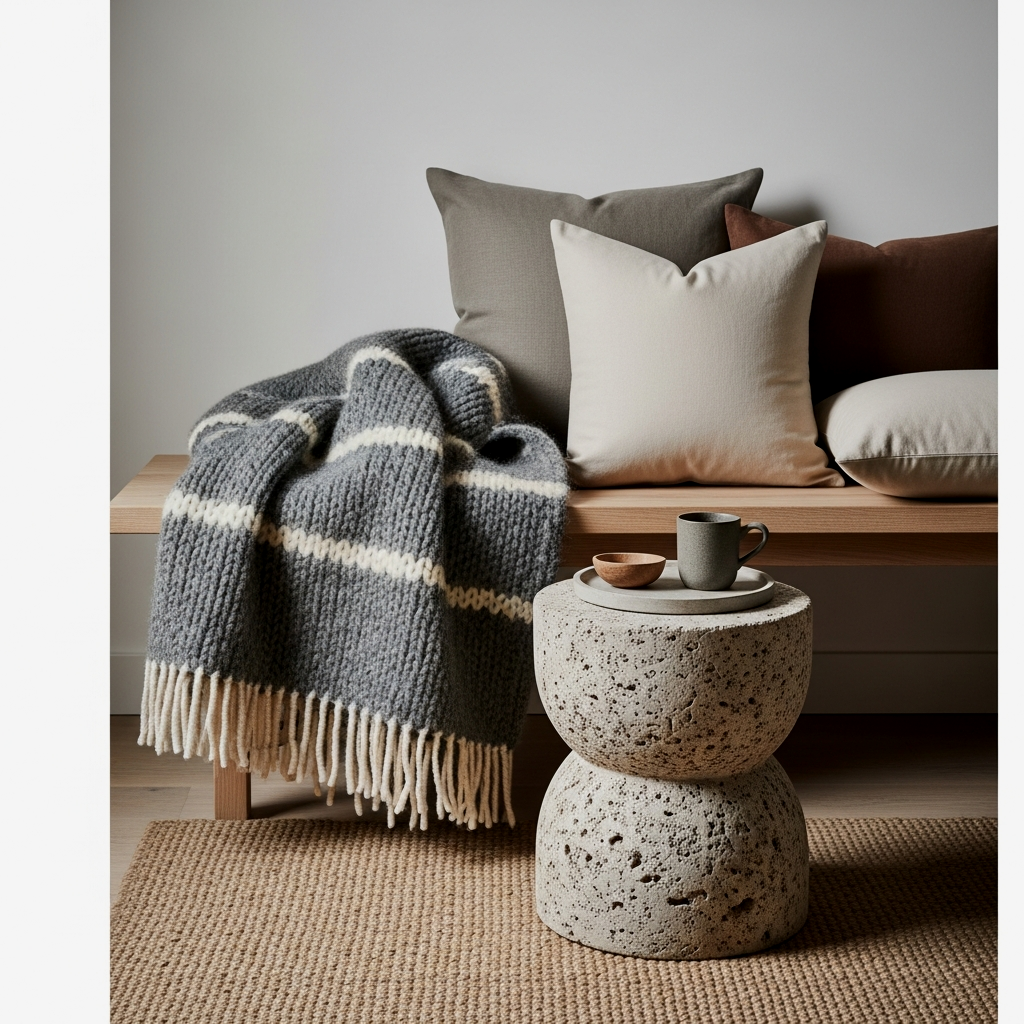
If your room feels “flat,” it’s likely because you’re missing texture. You need to layer bouclé against smooth wood, or rough ceramics against soft linen. Once you try this you cannot go back to flat, synthetic fabrics. These texture ideas are designed to warm up your minimalist space so it feels lived-in and loved.
Want to explore this specific look further? I’ve done the full deep-dive so you don’t have to!
11 Japandi Window Treatments for the Perfect Soft Natural Light
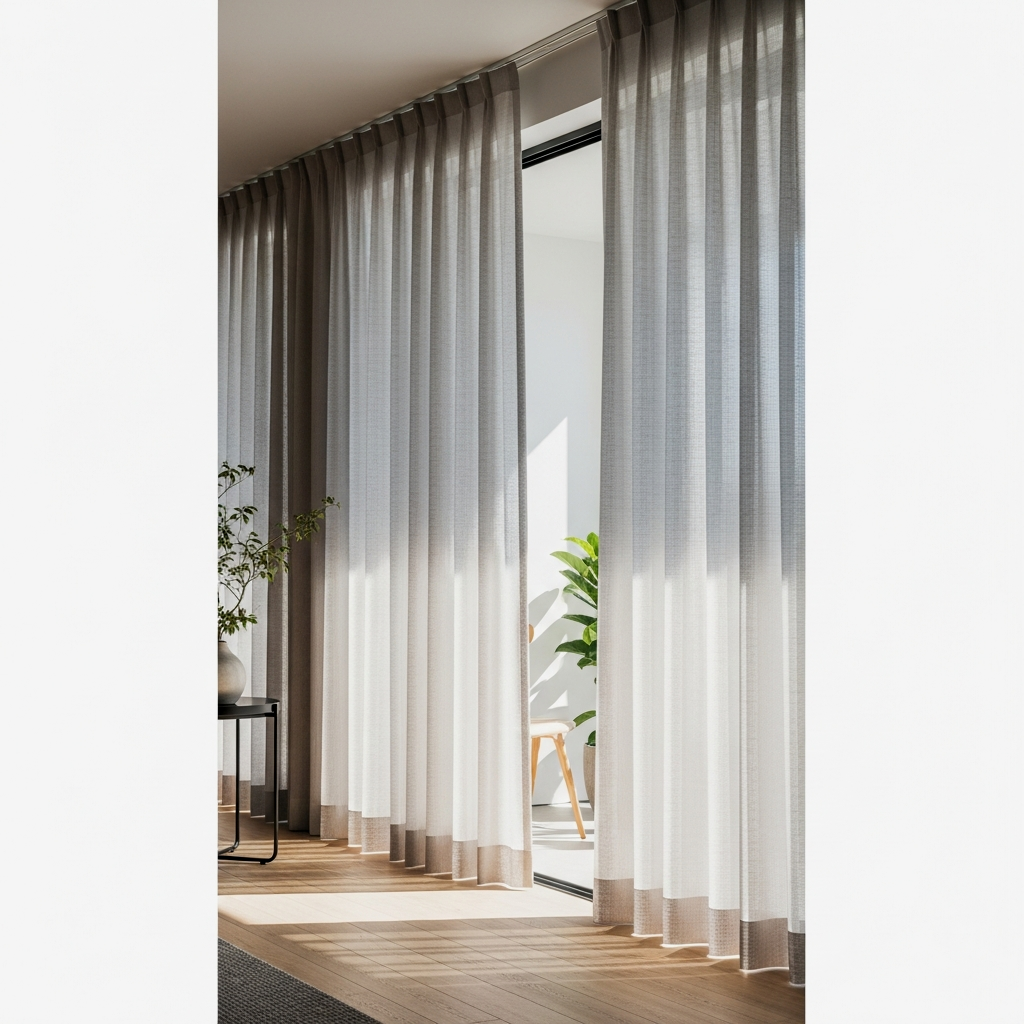
I was not prepared for how good this looks—swapping heavy curtains for sheer linen or bamboo shades completely changes the quality of light in a room. You want that “filtered” look that mimics a traditional Japanese home. These window treatments are the key to the perfect soft natural light that makes every surface in your home look more expensive.
Want to explore this specific look further? I’ve done the full deep-dive so you don’t have to!
The exact pieces that make these ideas work:
Furniture and Small Space Solutions
14 Japandi Furniture Pieces That Look Way More Expensive Than They Are
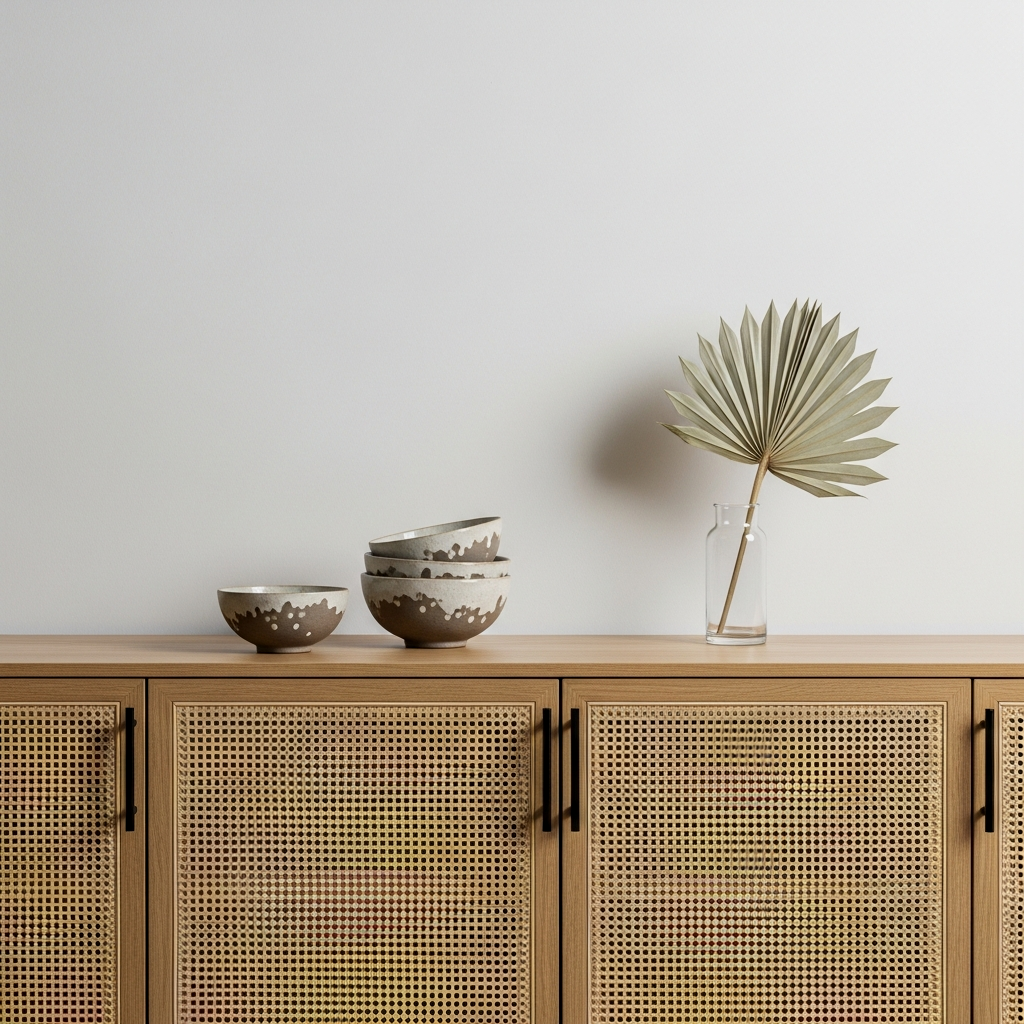
Let’s be real: we all want that high-end minimalist look without the five-figure price tag. Obsessed is an understatement when it comes to these specific curated finds. From cane chairs to solid oak benches, these Japandi furniture pieces look way more expensive than they are, giving your room that sophisticated “curated” feel on a budget.
Want to explore this specific look further? I’ve done the full deep-dive so you don’t have to!
10 Small Japandi Living Room Ideas for Apartment Dwellers
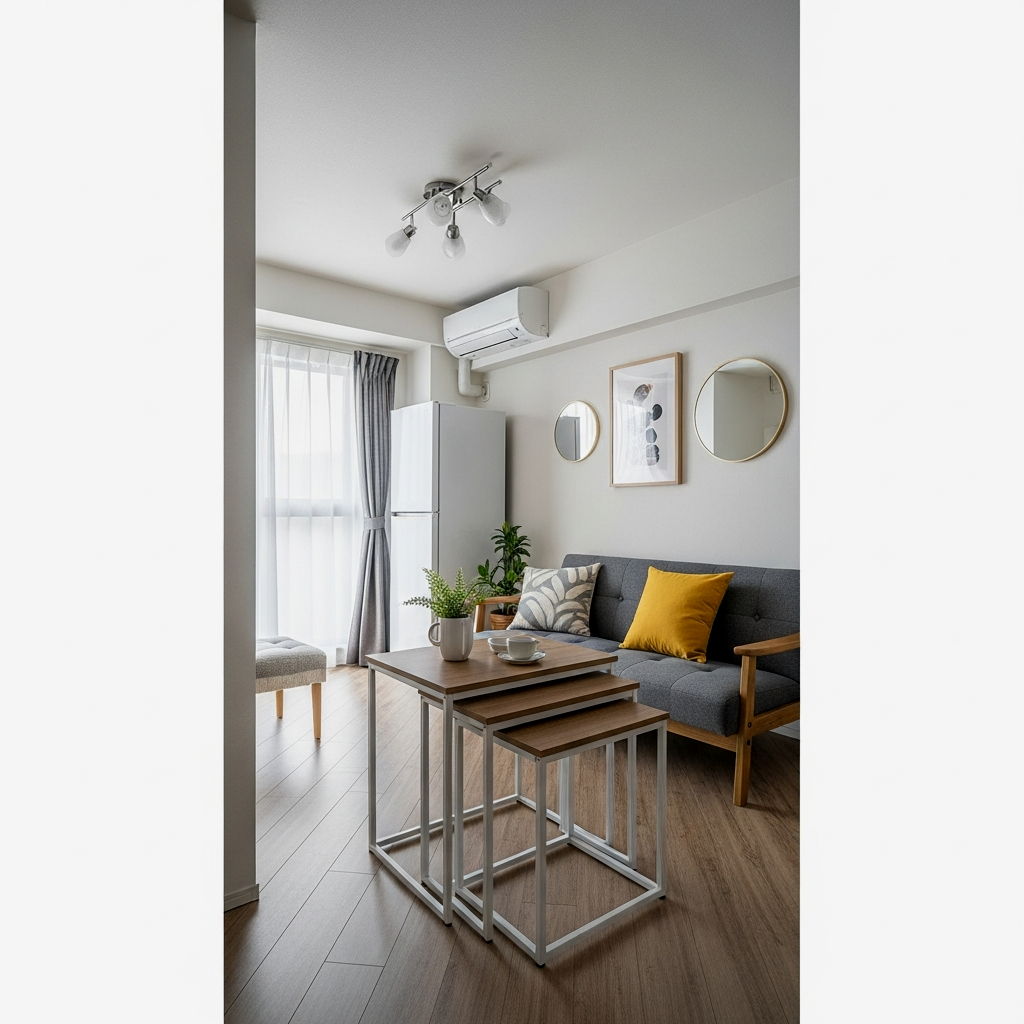
Living in a small apartment doesn’t mean you can’t have a zen sanctuary. You will not regret this shift toward multi-functional, leggy furniture that lets you see more of the floor. These small Japandi living room ideas for apartment dwellers prove that you can master the aesthetic even in a tiny footprint.
Want to explore this specific look further? I’ve done the full deep-dive so you don’t have to!
The Wabi-Sabi Gallery: Imperfect Ceramics and Organic Shapes
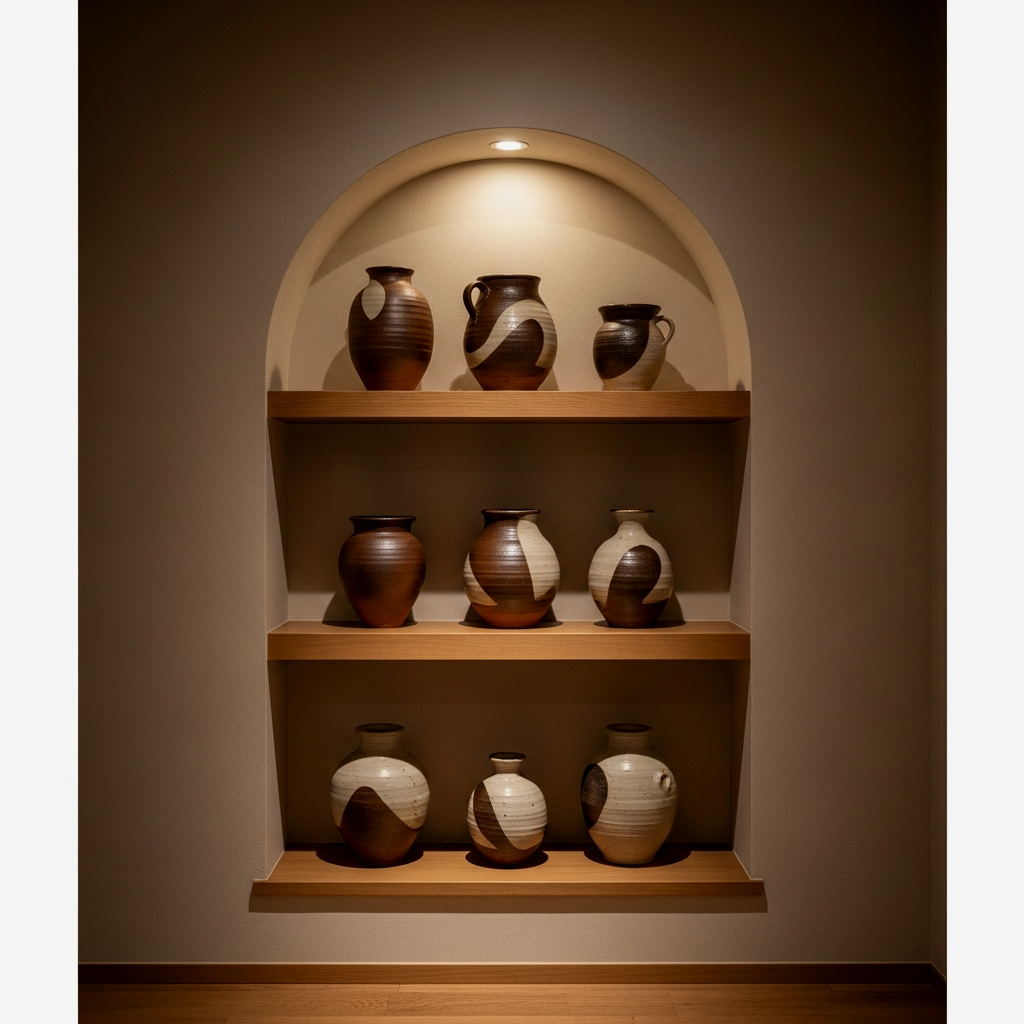
Forget the perfectly symmetrical gallery wall. Trust me on this one: a single, slightly “wonky” ceramic vase or an abstract ink painting is far more powerful. Wabi-sabi is about finding beauty in the imperfect, and that’s exactly what your styling needs to feel human and warm.
Low-Tension Living: The Reclaimed Wood Coffee Table
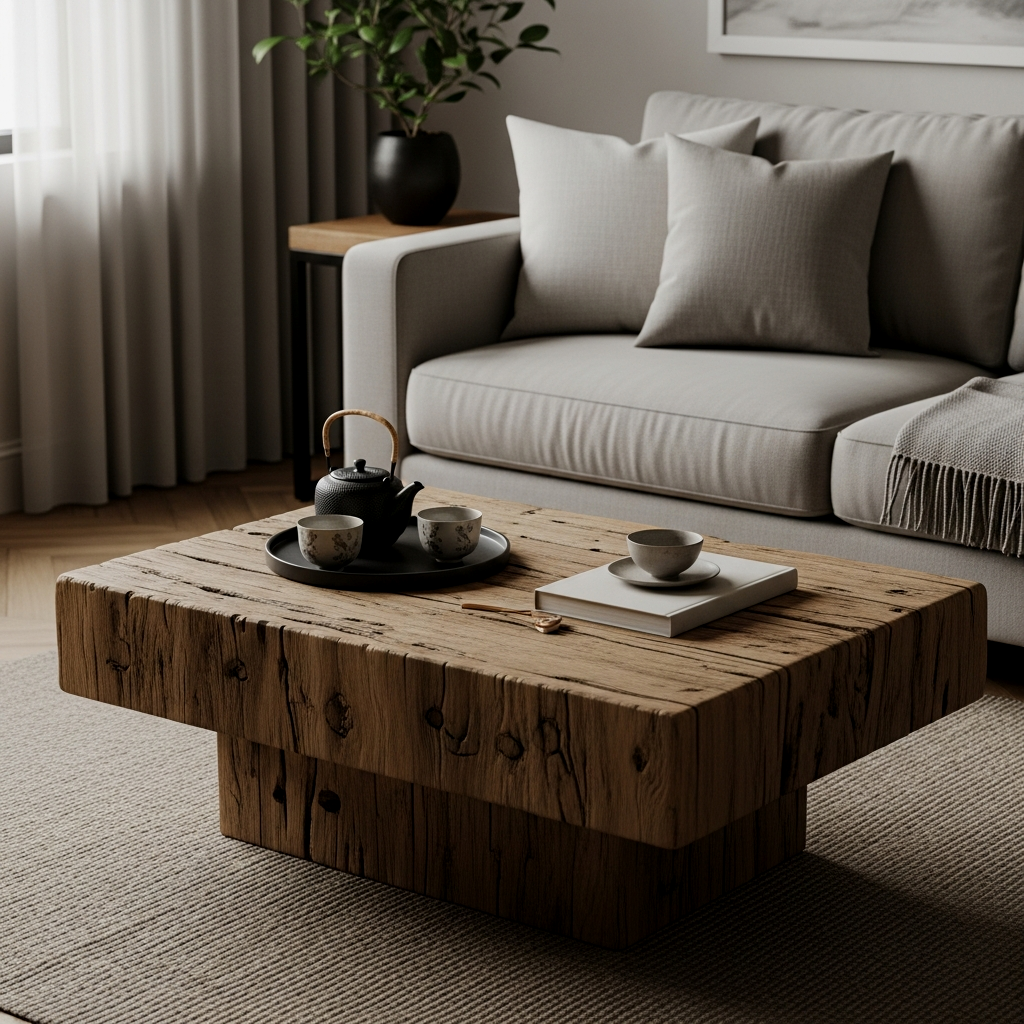
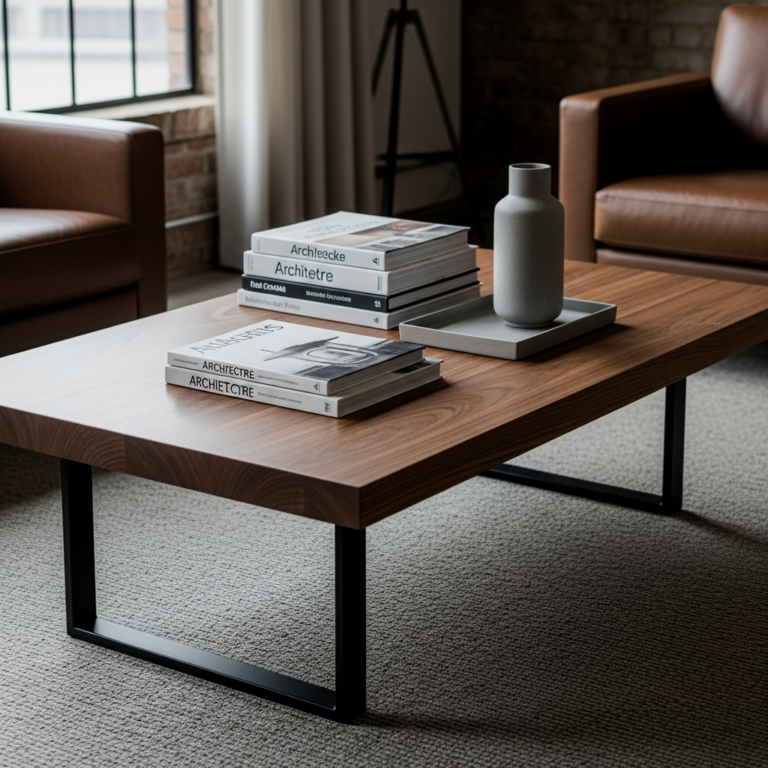
This is the one furniture item that can truly anchor your space. A heavy, reclaimed wood coffee table adds history and soul to the room. It balances out the “newness” of a modern sofa and provides a tactile, natural surface that only gets better with age.
Discover how the right lighting can turn a cold room into a warm, zen sanctuary instantly.
Refining the Japandi Detail
The Floating Shelf: Minimalist Curation at Eye Level
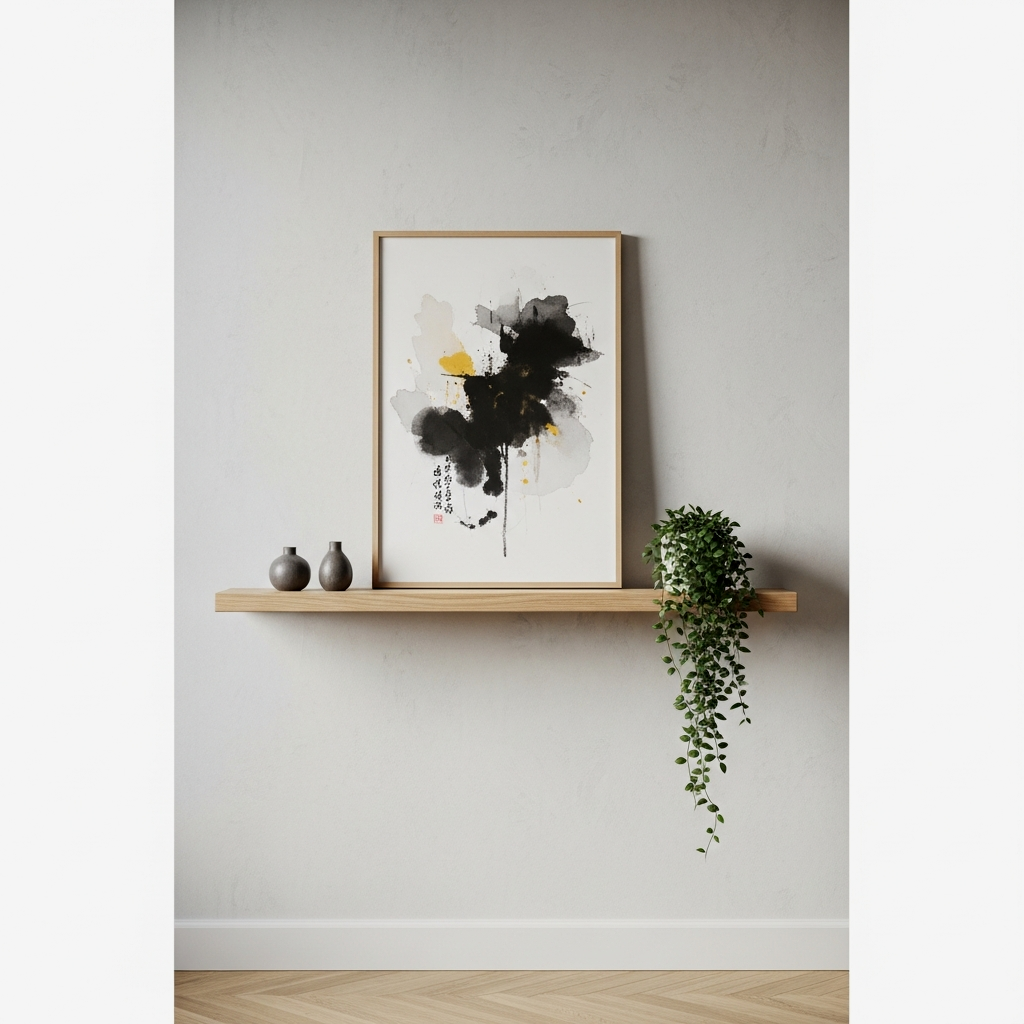
Stop over-decorating your shelves! A single floating shelf with three high-quality items—a book, a stone, and a small plant—is all you need. Do not sleep on this; the “empty space” between objects is just as important as the objects themselves.
Modern Zen: Integrating Tatami Mats into Western Layouts
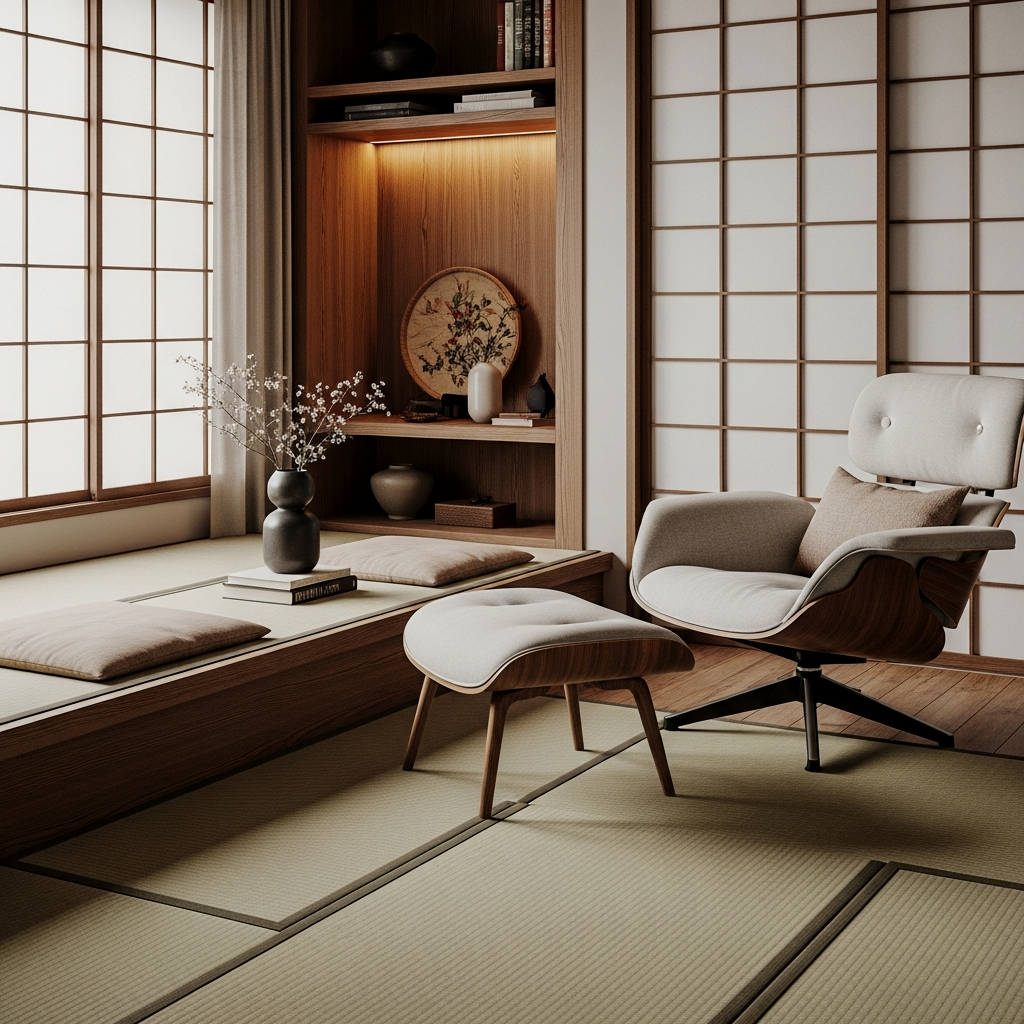
You don’t need a traditional tea room to enjoy tatami. I’ve seen tatami mats used as area rugs under a coffee table, and the result is absolutely stunning. They add a specific scent and texture that instantly tells your brain it’s time to relax.
The Contrast Play: Dark Charcoal Accents on Light Oak
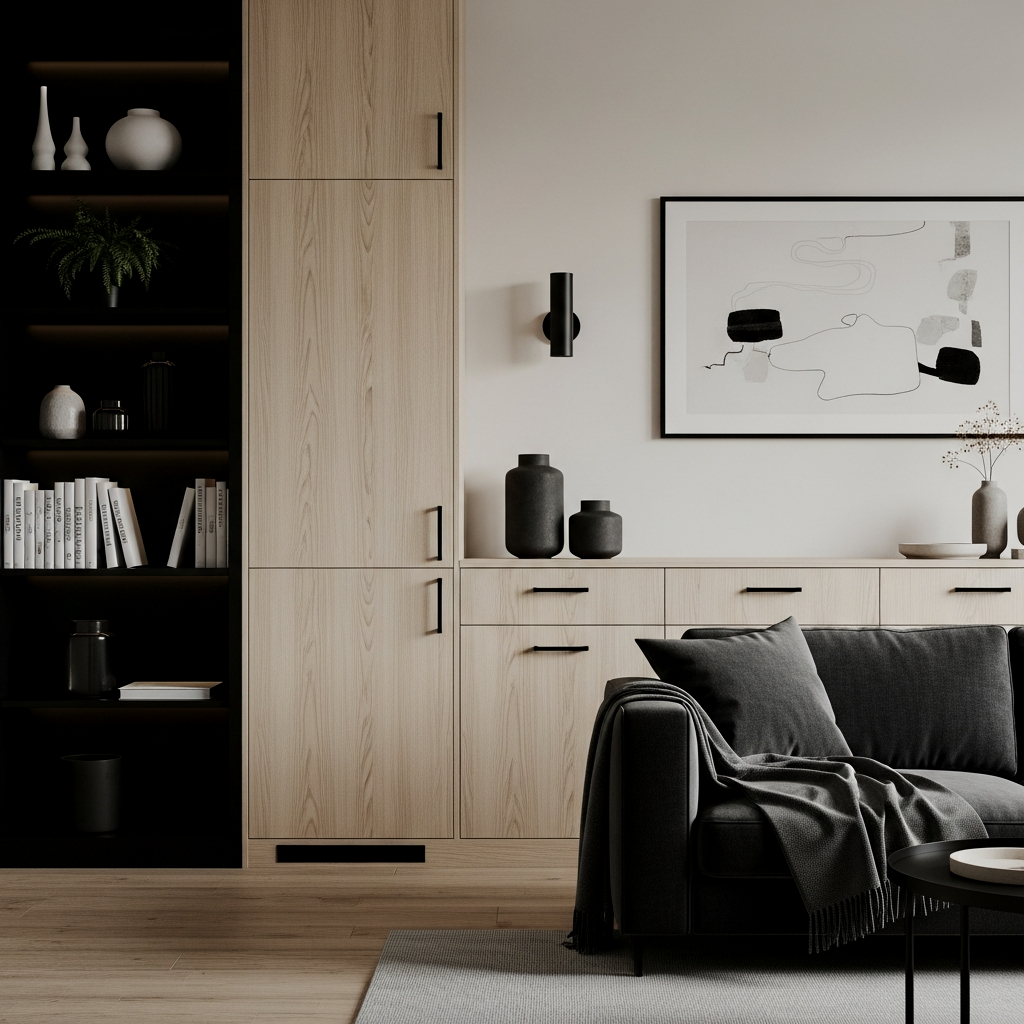
I wish someone had told me sooner that Japandi needs contrast to keep it from looking “mushy.” While the base is light and airy, adding a few dark charcoal or black metal accents—like a slim floor lamp or a picture frame—gives the room the “edge” it needs to look modern.
Floor Seating Revolution: Zaisu Chairs and Meditation Cushions
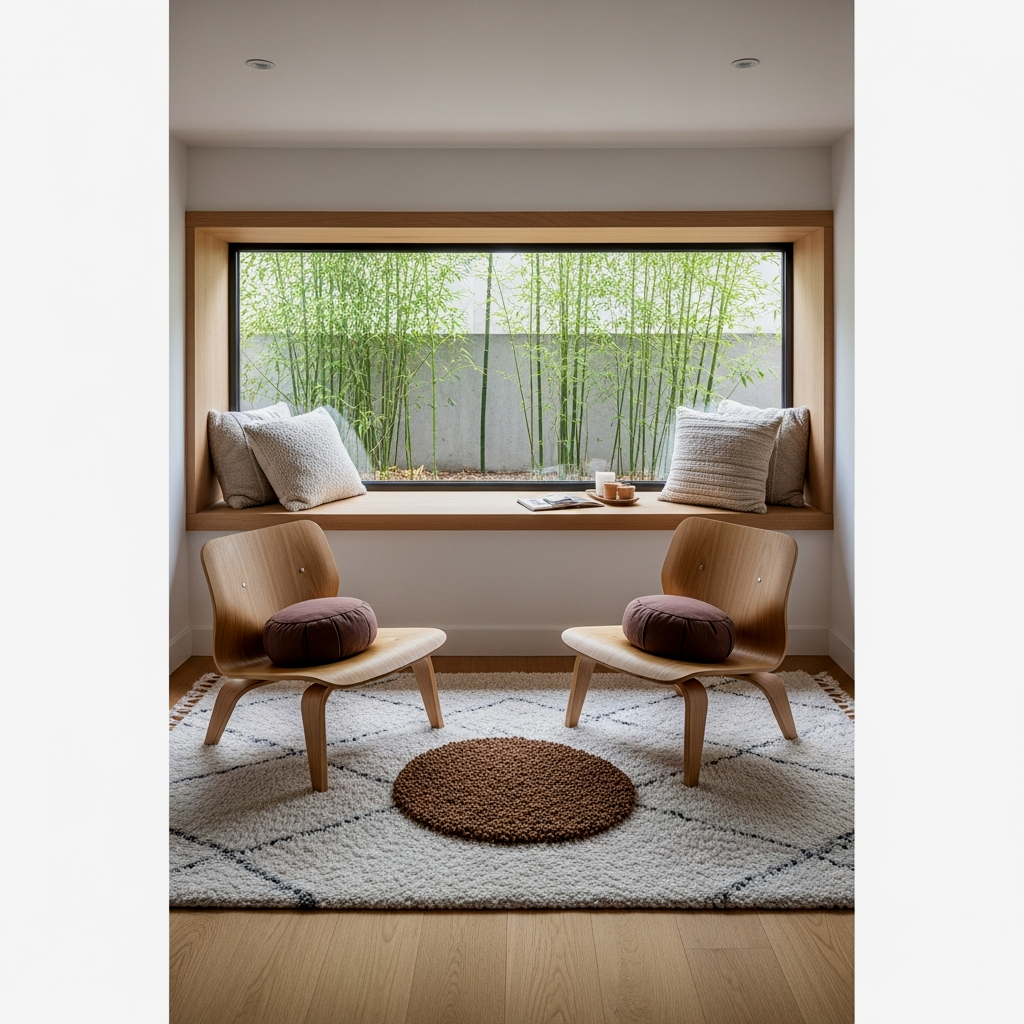
If you really want to lean into the Zen lifestyle, try floor seating. Zaisu chairs (Japanese legless chairs) are surprisingly comfortable and change the way you interact with your space. It makes the ceiling feel higher and the vibe much more casual and intimate.
Asymmetrical Balance: Masterful Wall Art Placement
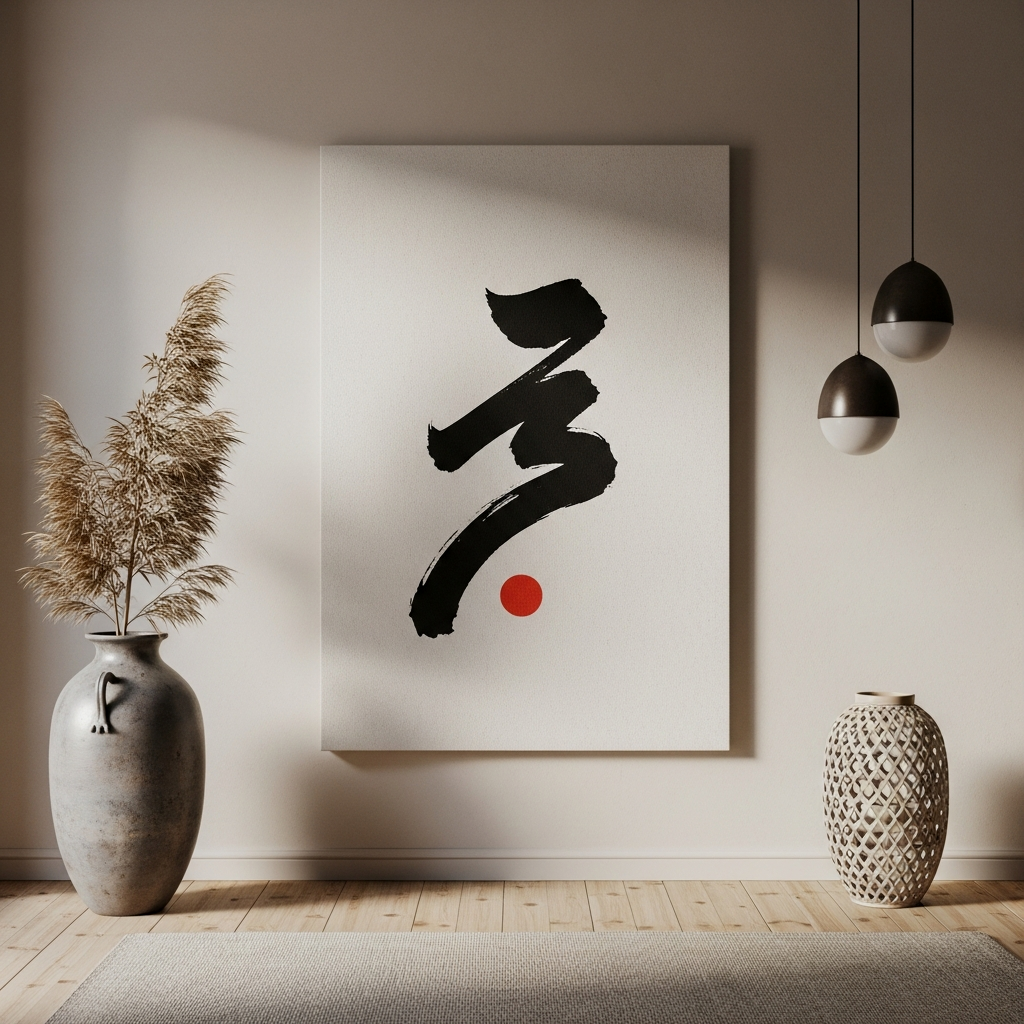
Avoid placing everything dead-center. Japandi thrives on asymmetrical balance. Try hanging a large piece of art off-center over a sideboard and balancing it with a tall branch on the opposite side. It feels more organic and less “staged.”
The Paper Sculpture: Statement Pendant Lighting
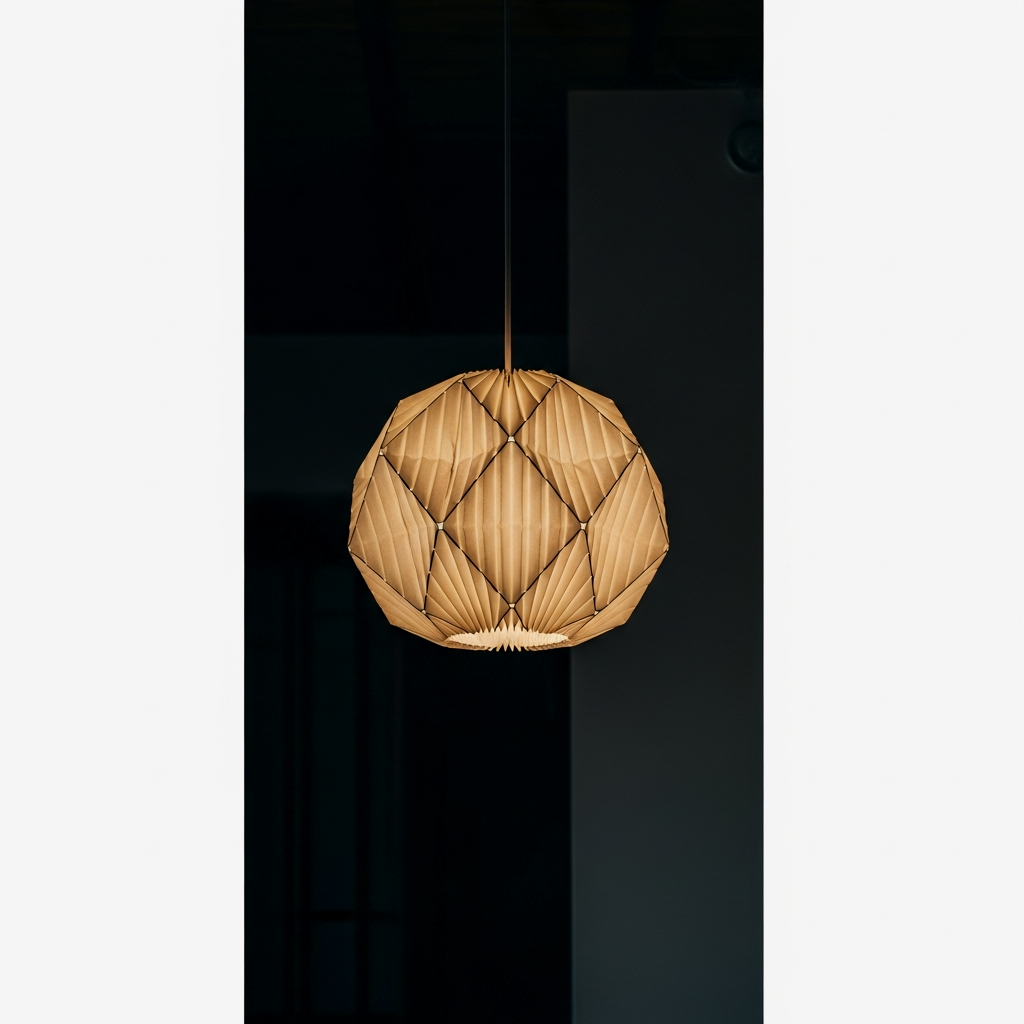
A large, oversized paper pendant light is basically a functional sculpture. It’s light enough to hang anywhere but creates a massive visual impact. This alone is worth it for the way it diffuses light throughout the entire room.
Soft Boundaries: Shoji-Inspired Sliding Room Dividers
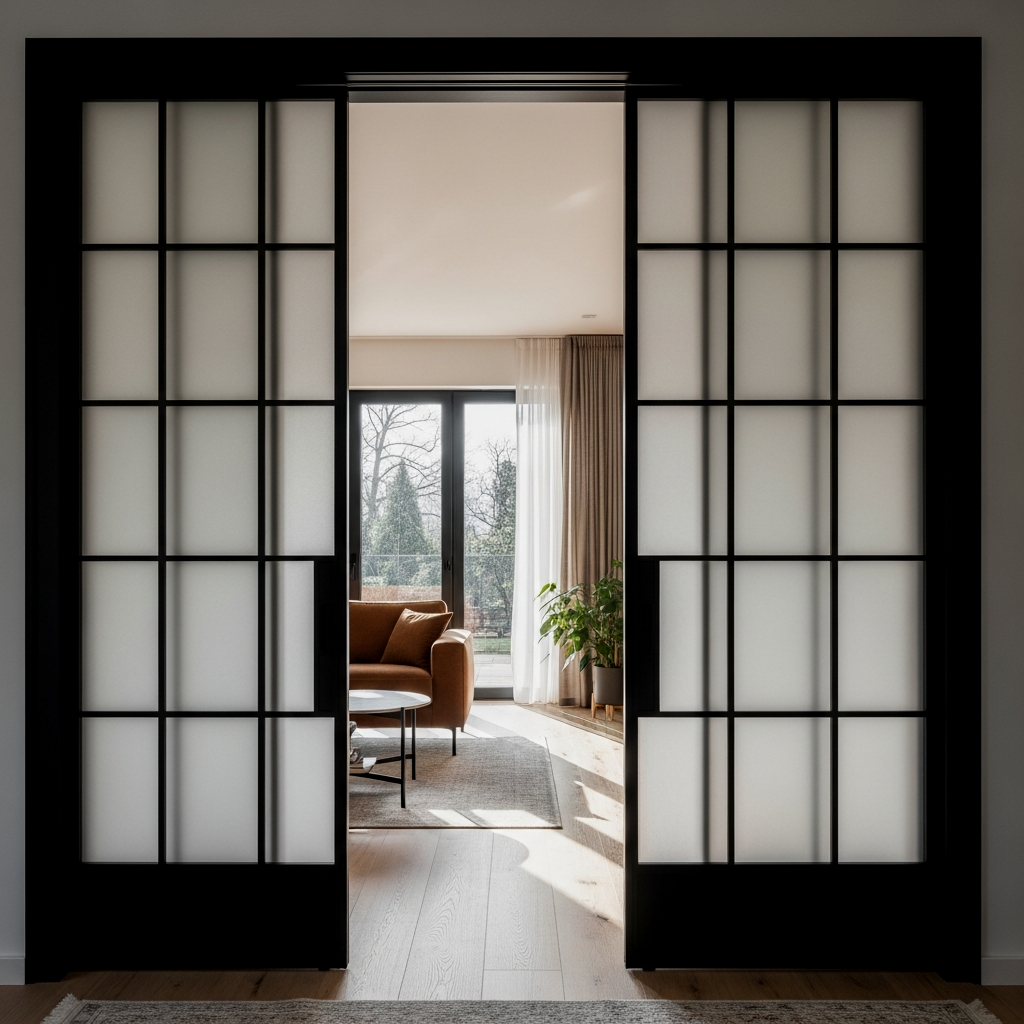
In an open-concept home, shoji-style screens are a lifesaver. They allow light to pass through while creating “zones” for working or relaxing. It’s the perfect solution for when you need a little privacy without closing yourself off in a dark room.
Layered Comfort: The Secret to Hygge-Japandi Warmth
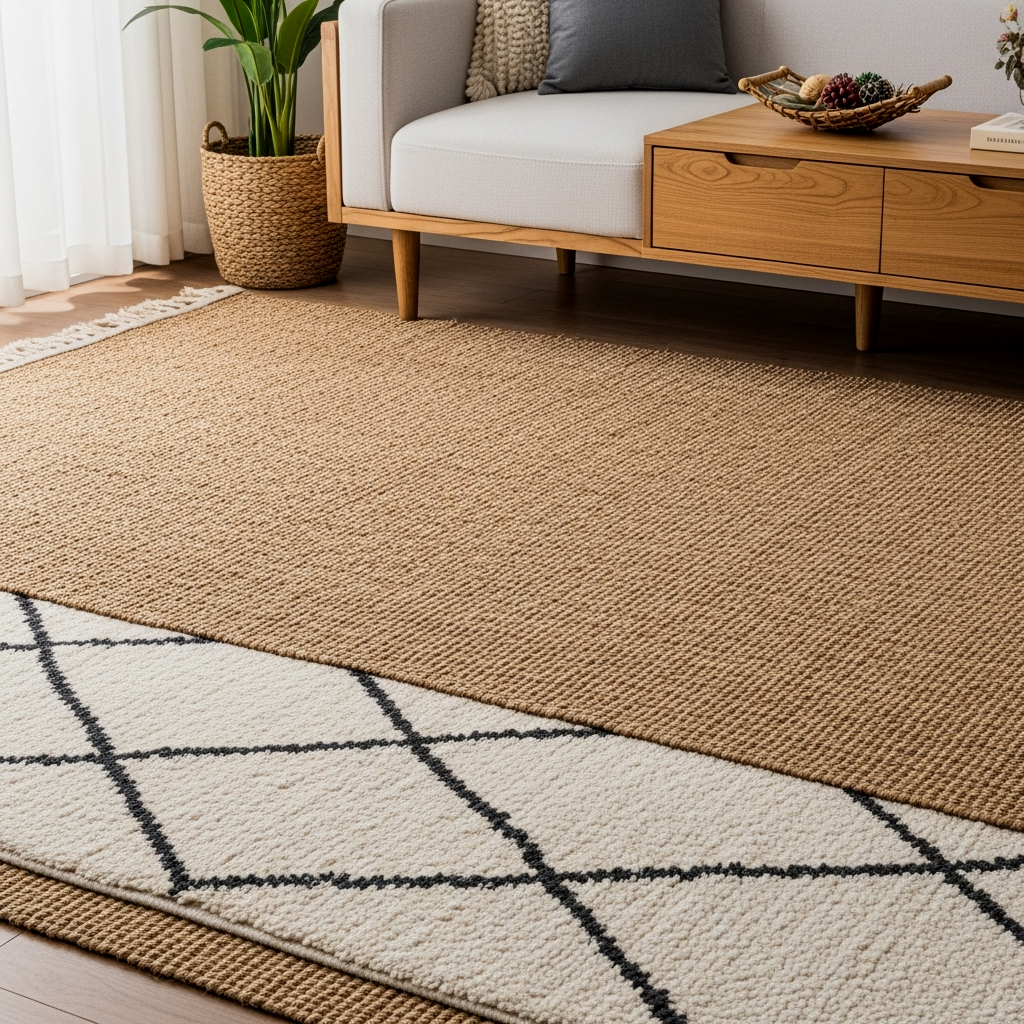
This is where the Scandi side takes the lead. Layering a chunky knit throw over a structured Japanese-style bench is the ultimate “chef’s kiss” for coziness. It’s about that tension between the clean line and the soft texture.
Organic Geometry: The Round Edge Movement
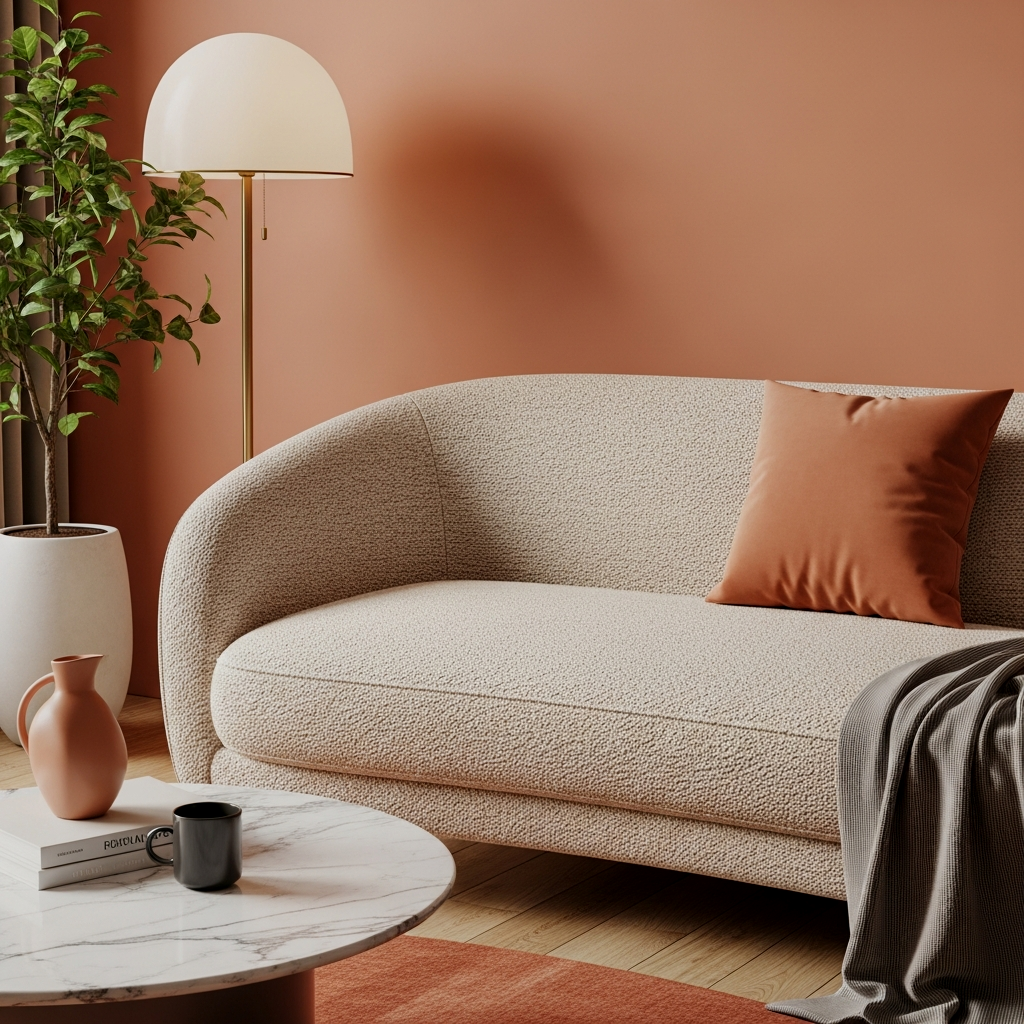
Move away from sharp, aggressive corners. Whether it’s a round dining table or a curved armchair, organic geometry makes the room feel much more fluid and peaceful. It’s a subtle shift, but the difference is unreal once you’re in the space.
The Meditation Nook: A Dedicated Space for Stillness
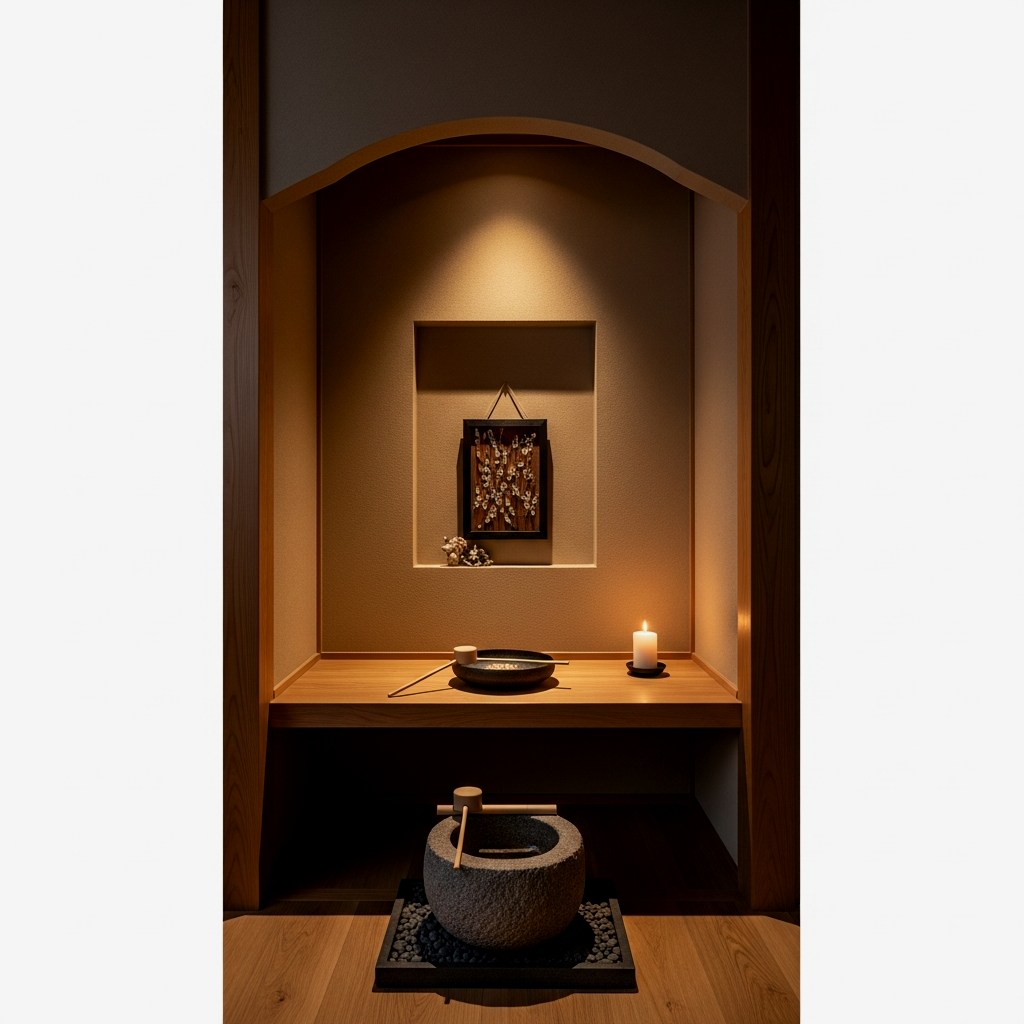
Even if it’s just a corner with a single cushion and a candle, having a dedicated space for stillness is the ultimate Japandi goal. It reminds you that your home is meant for living, not just for looking at.
Textile Harmony: Scandi Wool Meets Japanese Linen
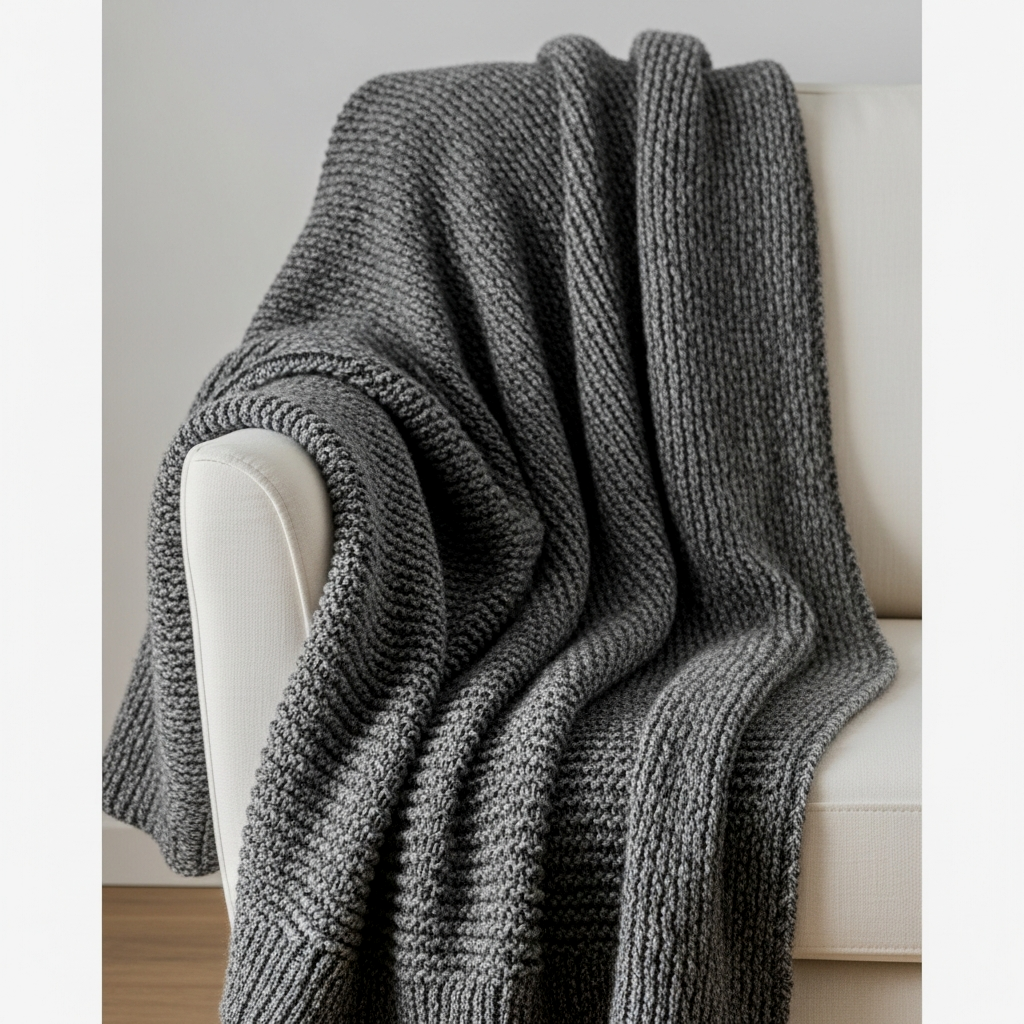
Mix your fabrics! A heavy wool rug paired with light linen curtains creates a “textile harmony” that feels sophisticated and expensive. These natural fibers breathe better and age more gracefully than anything synthetic.
Indoor-Outdoor Flow: The Engawa-Style Living Room
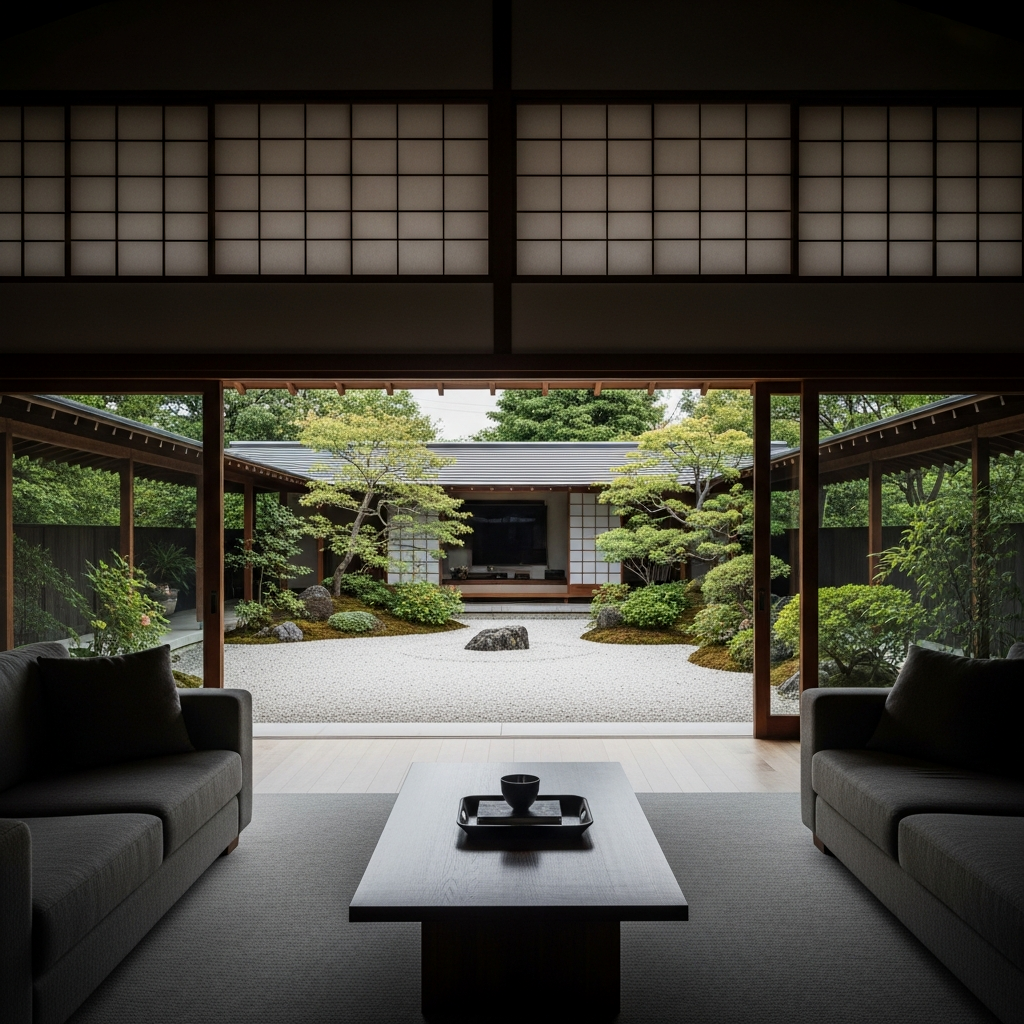
If you have a patio or balcony, try to align your indoor furniture with the outdoor space. Using similar materials inside and out blurs the lines and makes your living room feel like an extension of the garden.
Monochromatic Earth Tones: Mastering the ‘One Color’ Look
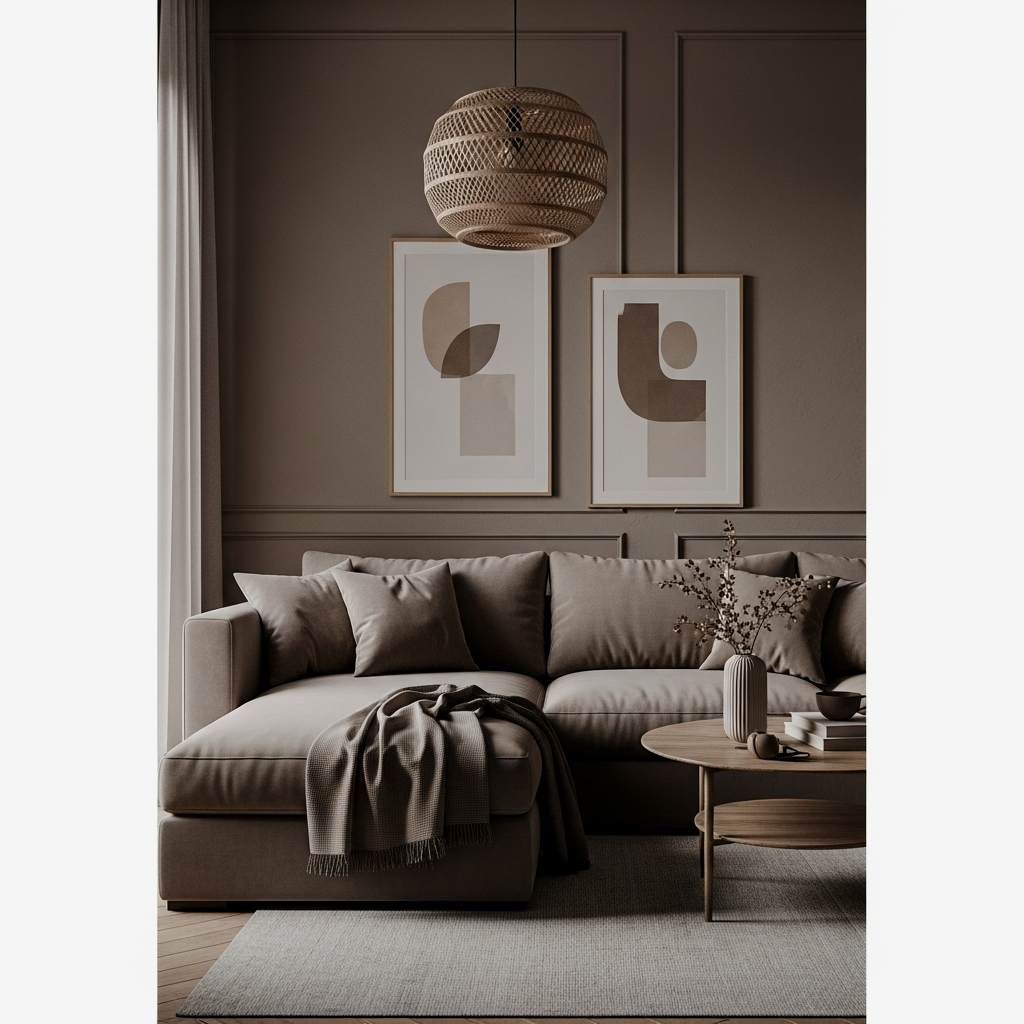
Try decorating using different shades of the exact same color—like five different tones of beige. It sounds boring, but in a Japandi space, it creates a “visual hum” that is incredibly soothing to the nervous system.
📏 25 Japandi Living Room Ideas to Finally Master the Art of Zen Minimalist Style Quick-Win Checklist
- Lower Your Layout: Choose furniture with a low center of gravity to open up vertical space.
- Filter the Light: Swap heavy drapes for sheer linen or bamboo to create a soft, zen glow.
- Introduce Earth: Add at least one “living” element, like an olive tree or a large stone bowl.
- Contrast Your Tones: Use black metal or charcoal accents to ground a light oak palette.
- Prioritize Texture: Ensure every surface has a tactile quality—nothing should feel “plastic.”
The Final Polish: Subtle Brass and Black Metal Accents
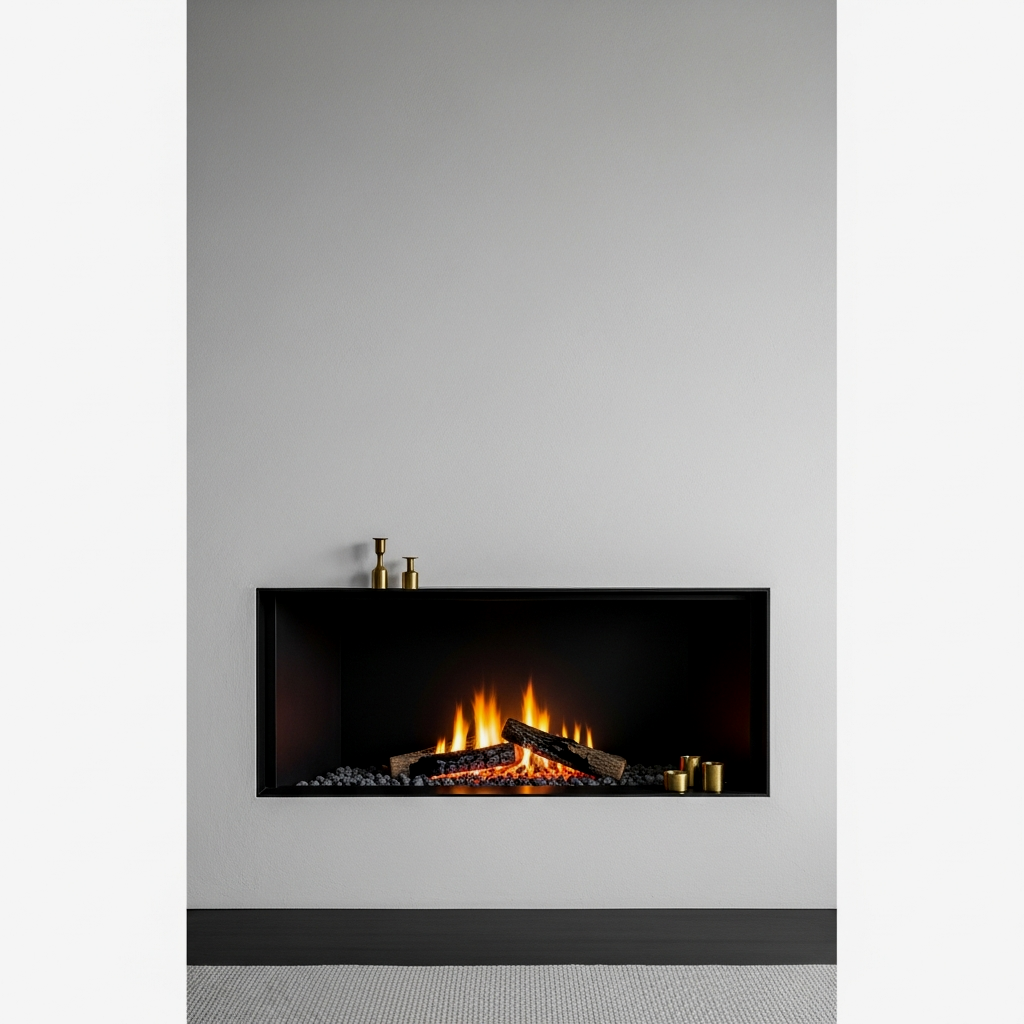
Don’t be afraid of a little metal. A thin brass tray or a matte black candle holder provides the final “polish” that makes the room feel finished. It’s the tiny details that take a room from “nice” to “genuinely life-changing.”
Creating a Japandi living room is a journey in editing. It’s about choosing pieces that you truly love and that serve a purpose, while leaving enough space for your mind to breathe. If you’re feeling inspired to keep going, I highly recommend checking out my deep dives on Japandi color palettes and zen lighting—they were the real game-changers for my home! You’ve got this, friend. Your sanctuary is waiting.
FAQ: Mastering Japandi Style
What is the main difference between Scandi and Japandi?
Scandi style focuses on “Hygge” or coziness through soft textures and light woods. Japanese style focuses on “Wabi-sabi” or finding beauty in imperfection and functional minimalism. Japandi is the marriage of both—warmth meeting structure.
Can I achieve a Japandi look on a budget?
Absolutely! Start by decluttering and focusing on natural materials. Swapping plastic items for wood or ceramic and changing your light bulbs to a warmer temperature makes a massive difference without a huge investment.
Is Japandi style good for families with kids?
Yes, because it prioritizes high-quality, durable natural materials. However, since the furniture is often low-profile, you’ll want to ensure you have enough hidden storage (like wooden trunks or baskets) to hide the inevitable toy clutter!
What colors are essential for Japandi?
Think of a “warm neutral” palette: cream, beige, oatmeal, and stone, accented by earthy tones like terracotta, sage green, and grounded by charcoal or black.
Why is low-profile furniture so important?
In Japanese culture, living closer to the floor is traditional and grounded. In modern design, it creates more “negative space” above the furniture, which makes your ceilings feel higher and your mind feel less cluttered.