11 Japandi Window Treatments for Soft Natural Light
I spent years agonizing over the perfect “greige” paint and sourcing the exact right low-profile sofa, only to realize my living room still felt slightly cold and unfinished. I couldn’t figure out why it didn’t have that “serene sanctuary” vibe I saw on my Pinterest boards until I realized I was making a massive mistake with my windows. I had these heavy, dark drapes that completely choked the room’s energy. If you are trying to nail those 25 Japandi Living Room Ideas to Finally Master the Art of Zen Minimalist Style, you have to realize that light is your most important furniture piece. Heavy velvet or ornate patterns are a total dealbreaker for this aesthetic; they weigh down the room when you should be aiming for airiness.
✨ Before You Start: 11 Japandi Window Treatments for the Perfect Soft Natural Light Mindset
I used to think curtains didn’t matter, but the difference is unreal once you switch to a more intentional approach. It’s all about creating that soft-focus look that makes every afternoon feel like a slow Sunday. Let’s get into the specific window treatments that will actually transform your space.
Floor-to-Ceiling Sheer Linens
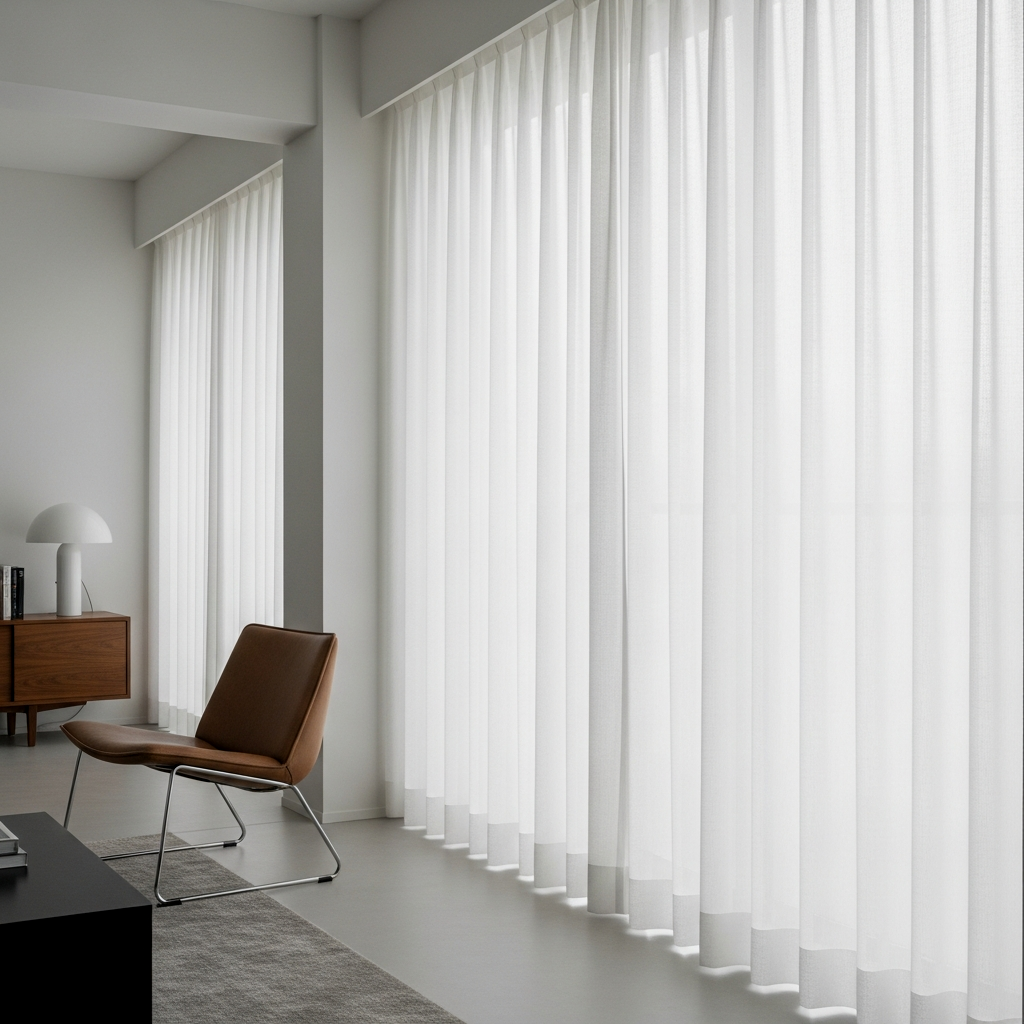
No seriously, if you do nothing else, do this. When you hang sheer linen panels from the very top of the wall all the way to the floor, it creates a continuous vertical line that makes your ceilings feel miles high. **Genuinely life-changing** for smaller rooms. The way the light catches the tiny imperfections in the linen weave is pure magic—it’s that perfectly imperfect wabi-sabi vibe we are all chasing.
Layered Bamboo Blinds and Drapes
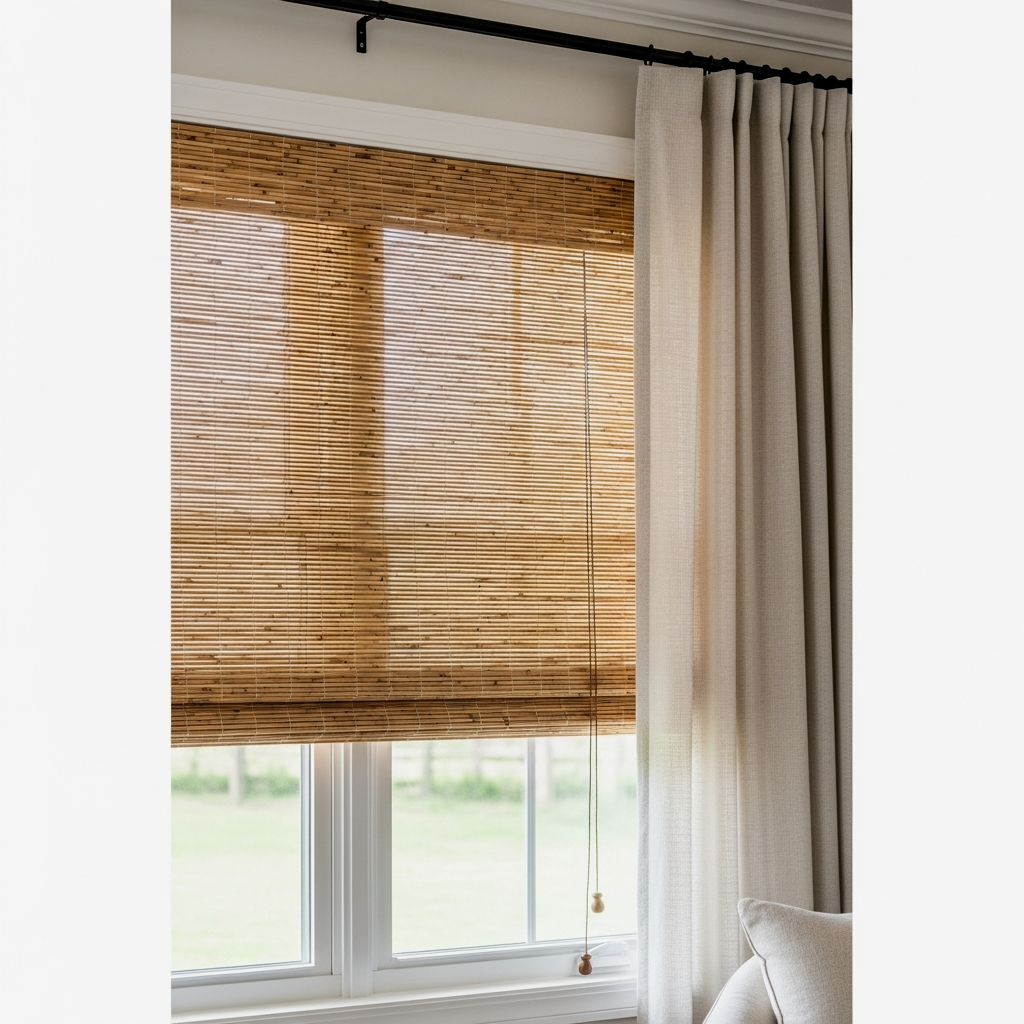
If you feel like your room is looking a little “flat,” layering is the answer. Adding a textured bamboo blind underneath a light-colored linen drape adds so much depth and warmth. **This is the one** if you need privacy but don’t want to sacrifice that organic, earthy feeling. It’s the ultimate mix of Japanese texture and Scandinavian coziness.
The Matte Black Curtain Rod Detail
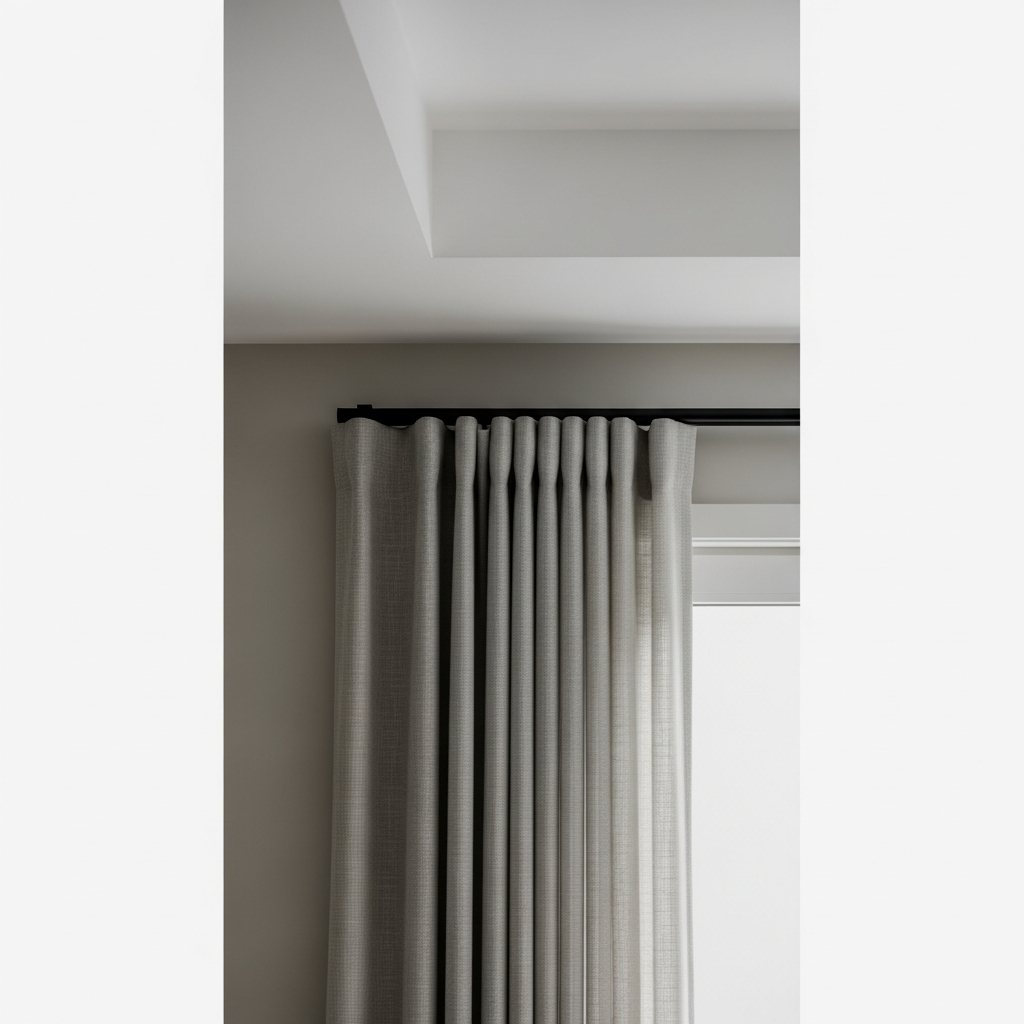
You might be tempted to go with brass or silver, but **trust me on this one**, go for the matte black curtain rod. It provides just enough of a sharp, modern “ink” line to ground all those soft whites and creams. It’s like a thin stroke of calligraphy across your wall. It keeps the room from looking too washed out and adds that essential Scandi-cool edge.
The “High and Wide” Rule: Always mount your curtain rod 6-10 inches above the window frame and extend it 8-12 inches past the sides. This allows the fabric to frame the window without blocking any precious natural light when open.
Washi Paper Inspired Blinds
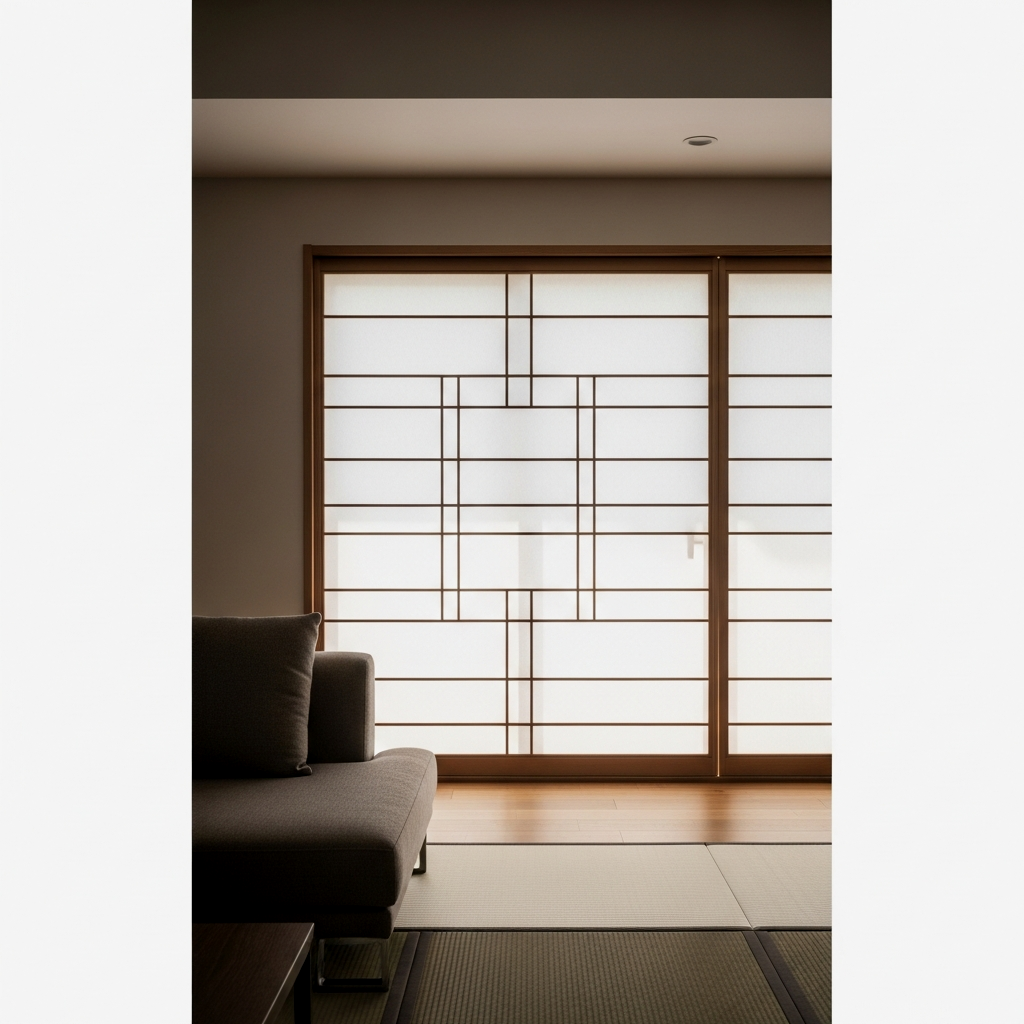
I am absolutely **obsessed** with the way Washi paper-style blinds diffuse light. They take harsh, direct sunlight and turn it into a soft, milky glow that feels incredibly peaceful. It’s a very literal nod to Japanese interiors, but in a modern Japandi home, it acts as a giant light box that makes everything—and everyone—look better.
Double-Layered Sheer Panels
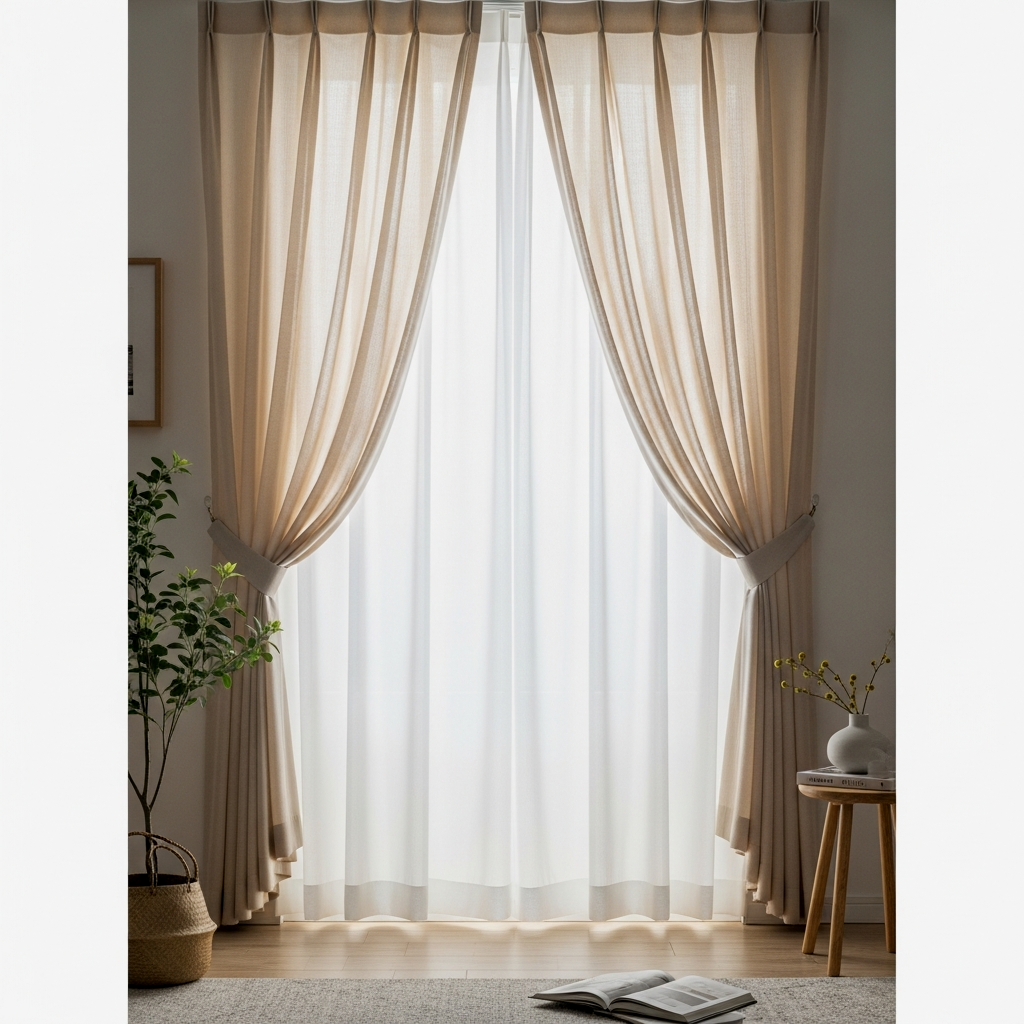
This is the **best kept secret** for those who live in busy neighborhoods. By layering two different weights of sheer fabric, you get total privacy during the day, but the light still pours in. It creates a hazy, ethereal effect that feels very high-end boutique hotel. I was not prepared for how good this looks until I tried it in my own living room.
Natural Jute Roller Shades
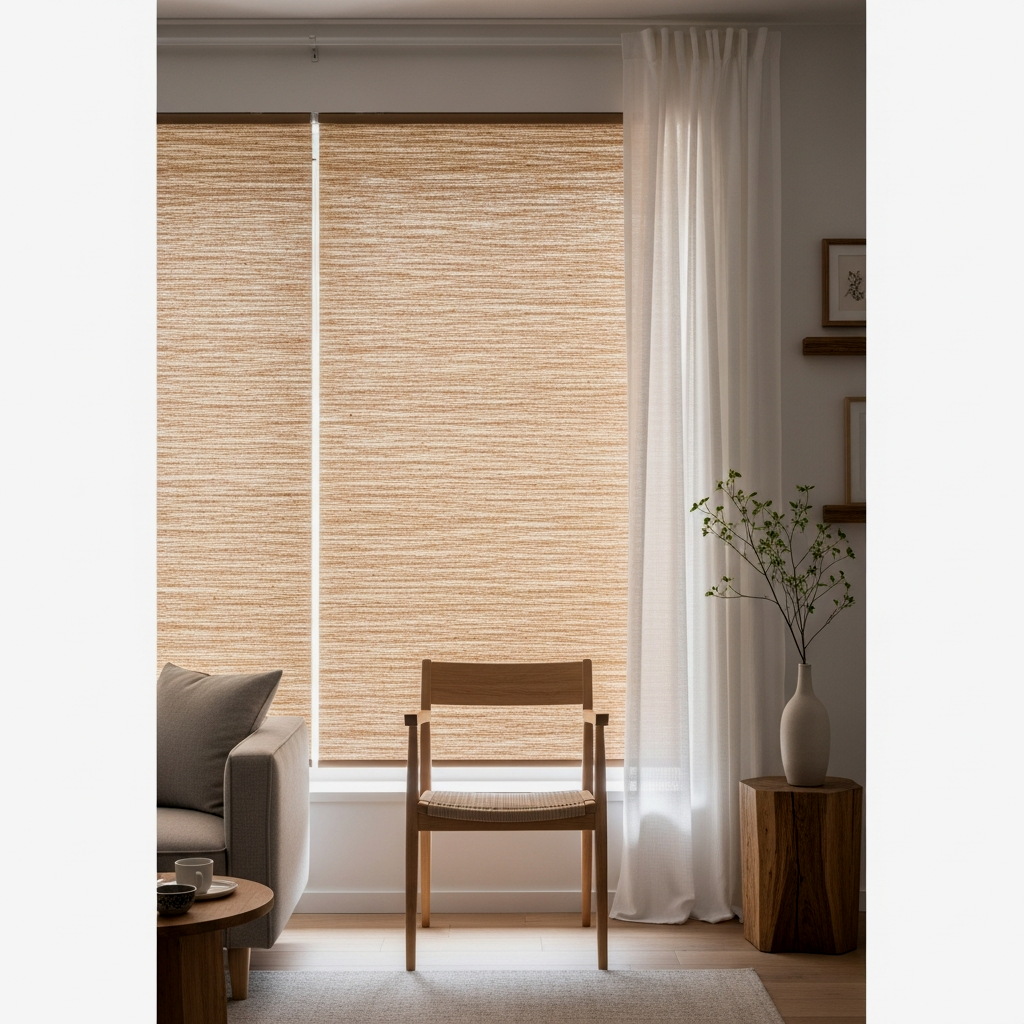
For a more structured look that still feels organic, natural jute roller shades are incredible. They have a heavier “crunchy” texture than linen, which pairs perfectly with smooth oak furniture. They bring an element of the outdoors in, which is a core pillar of the Japandi philosophy.
Recessed Ceiling Tracks
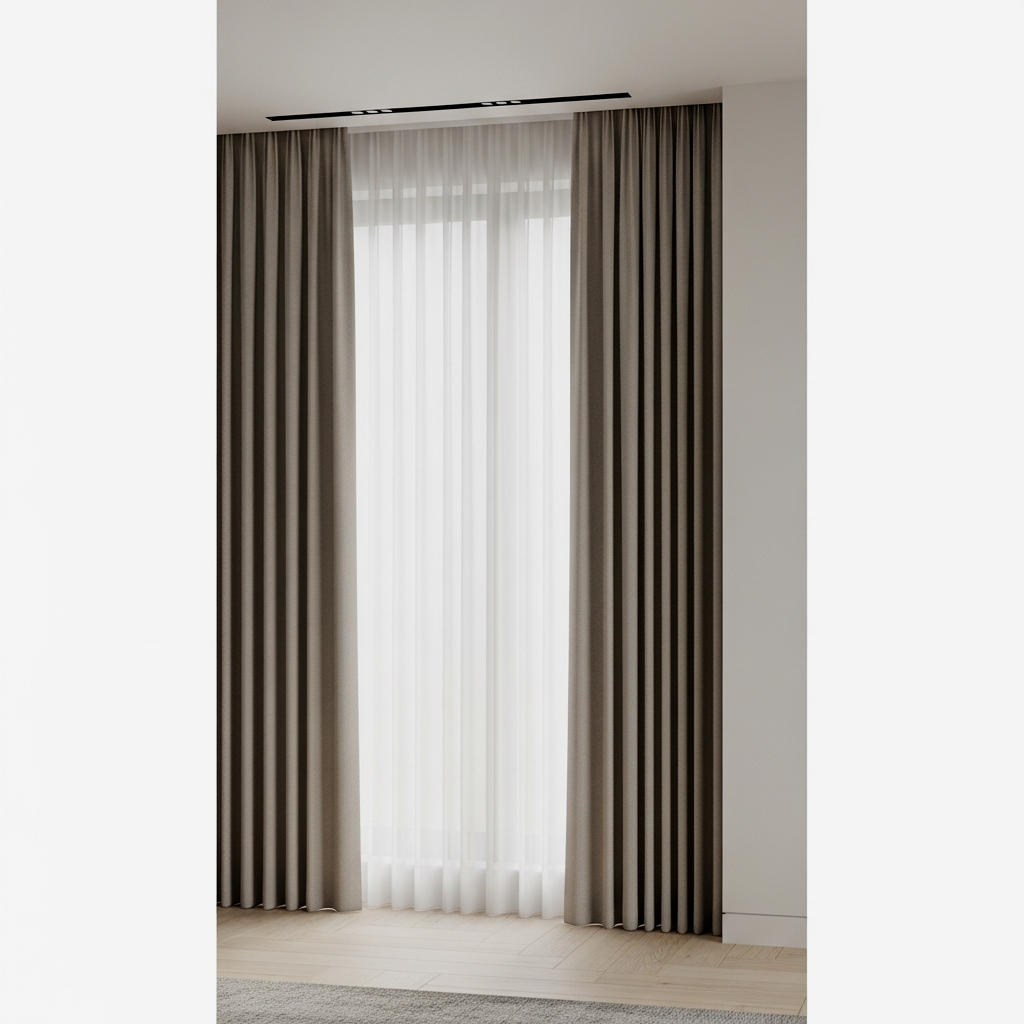
If you want that ultra-minimalist, “is it even there?” look, recessed ceiling tracks are the way to go. **This changed everything for me** because it hides the hardware entirely. The fabric literally looks like it’s growing out of the architecture. It’s clean, sophisticated, and removes all visual clutter from the top of the room.
The exact pieces that make these ideas work:
Earthy Hemp Fabric Drapes
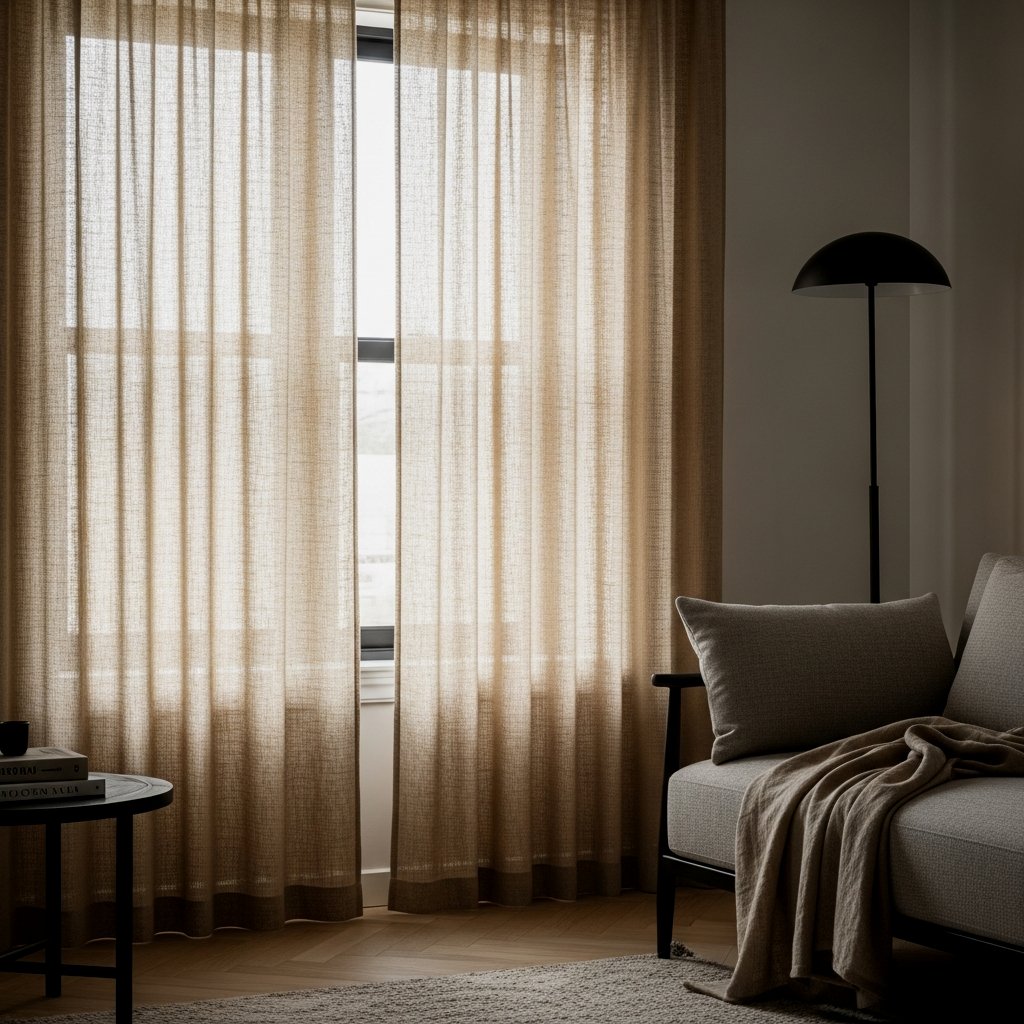
Hemp has a slightly more “raw” and weighted feel than linen, and **you will not regret this** if you want a bit more insulation. It drapes beautifully and has a natural, oatmeal-colored hue that is basically the official color of Japandi design. It feels substantial without feeling “heavy.”
Linen Roman Shades
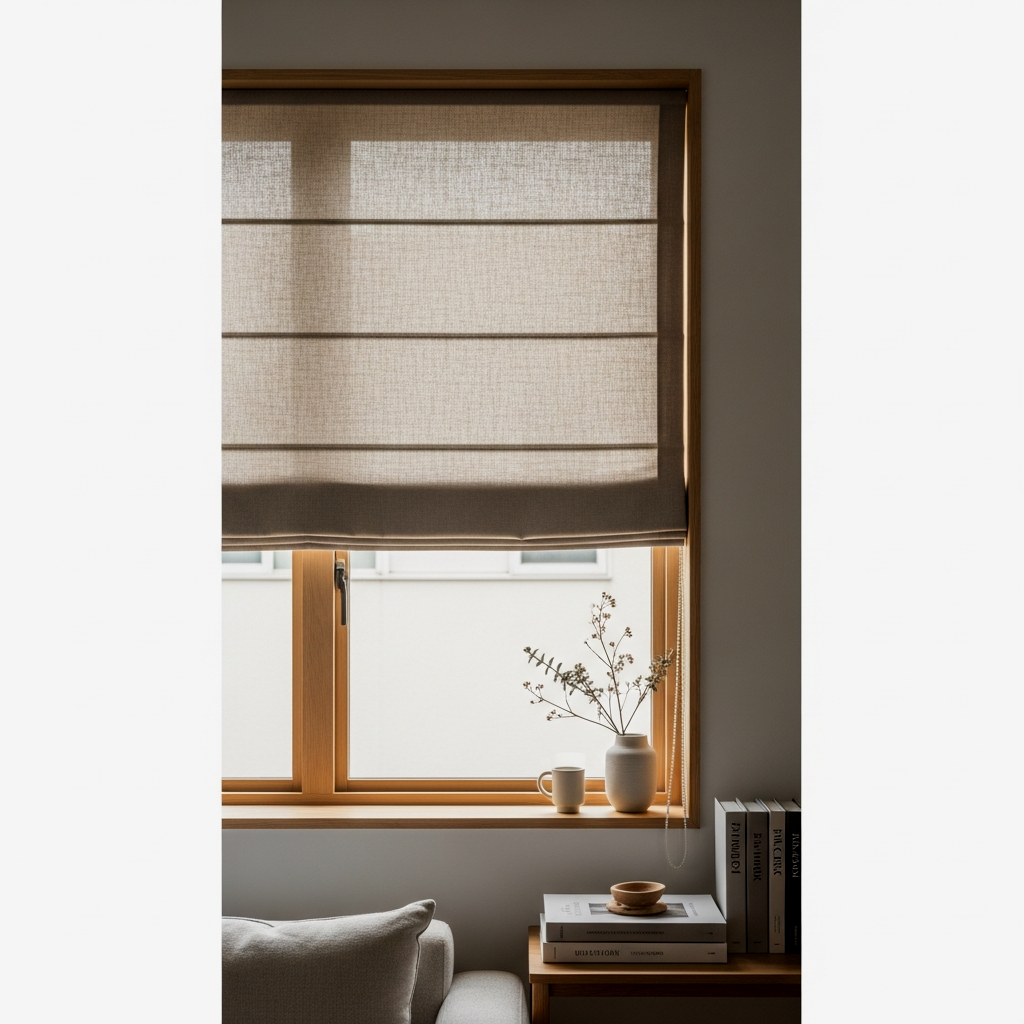
Sometimes long curtains just don’t work for a specific window, and that’s where linen Roman shades come in. They offer a clean, tailored look while keeping that soft fabric texture. Choose a “relaxed” fold rather than a stiff, structured one to keep the vibe casual and inviting.
Soft-Focus Light Filtration
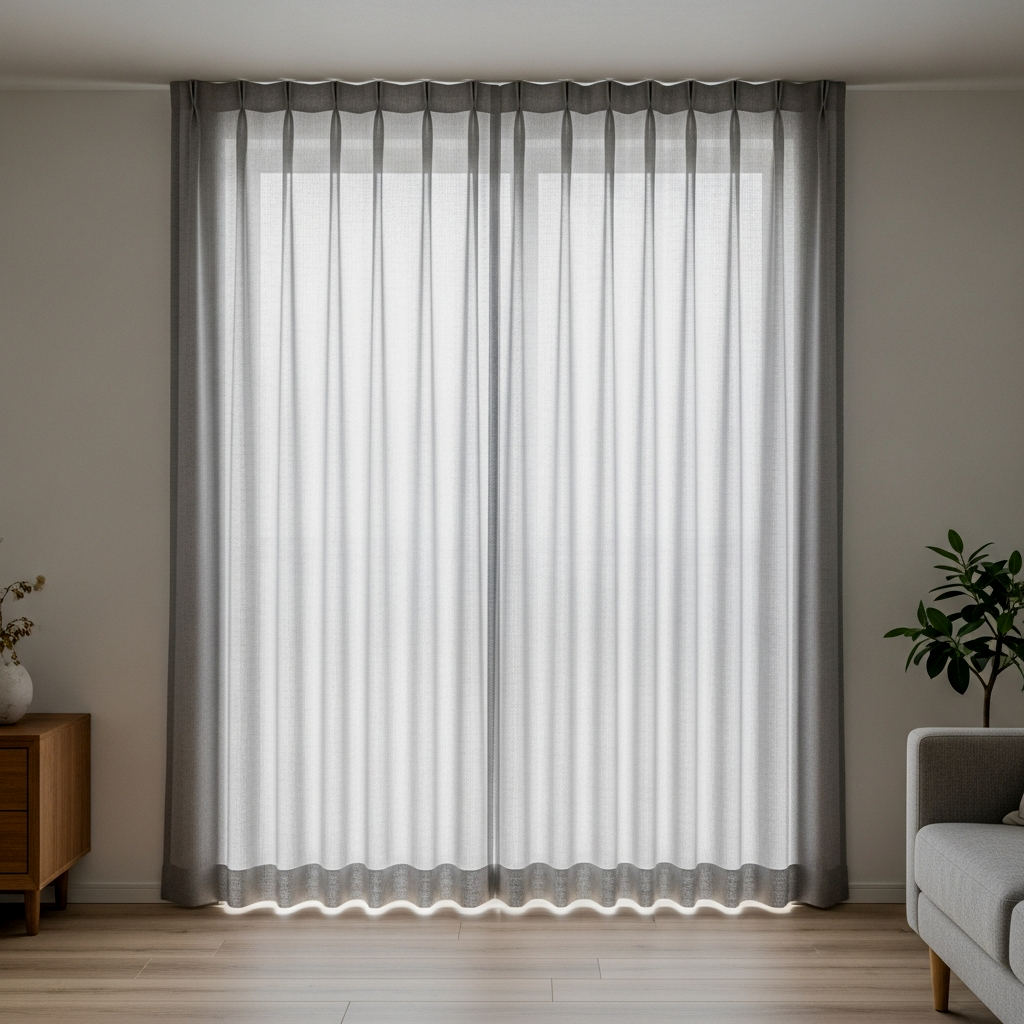
**I cannot stress this enough**: the goal isn’t just to cover the window, it’s to manipulate the light. When selecting your fabrics, hold them up to the light in the store. You want a material that scatters the rays rather than letting them pass through in sharp lines. This “soft-focus” effect is what gives Japandi homes that dreamlike quality.
Modern Slatted Wood Screens
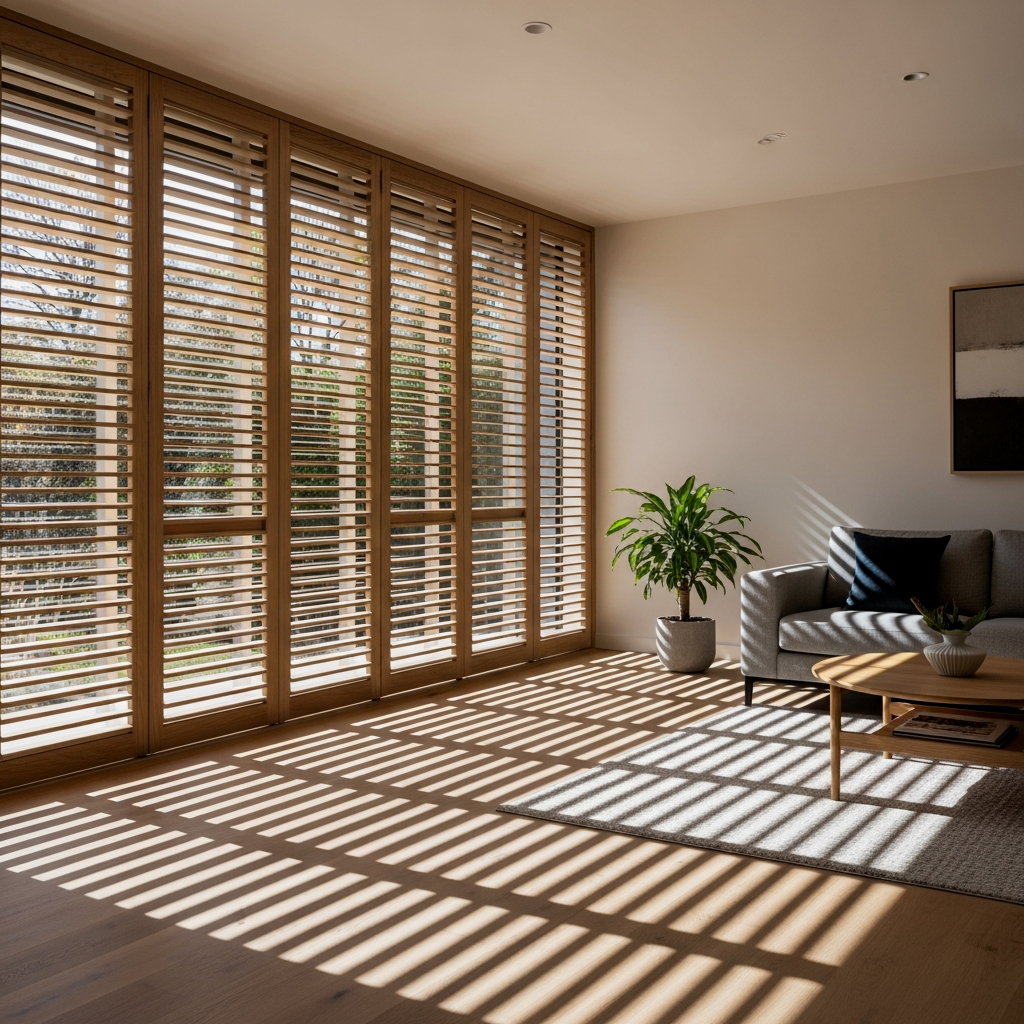
**Do not sleep on this** as a window treatment alternative. Instead of fabric, using fixed or sliding slatted wood screens (shoji-inspired but modern) creates incredible shadows throughout the day. It adds a rhythmic, architectural element to your room that drapes just can’t match.
To get that high-end “puddled” look without the mess, buy curtains that are exactly 2 inches longer than the floor-to-rod measurement. After hanging, use a handheld steamer to relax the fibers—this allows the linen to “break” perfectly at the floor line for a soft, lived-in feel. If they look too stiff, they aren’t Japandi!
📏 11 Japandi Window Treatments for the Perfect Soft Natural Light Quick-Win Checklist
- Go Floor-to-Ceiling: Lengthen your walls and maximize the “flow.”
- Stick to Neutrals: Stick to oatmeal, sand, bone, and soft grey.
- Prioritize Natural Fibers: Linen, hemp, jute, and paper are non-negotiable.
- Add Contrast: Use matte black hardware to ground the soft textures.
- Filter, Don’t Block: Ensure your shades still allow a “glow” when closed.
Once you get your window treatments right, you’ll find that the rest of your decor just falls into place. It’s the backdrop that makes your minimalist furniture shine. If you’re feeling inspired to keep going, check out my full guide on 25 Japandi Living Room Ideas to Finally Master the Art of Zen Minimalist Style for the full picture. **The results speak for themselves**—you’re going to love coming home to this much peace.
FAQ: Japandi Window Treatments
What are the best colors for Japandi curtains?
Stick to a palette inspired by nature. Think unbleached linen, warm oatmeal, soft sand, and very pale greys. Avoid stark white, as it can feel a bit too sterile and clinical for the cozy “Scandi” side of Japandi.
Can I use blinds instead of curtains in a Japandi room?
Absolutely! Natural wood or bamboo blinds are a staple of the look. The key is to avoid plastic or faux-wood blinds that look “shiny.” You want matte, natural textures that look like they could have been handmade.
How do I achieve privacy without blocking the light?
Sheer linen is your best friend here. If you need more coverage, try the double-layered sheer method or a light-filtering woven wood shade. These allow you to see out and let light in while preventing anyone from seeing in.
Should Japandi curtains touch the floor?
Yes, they should at least graze the floor. For a more relaxed, “wabi-sabi” look, let them “break” or puddle by about 1-2 inches. Curtains that stop a few inches above the floor look dated and break the visual height of the room.
Is it okay to use black hardware in a Japandi home?
Yes, in fact, it’s encouraged! Matte black hardware provides a beautiful contrast to the soft, light fabrics and mimics the look of traditional Japanese ironwork or ink wash paintings.