12 Japandi Living Room Lighting Ideas
I have a confession: for years, I lived with what I call “The Interrogation Light.” You know the one—that single, harsh overhead fixture that makes your beautiful furniture look flat and your skin look like you haven’t slept since 2014. It’s the ultimate vibe-killer. When you’re trying to nail down those 25 Japandi living room ideas to finally master the art of zen minimalist style, the lighting is actually the most important piece of the puzzle. Honestly, I was not prepared for how good this looks until I swapped my basic floor lamp for an oversized paper lantern. We are focusing on soft, diffused light here, because that cold, hospital-grade ceiling light is the enemy of zen.
The magic of Japandi—that gorgeous hybrid of Japanese functionalism and Scandinavian hygge—lives and dies by its glow. If your room feels “off” or uninviting once the sun goes down, it’s probably because your light isn’t working hard enough for you. This alone is worth it for anyone struggling with a room that feels “flat.” By mixing specific textures like Akari-style lamps, bamboo weaves, and matte black sconces for contrast, you can transform a sterile space into a sanctuary.
✨ Before You Start: 12 Japandi Lighting Ideas: The Best Kept Secret to a Truly Cozy Glow Mindset
The Oversized Akari-Style Lantern
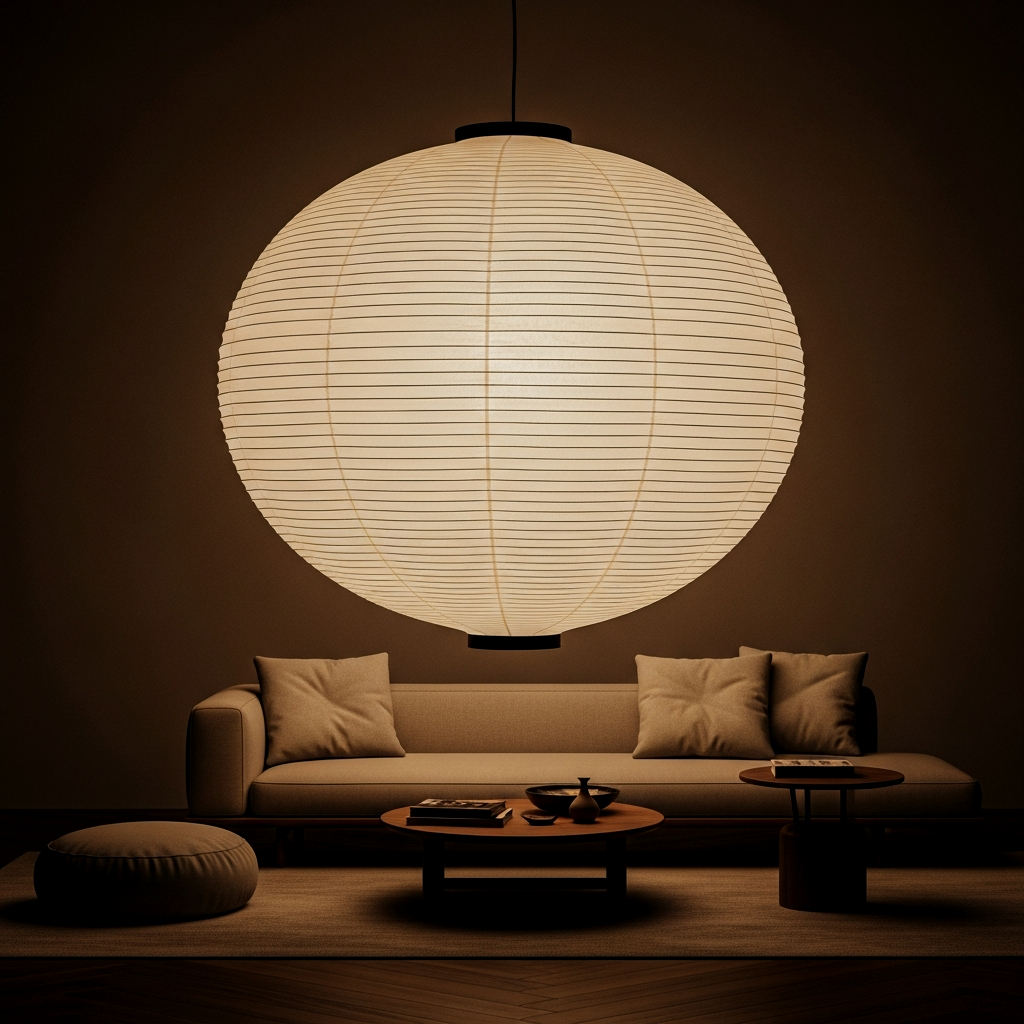
If you only do one thing from this list, let it be this. This is the one that defines the entire aesthetic. There is something almost spiritual about the way light filters through washi paper. It doesn’t just illuminate the room; it bathes it in a soft, ethereal cloud. Whether you hang a massive globe over your coffee table or sit a floor-standing version in a corner, it immediately anchors the space with that iconic Japanese minimalist soul.
Intricate Bamboo Pendant Weaves
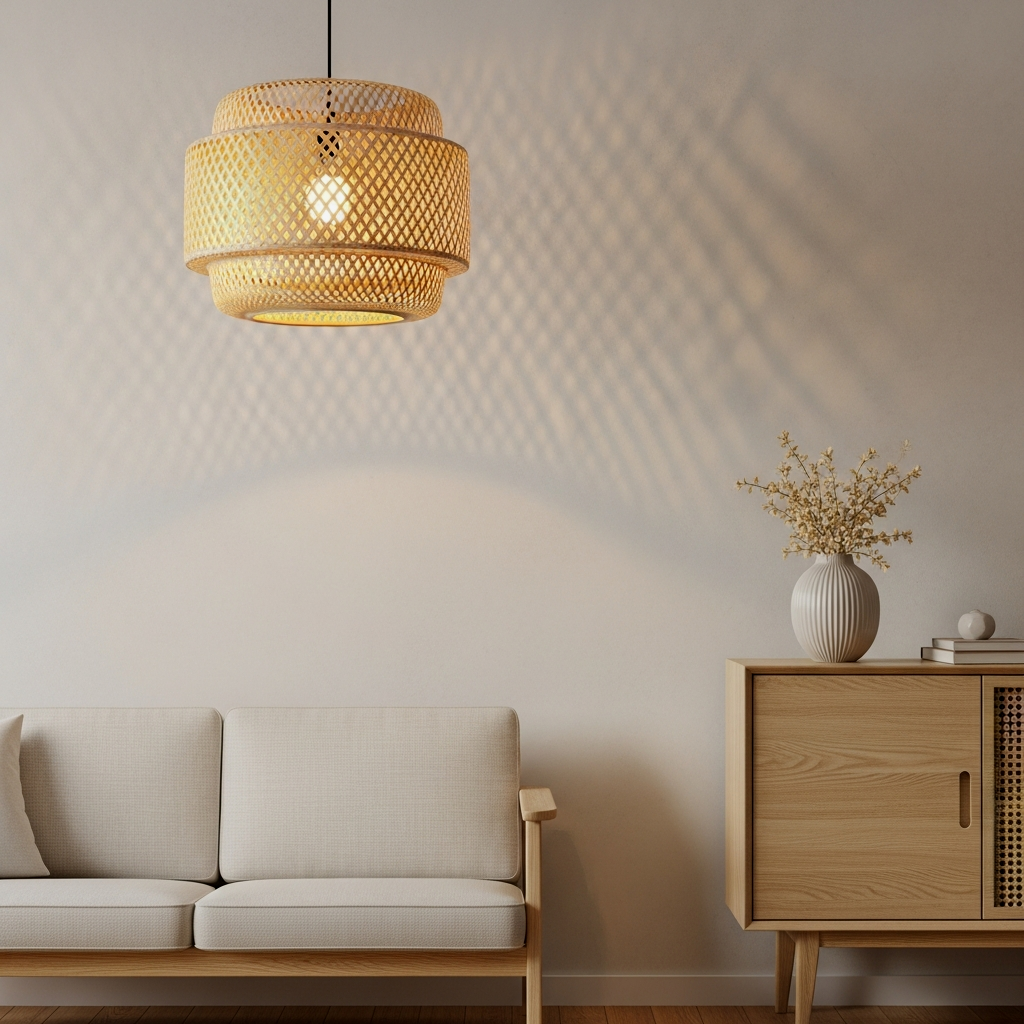
I love these because they bring in a massive dose of texture without feeling heavy. Bamboo pendants with a tighter weave cast the most incredible shadows on the ceiling and walls at night. It’s like living inside a piece of art. It adds that “hand-crafted” element that is so essential to Scandi-Japanese fusion, making your home feel curated rather than just “decorated.”
Architectural Matte Black Sconces
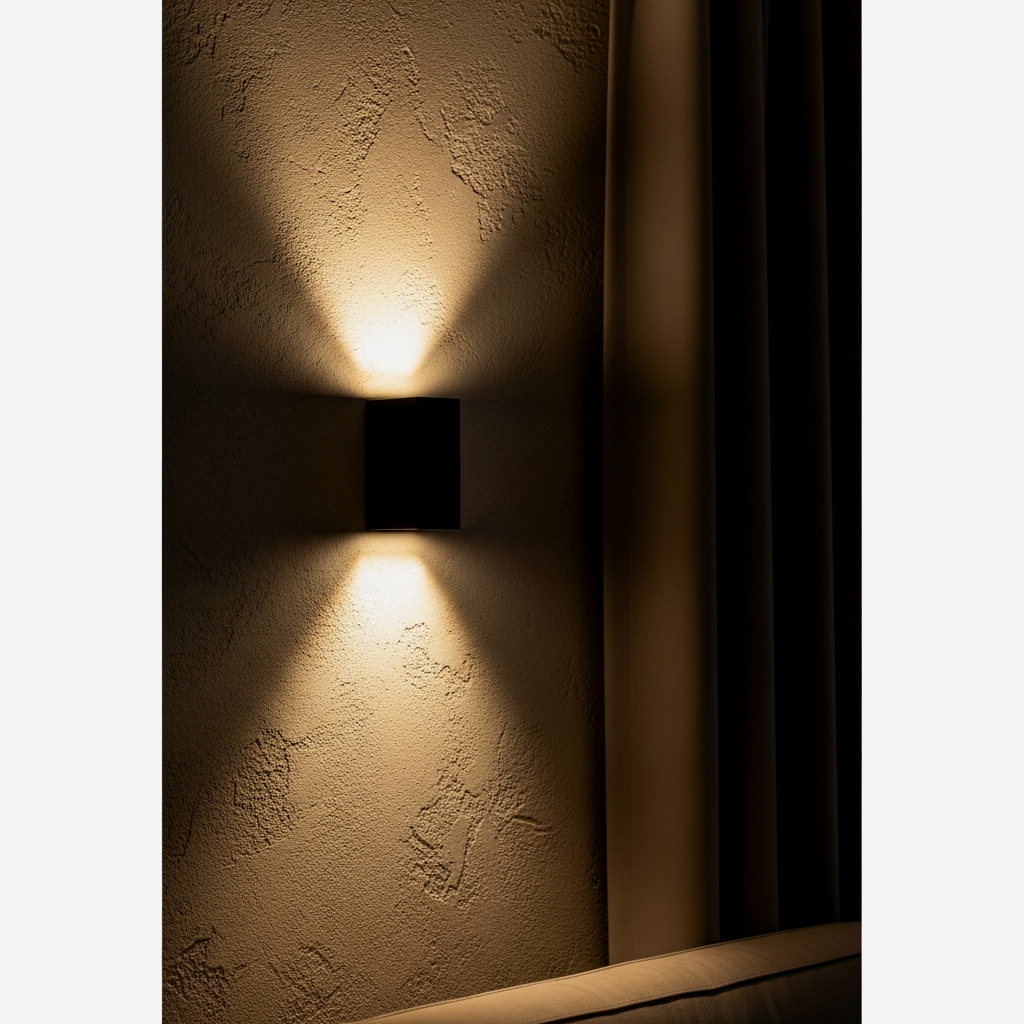
This is where the “Scandinavian” part of Japandi really shines. To keep your room from looking too “beige,” you need a bit of grounding contrast. The difference is unreal when you add a sleek, matte black swing-arm sconce against a light oak or plaster wall. It provides that sharp, modern edge that keeps the natural materials from feeling too rustic or dated.
Always use the “Rule of Three Heights” for your lighting. To avoid a flat look, ensure you have light sources at the ceiling (pendant), at eye level (sconce or floor lamp), and at table level (small lamp). This creates a vertical rhythm that draws the eye around the room.
Textured Linen Floor Lamps
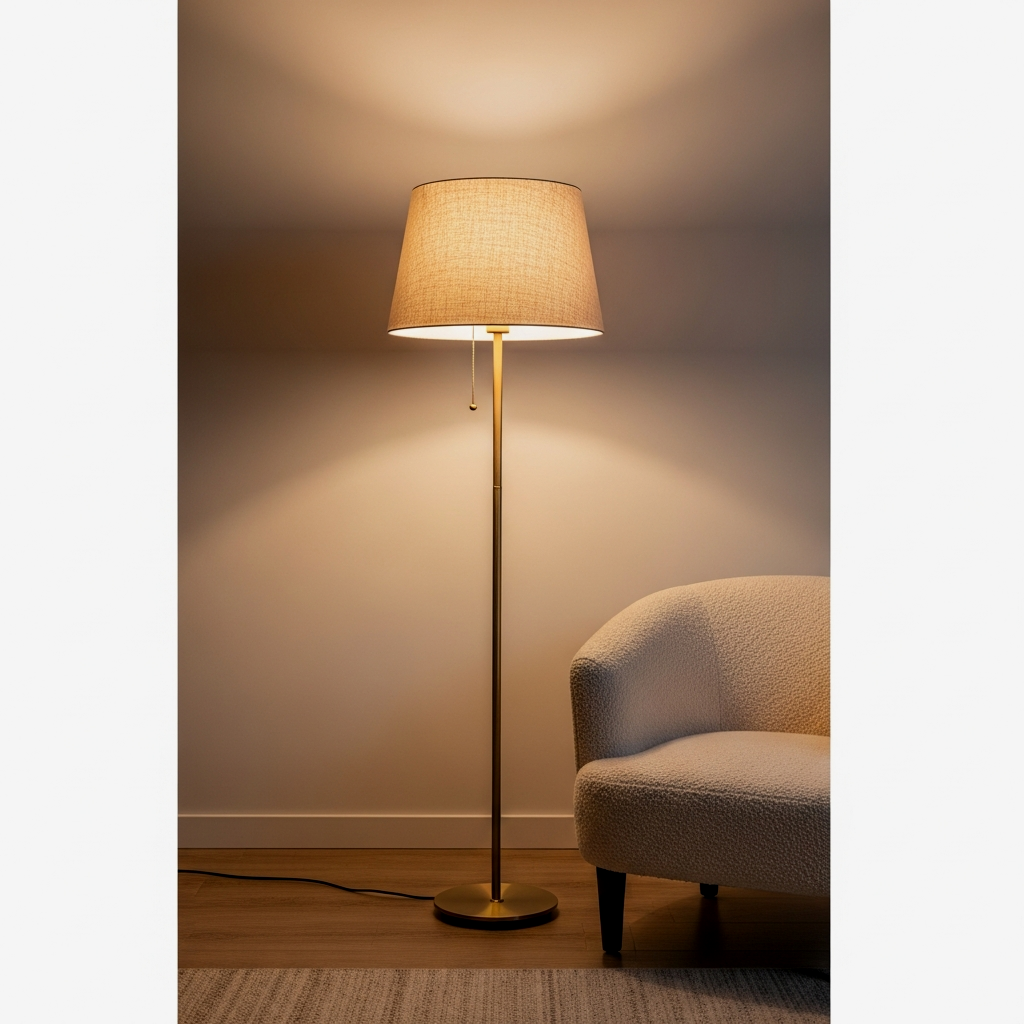
Linen is the best kept secret for creating a cozy glow that feels expensive but approachable. A tall, cylindrical floor lamp wrapped in high-quality oatmeal linen adds a tactile warmth that plastic or metal shades just can’t touch. It’s the visual equivalent of a cashmere blanket. When it’s lit, you can see the natural slubs in the fabric, which adds so much character to a minimalist room.
Low-Slung Ceramic Pendants
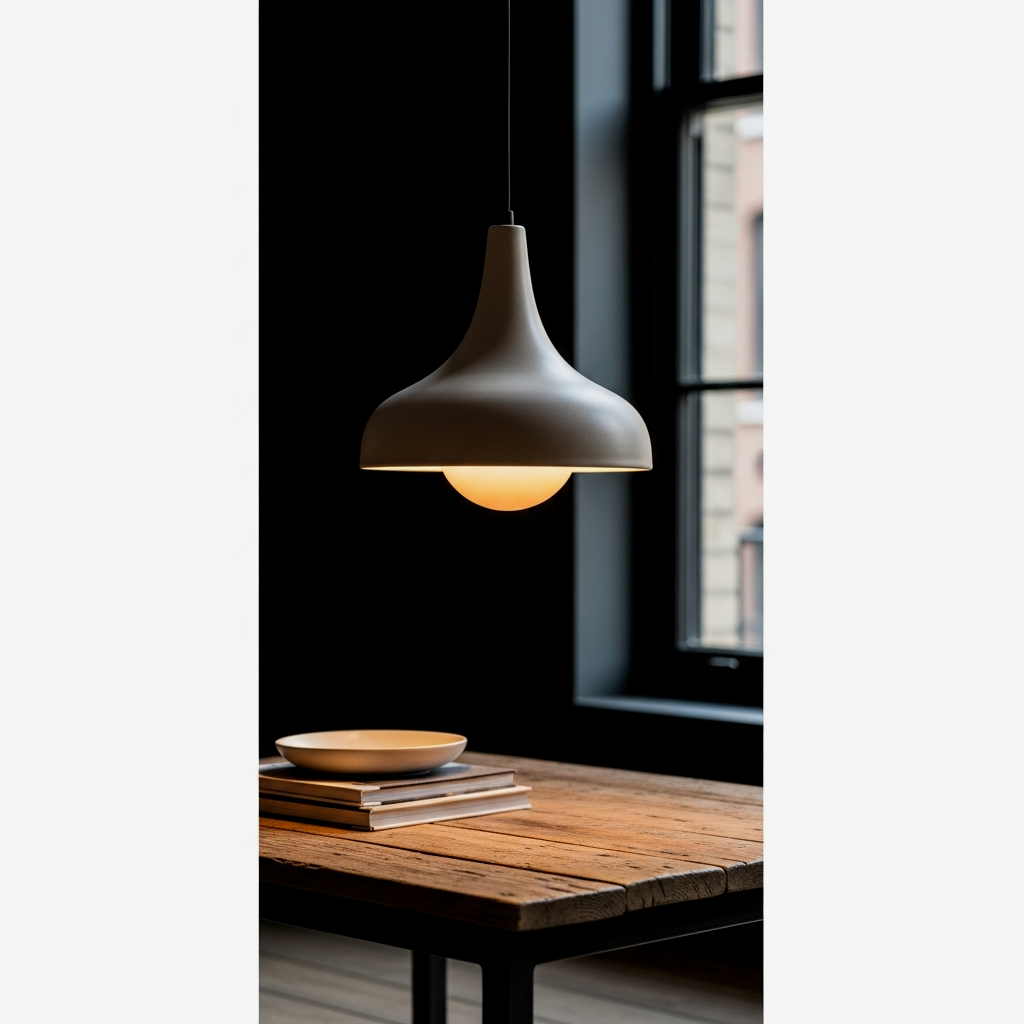
Trust me on this one: hang your pendants lower than you think you should. In Japandi design, intimacy is key. A heavy, earthy ceramic pendant hung low over a side table or a dining nook creates a “pool” of light that feels incredibly private and intentional. It draws people in and makes the seating area feel like its own little island of calm.
The Pleated Paper Table Lighting
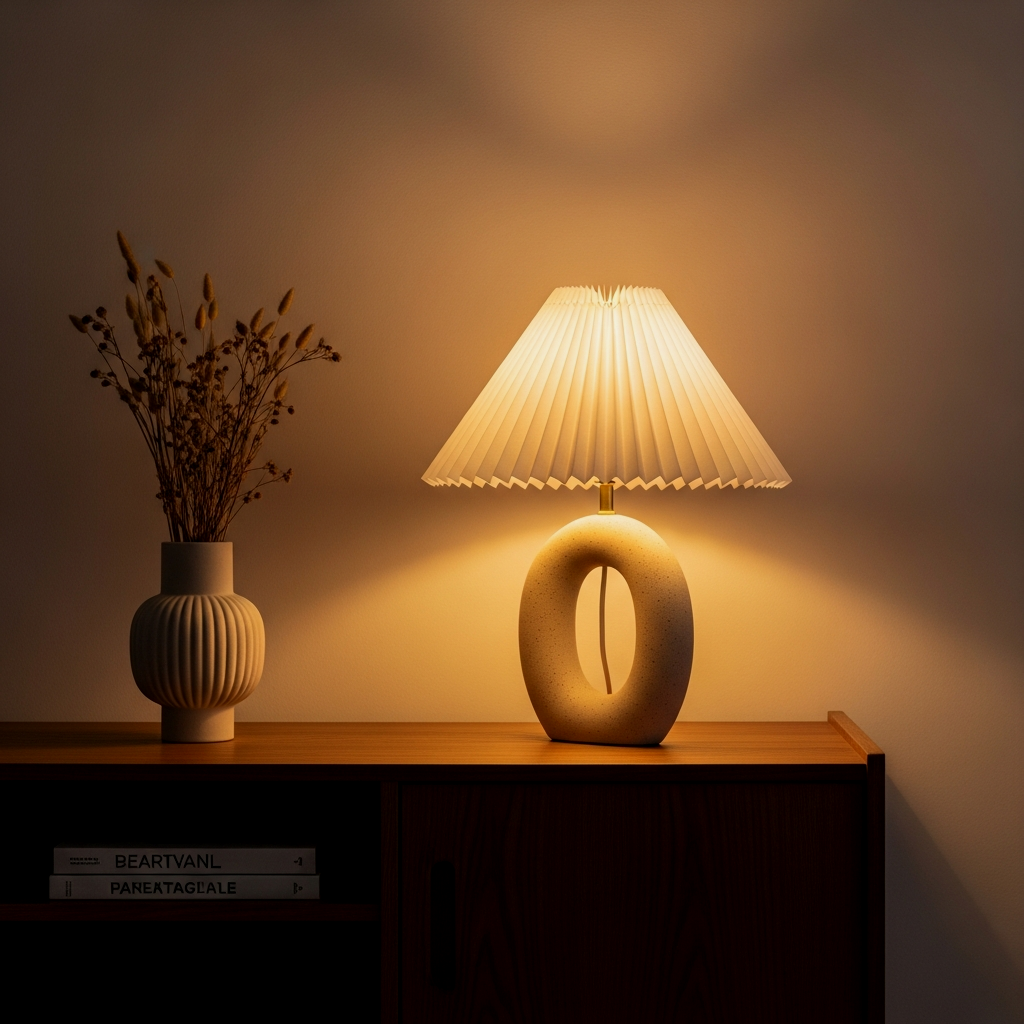
I am obsessed with the geometric precision of pleated shades. They offer a nod to traditional Japanese origami while feeling perfectly at home in a Scandi interior. These are perfect for entry consoles or nightstands. The way the light catches the ridges of the pleats creates a beautiful play of highlights and lowlights that keeps the eye moving.
Hidden Indirect LED Warmth
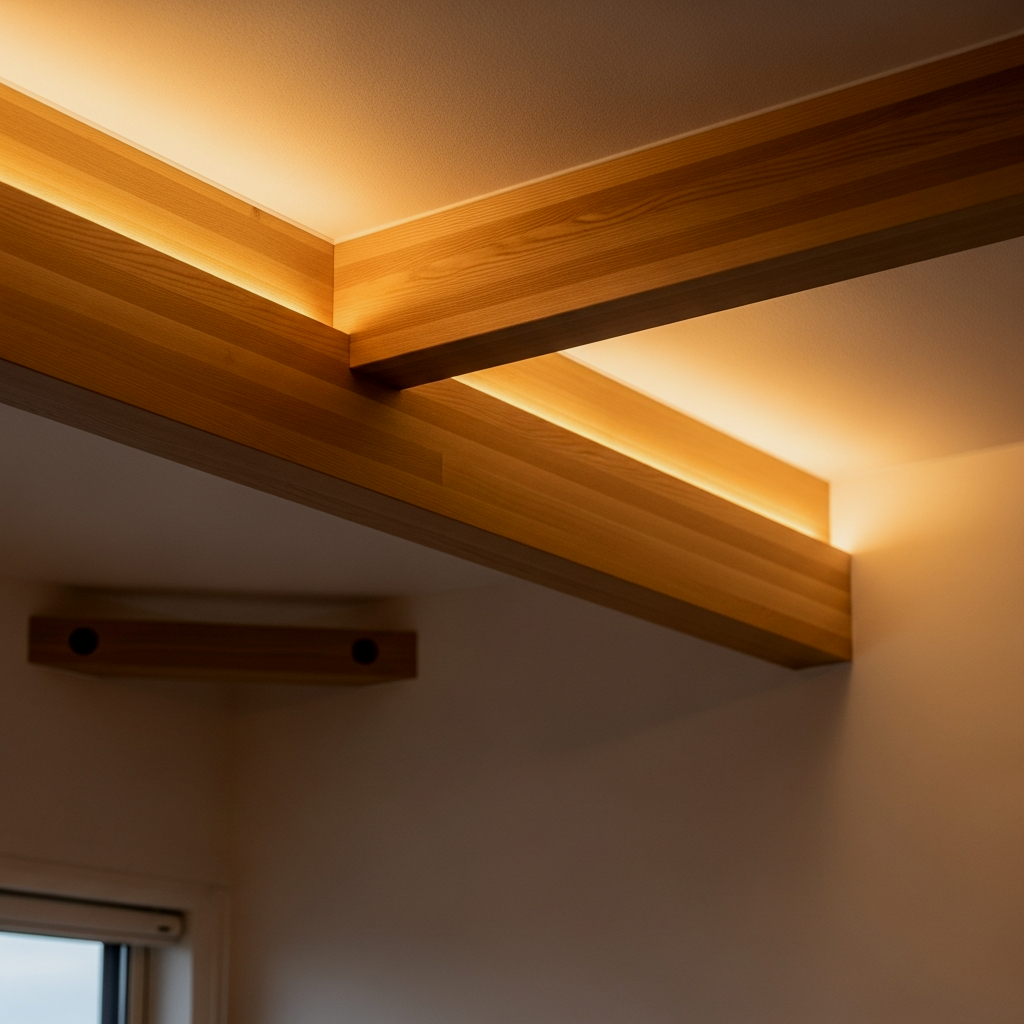
This is the ultimate pro move. By hiding warm LED strips behind a headboard, under a floating cabinet, or along a ceiling cove, you get a glow that seems to emanate from the architecture itself. It’s the “invisible” layer of lighting that makes a home feel like a high-end spa. It provides enough light to move around safely without ever breaking the mood.
The exact pieces that make these ideas work:
Wooden Slatted Wall Sconces
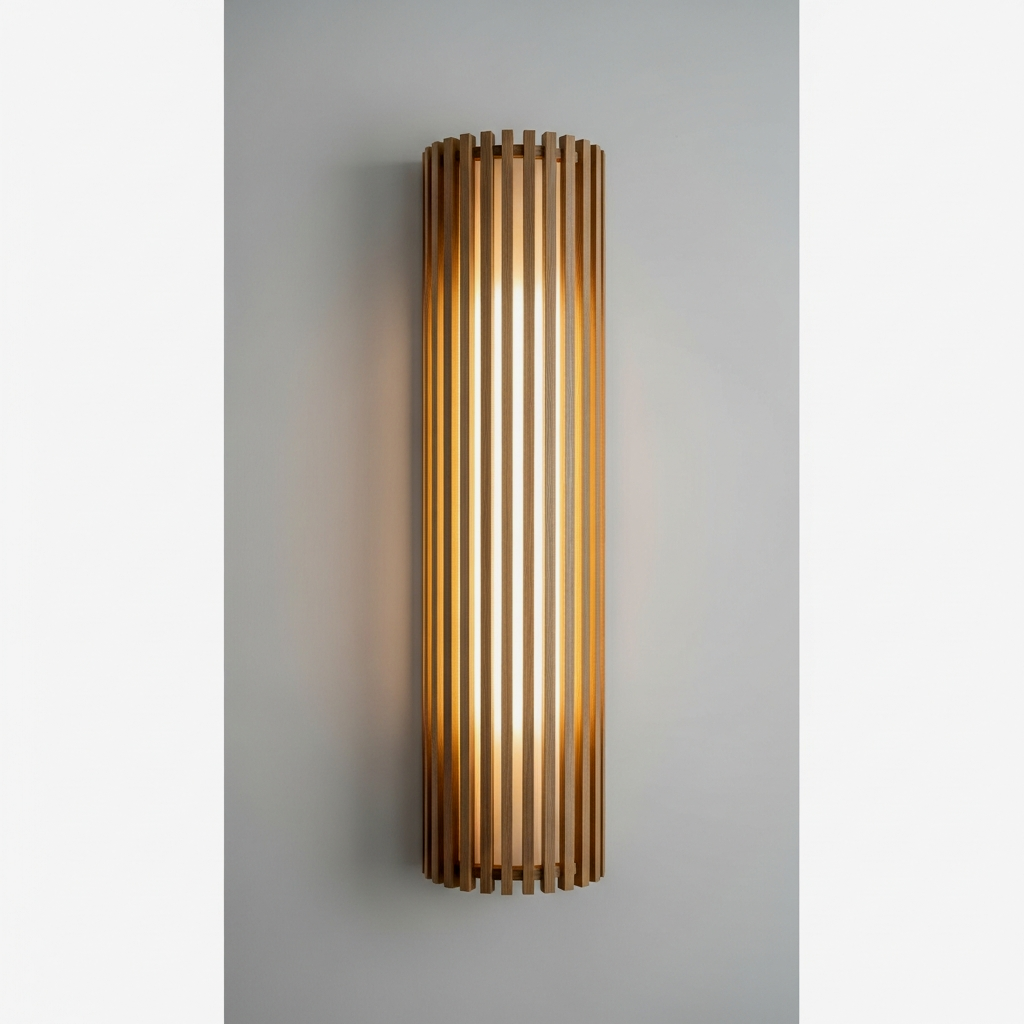
I cannot stress this enough: wood is the heartbeat of Japandi. Sconces that feature vertical wood slats (reminiscent of Shoji screens) filter light in a linear pattern that feels very architectural. It’s an easy way to add “texture” to a blank wall without having to hang traditional art. It’s functional decor at its absolute finest.
Sculptural Rattan Statement Lights
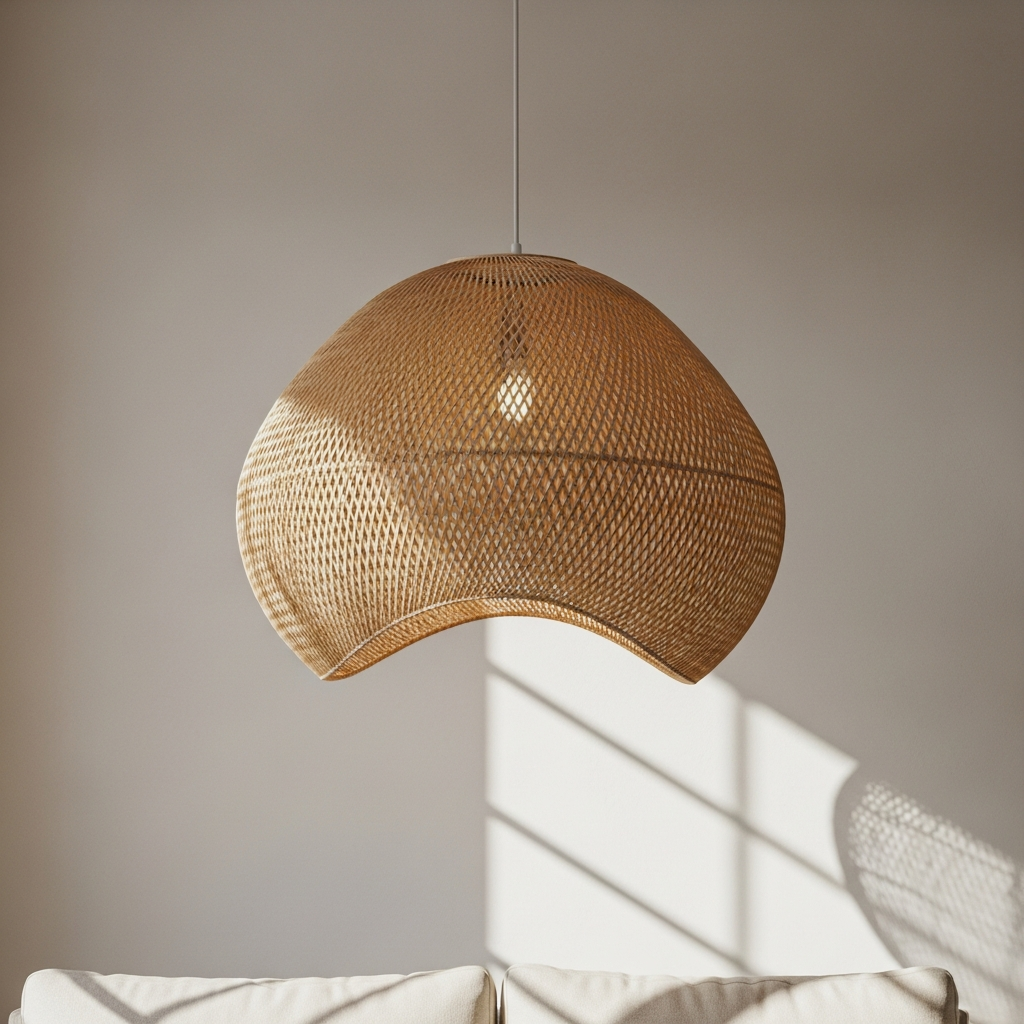
If your room is feeling a bit too “square” or rigid, you need a sculptural rattan piece. These oversized, organic shapes soften the hard lines of minimalist furniture. It’s genuinely life-changing for a room that feels a little too cold. The natural fibers bring a sense of the outdoors in, which is a core pillar of the Japandi philosophy.
The Concertina Pleat Floor Lamp
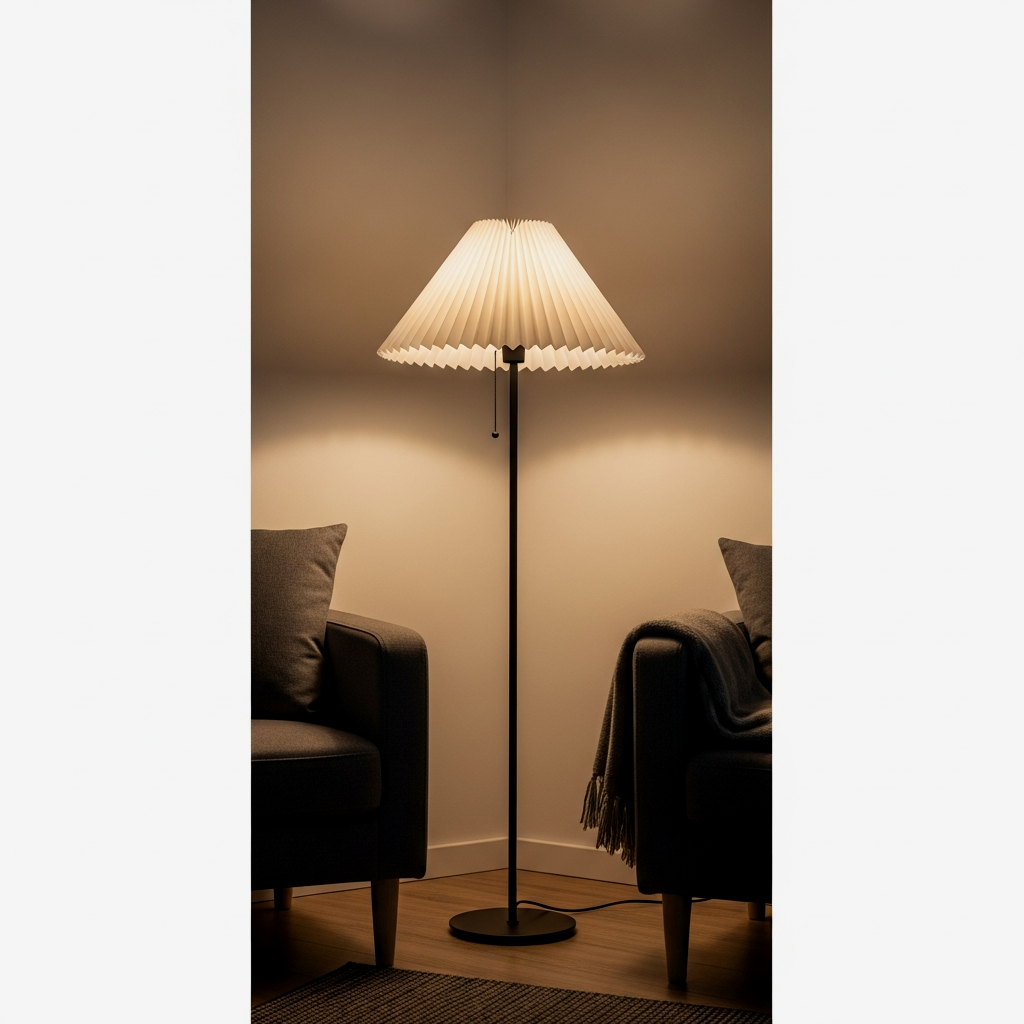
Do not sleep on this style—it’s a design classic for a reason. The folding, accordion-style shade (often seen in Danish mid-century designs) perfectly bridges the gap between East and West. It feels sophisticated and smart, but the paper or fabric material keeps it grounded and humble. It’s the perfect reading light for a cozy corner.
Ethereal Paper Globe Clusters
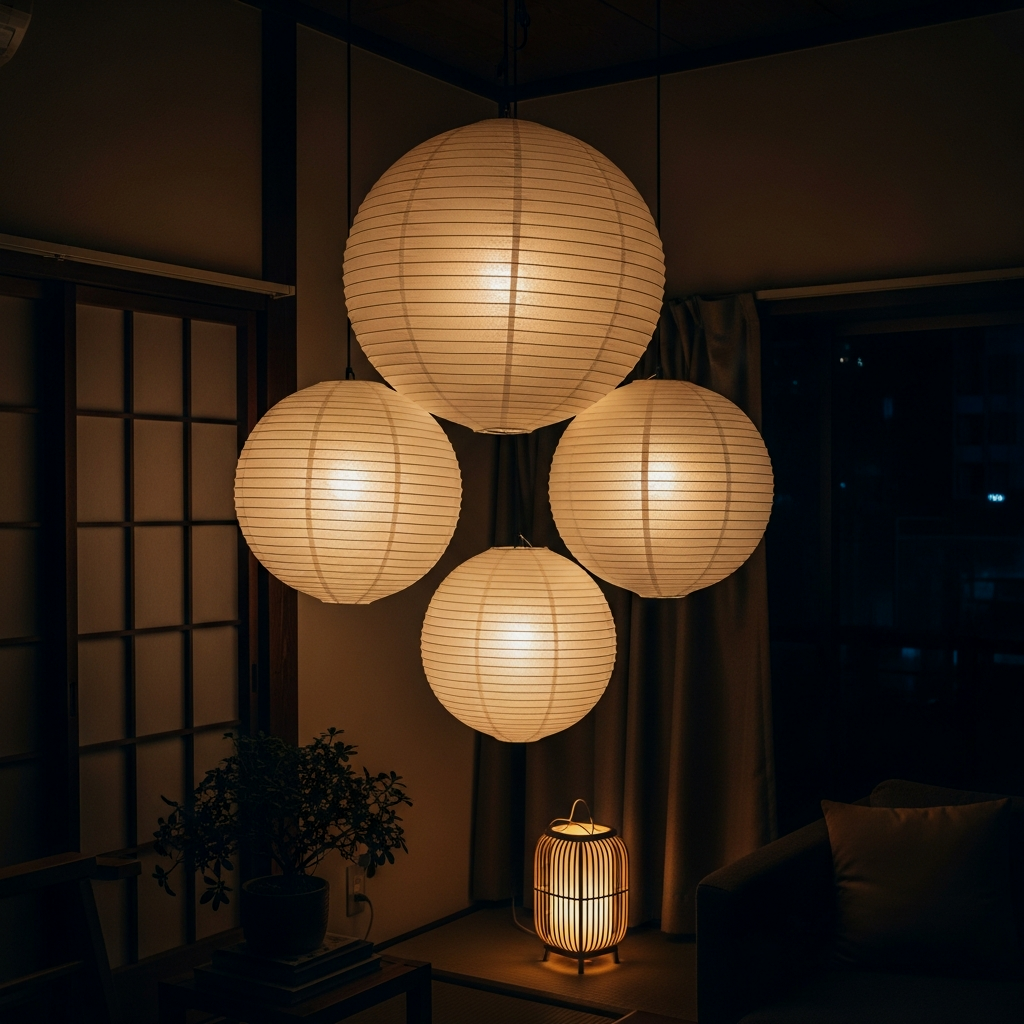
I wish someone had told me sooner that you don’t have to stick to just one pendant. Hanging three or four paper globes of varying sizes at different heights creates a stunning focal point. It looks like a cluster of clouds or floating lanterns. It’s a whimsical touch that prevents a minimalist room from feeling too serious or “museum-like.”
To make cheap paper lanterns look high-end, replace the standard white plastic cord with a fabric-wrapped cord in a neutral “jute” or “linen” color. This tiny swap makes the fixture look like a $500 designer piece and adds that crucial organic texture to the overall look.
📏 12 Japandi Lighting Ideas: The Best Kept Secret to a Truly Cozy Glow Quick-Win Checklist
- Check Kelvin Temp: Ensure every bulb is strictly between 2700K and 3000K.
- Vary the Heights: This changed everything for me; check that you have light at three distinct levels.
- Mix Materials: Pair at least one paper, one wood, and one metal source per room.
- Add Dimmers: Every lamp should have a dimmer switch for total atmospheric control.
- Shadow Check: Ensure your woven lights aren’t creating “distracting” patterns in high-task areas.
Natural Stone and Silk Table Lamps
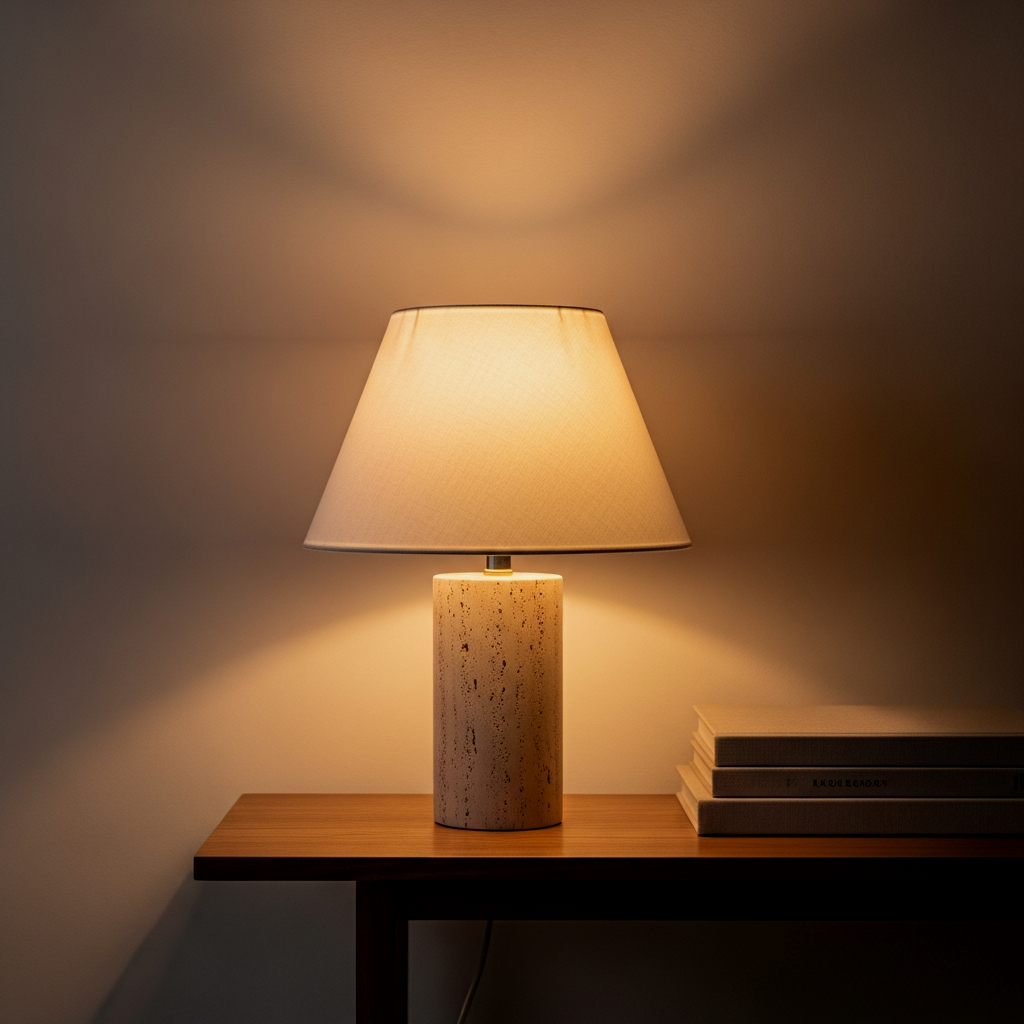
For a final touch of luxury, look for a lamp with a raw stone base and a silk shade. It’s the ultimate expression of “wabi-sabi”—finding beauty in the imperfect and natural. Once you try this you cannot go back to standard glass or plastic lamps. The weight of the stone feels permanent and calm, while the silk adds a subtle, sophisticated sheen that elevates the whole room.
Lighting really is the “secret sauce” that makes a home feel lived-in and loved. If you’ve been staring at your walls wondering why they don’t look like those Pinterest photos, I promise it’s your light! You will not regret this investment of time and effort. The results speak for themselves the moment you flip that first switch in the evening. No seriously, go turn off your ceiling light right now and see the difference.
If you’re ready to take the next step in your design journey, don’t forget to check out our full list of 25 Japandi living room ideas to finally master the art of zen minimalist style to see how these lighting tips fit into the bigger picture of your home!
FAQ: Mastering Your Japandi Lighting Glow
What is the best light bulb color for Japandi interiors?
Stick to “Warm White” bulbs, specifically 2700K. This mimics the golden hour glow and complements natural wood tones and paper shades perfectly without making them look yellow or clinical.
How high should I hang my Japandi pendant light?
For a dining table, aim for 30-36 inches above the surface. For a “low-slung” Japandi look over a side table, you can go as low as 18-24 inches to create a cozy, intimate pool of light.
Can I use smart bulbs with paper lanterns?
Yes! Smart bulbs are great because you can dim them to the perfect level. Just ensure the bulb doesn’t touch the paper shade and has enough clearance to dissipate heat.
Is it okay to mix different wood tones in lighting?
Absolutely. Japandi thrives on a natural palette. Mixing a light oak floor lamp with a darker bamboo pendant adds depth and makes the room feel more curated and less like a showroom set.
How do I clean washi paper or rice paper lamps?
Use a very soft, dry microfiber cloth or a feather duster. Never use water or cleaning sprays, as they will stain and warp the paper. For stubborn dust, a hair dryer on a “cool” and “low” setting can blow away debris safely.