Small Bathroom Sink Ideas: Pro Tips for Tight Spaces
Most powder rooms and small bathrooms are treated as an afterthought. We cram a generic white pedestal sink into a corner, slap on some basic chrome hardware, and wonder why the space feels like a gas station bathroom. It’s a waste of a massive design opportunity. Small spaces are the best places to take big risks because you don’t need much material to make a statement. A boring corner isn’t a problem; it’s a blank canvas for a high-end fixture that anchors the entire room.
✨ Before You Start: Small Bathroom Sink Ideas That Turn a Boring Corner Into a Feature Mindset
The Floating Calacatta Marble Pedestal
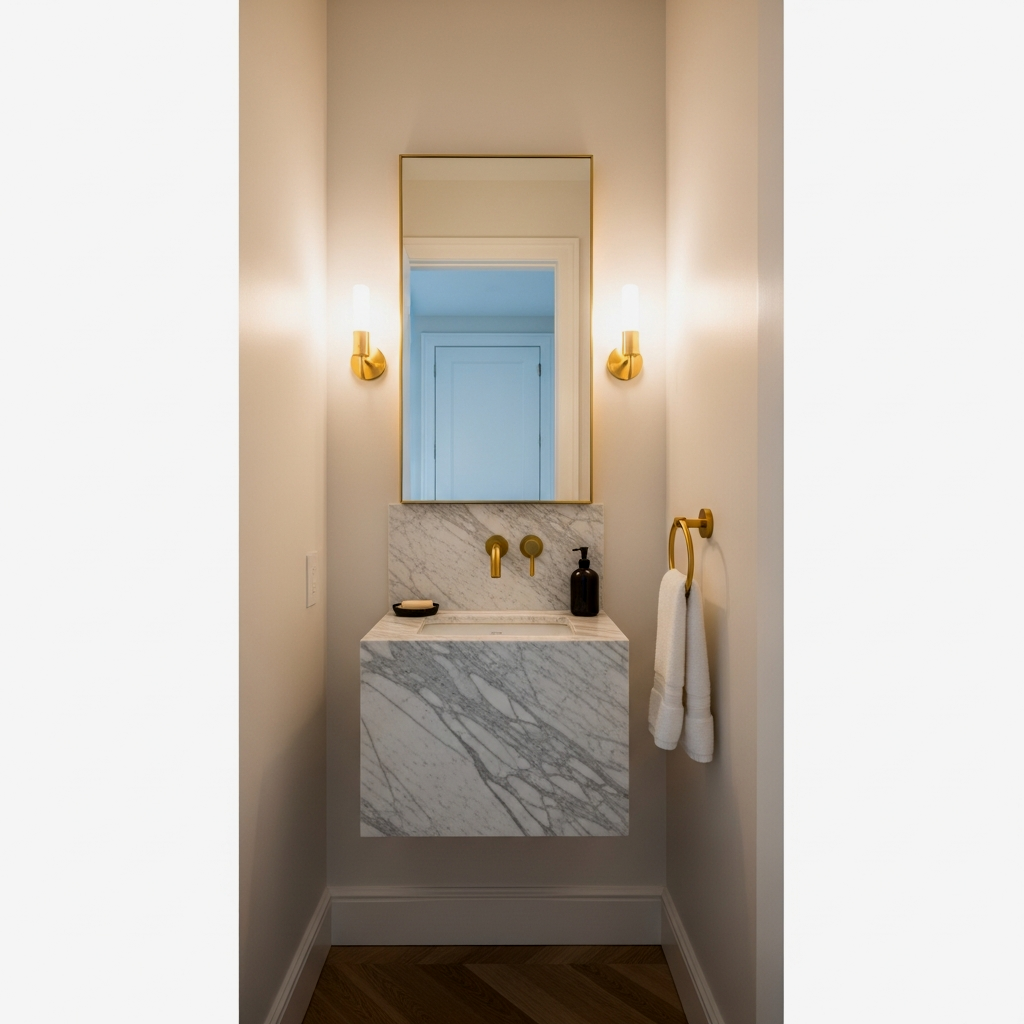
If you want to move away from the “boring corner” syndrome, start with stone. A floating Calacatta marble pedestal is a heavy-hitter that feels permanent and intentional. The key is the thick mitered edge—usually around 4 to 6 inches—to give it that solid, blocky appearance. Because it’s wall-mounted, you keep the floor clear, which makes a tiny bathroom feel double its actual size. Look for slabs with deep grey or gold veining to add natural movement against a clean wall.
Vintage Brass Basin on Reclaimed Wood
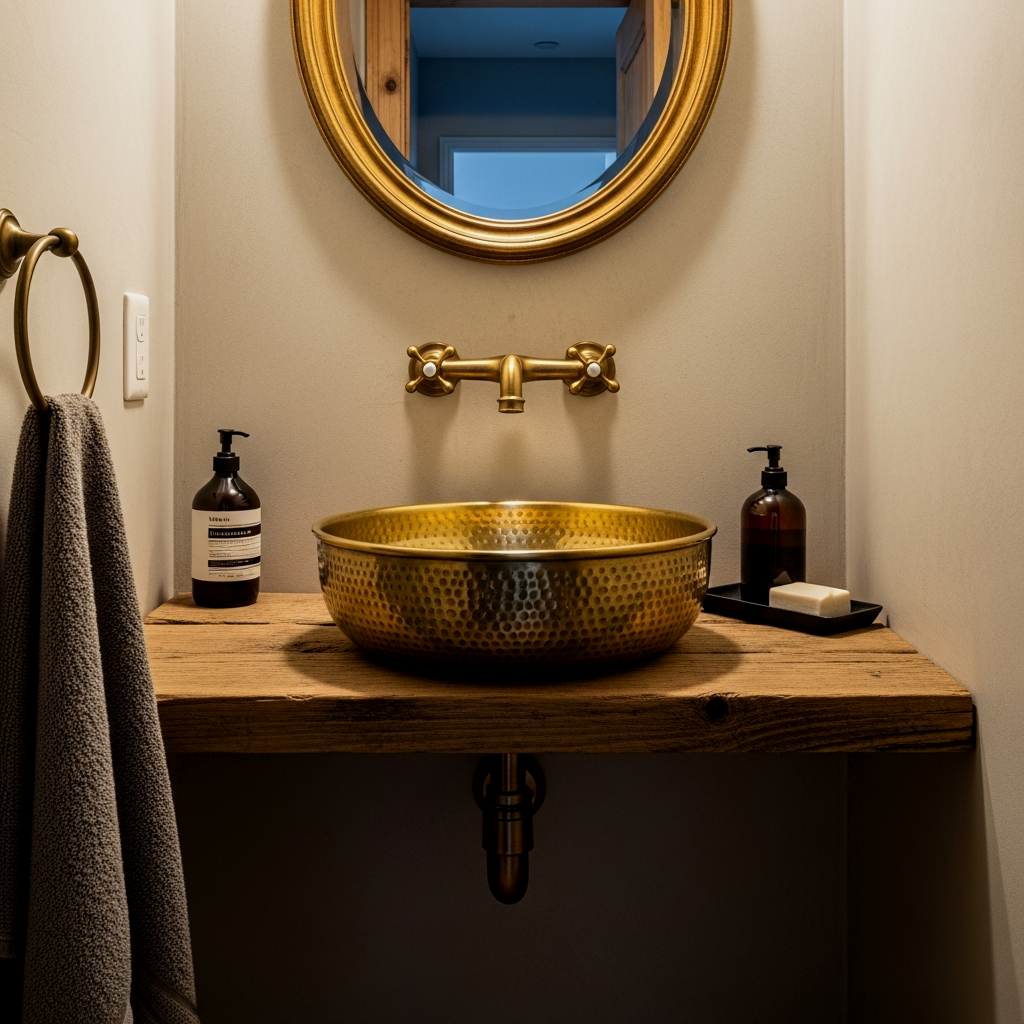
There is something solid about the combination of aged metal and textured timber. A weathered brass basin—like something from the Watermark Designs collection—sitting atop a thick slab of reclaimed white oak is a game changer for a rustic or transitional space. The brass will develop a patina over time, which only adds to the character. It’s a low-stress way to introduce warmth without needing a ton of decor.
When using reclaimed wood as a vanity top, seal it with a high-quality matte polyurethane like Bona Traffic HD. It protects against water rings without making the wood look “plastic” or shiny.
The Hand-Painted Scalloped Ceramic Basin
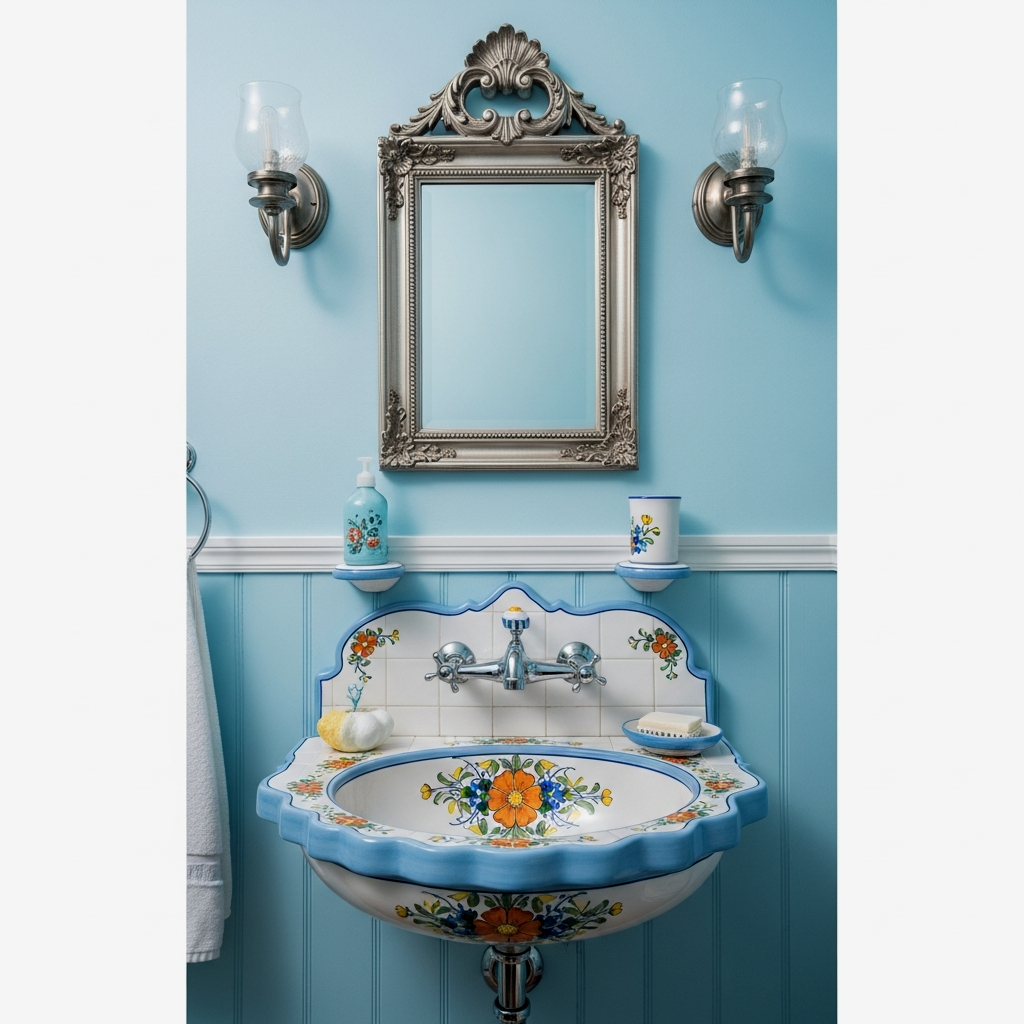
For a more curated, artisanal look, a scalloped ceramic basin offers a soft geometry that breaks up the hard lines of a standard bathroom. Many independent makers on platforms like Etsy or specialty shops like Rejuvenation offer hand-painted options. Whether it’s a subtle blue pinstripe or a full floral motif, this sink acts as the primary piece of art in the room. Keep the faucet simple—matte black or brushed nickel—so it doesn’t compete with the basin’s detail.
Follow the 70/30 Material Split: 70% of your corner should be a neutral, grounding material (like white tile or plaster), and 30% should be your “feature” material (the marble, brass, or wood of the sink). This prevents the feature from overwhelming the small footprint.
Industrial Polished Concrete Trough
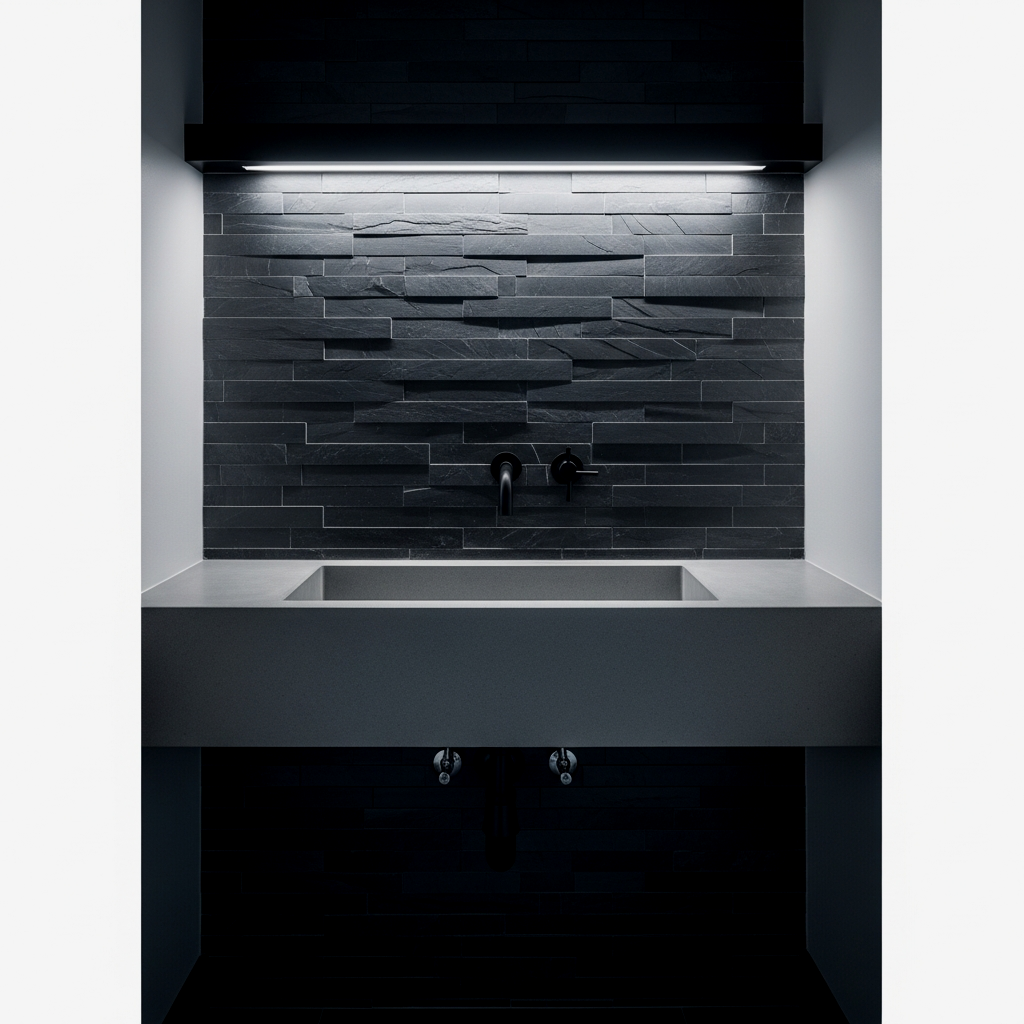
Concrete is a solid choice if you want a masculine, no-nonsense aesthetic. A wall-hung concrete trough sink provides a clean, architectural line that feels incredibly sturdy. Brands like Trueform Concrete allow for custom pigmenting, so you can go with a deep charcoal or a raw light grey. It’s practical, easy to clean, and handles the wear and tear of a high-traffic powder room without breaking a sweat.
Concrete is porous. Every six months, apply a fresh coat of beeswax-based sealer to maintain the surface tension and prevent soap and oil stains from soaking in.
Emerald Green Zellige Tile Pedestal
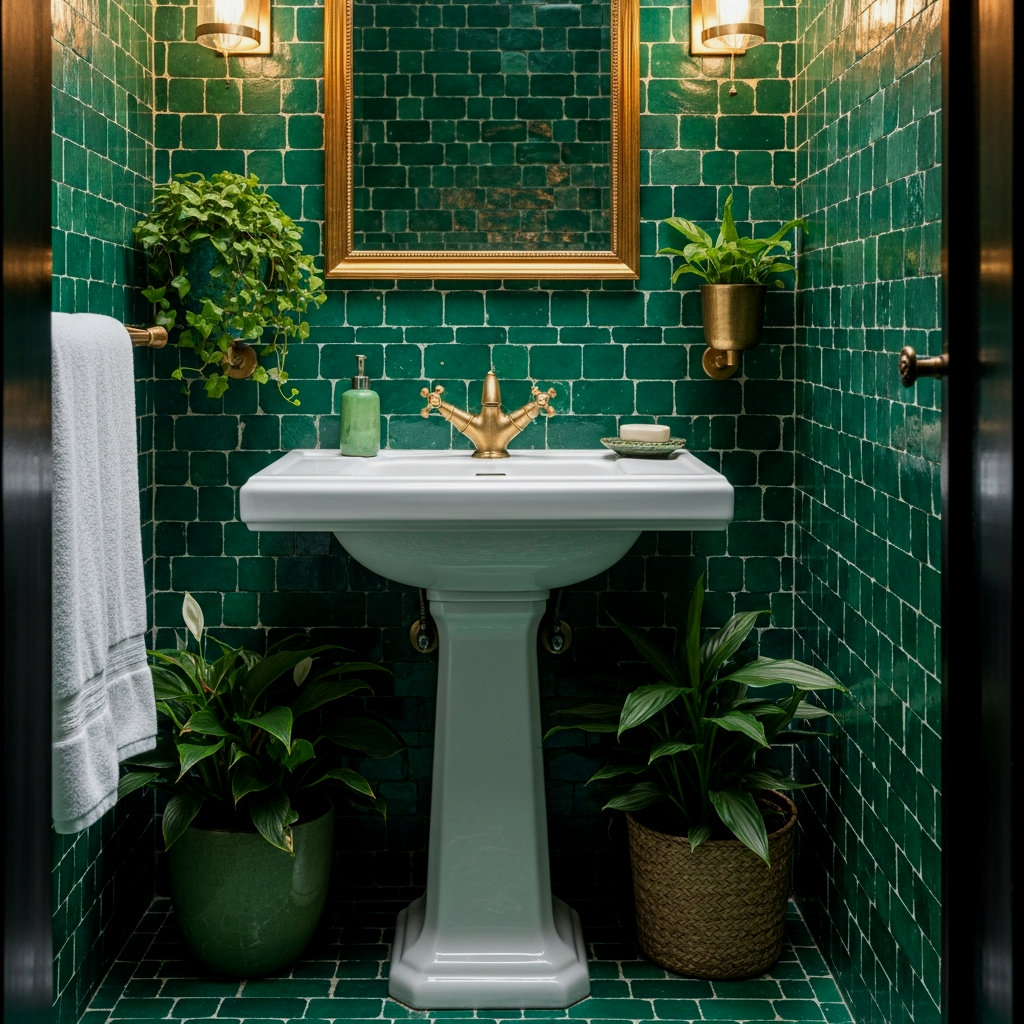
Zellige tiles are hand-molded in Morocco, meaning no two tiles are exactly the same. Building a custom pedestal base wrapped in emerald green Zellige (try Cle Tile for the real deal) creates a shimmering, jewel-box effect. When the light hits the uneven surfaces of the tile, it creates a depth that a standard porcelain sink simply can’t match. Pair this with a simple drop-in white basin to keep the focus on the tilework.
The Minimalist Black Quartz Integrated Sink
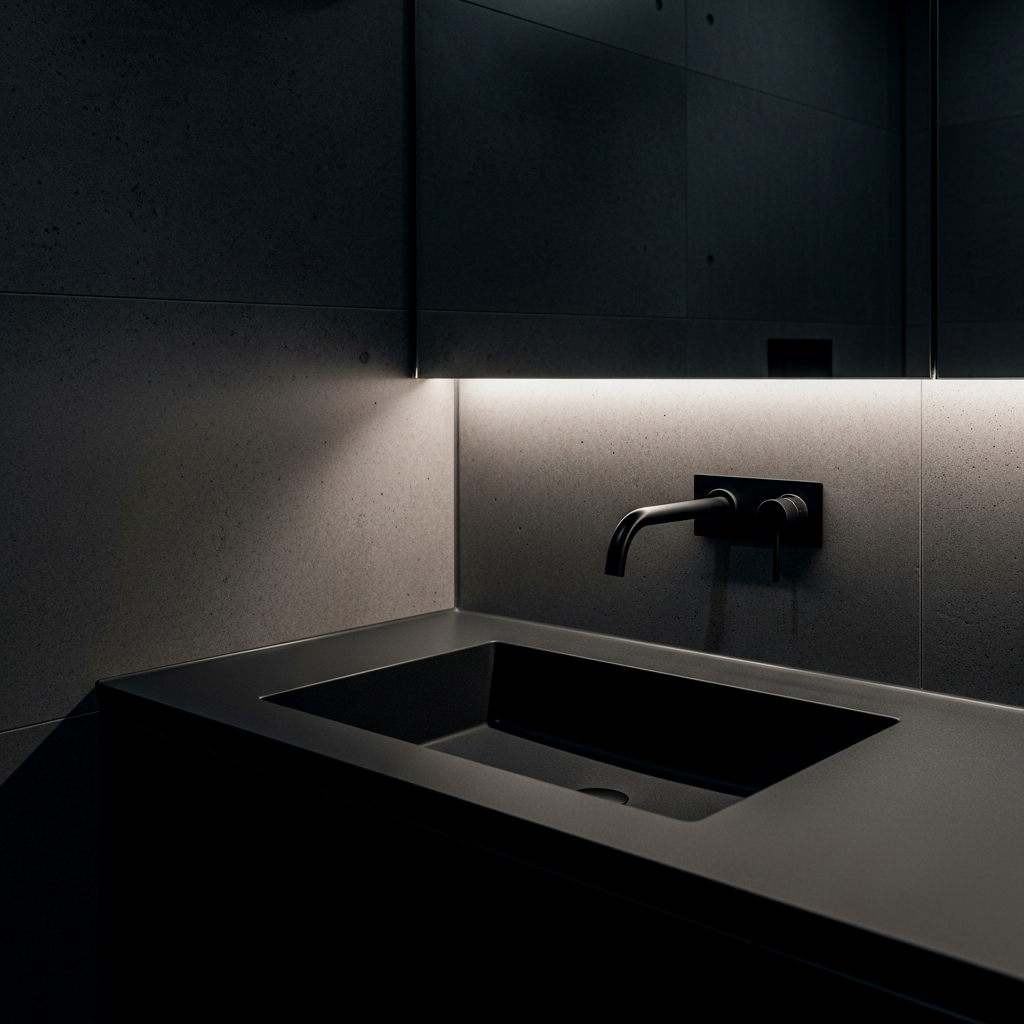
For those who prefer a sharp, modern look, an integrated black quartz sink is the way to go. This means the sink and the countertop are one continuous piece of material. It’s incredibly sleek and eliminates the “grime gap” where a sink meets the counter. Use a matte finish like Caesarstone’s ‘Piatra Grey’ or ‘Jet Black’ for a high-end feel that doesn’t show fingerprints as easily as polished stone.
To keep black quartz looking sharp, use a daily cleaner specifically formulated for stone. Standard glass cleaners can leave a hazy blue film on matte black surfaces.
Raw Edge Stone Vessel on Teak
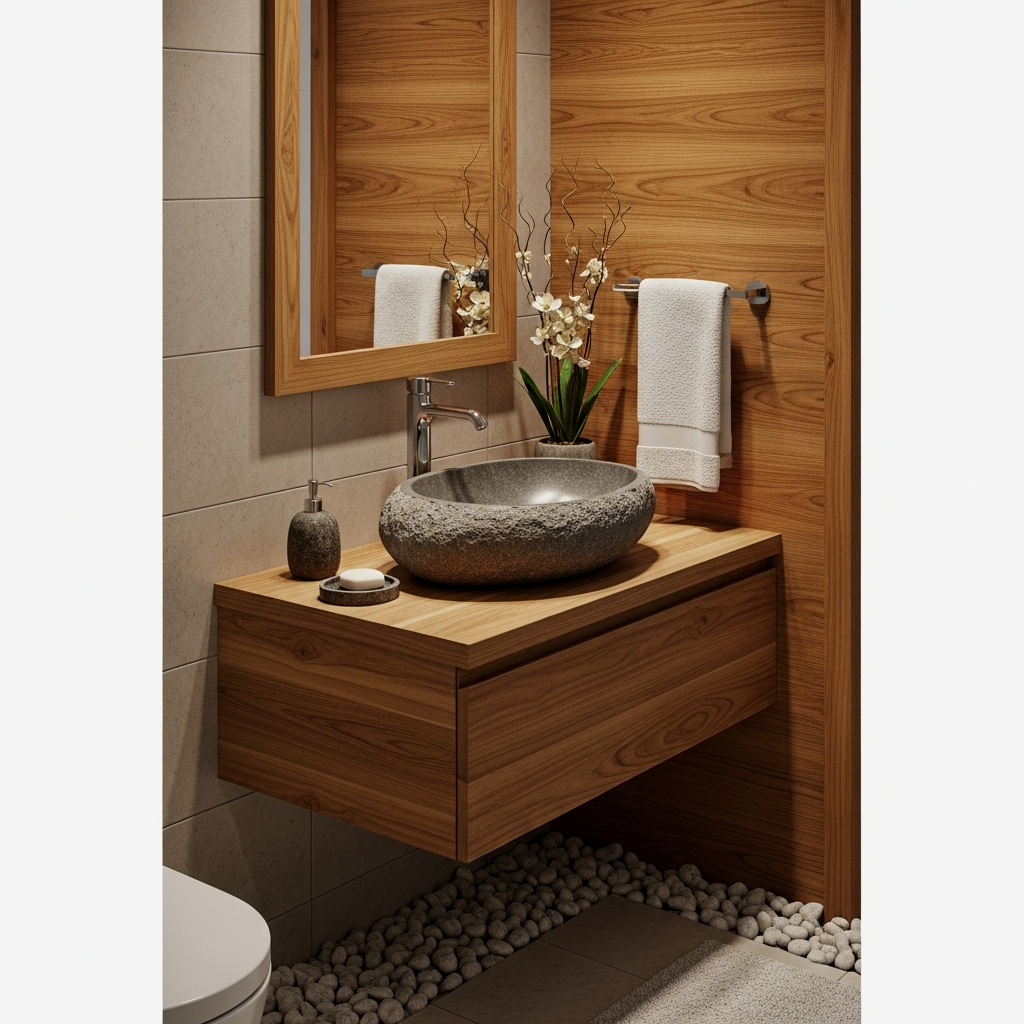
If your bathroom feels too sterile, you need organic textures. A raw edge stone vessel—carved from a single piece of river rock or granite—provides an immediate connection to the outdoors. Placing it on a floating teak shelf adds warmth and a spa-like vibe. Teak is naturally oily and water-resistant, making it one of the few woods that can handle the moisture of a sink area without constant maintenance.
The exact pieces that make these ideas work:
Translucent Amber Glass Bowl
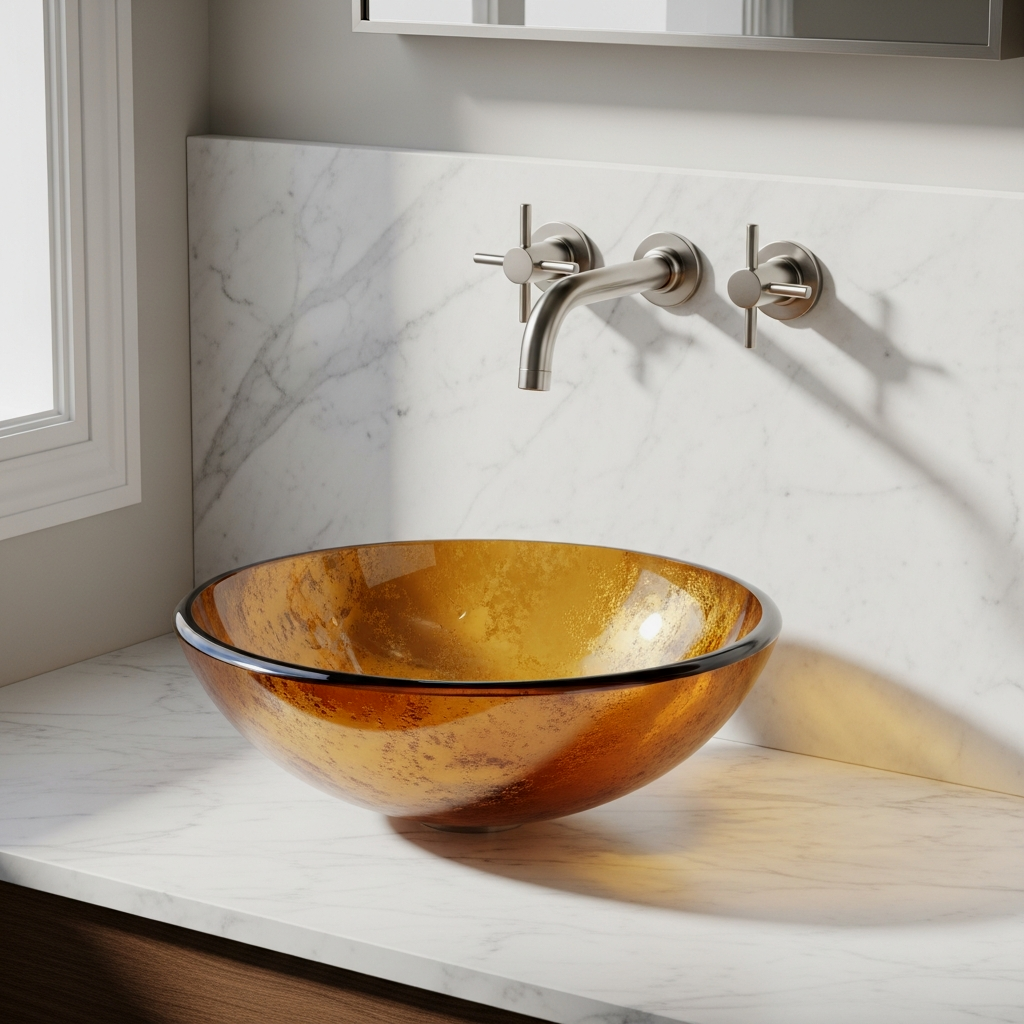
Glass sinks get a bad rap for looking dated, but a thick, translucent amber glass bowl is a different story. It looks like a piece of molten honey resting on your counter. The beauty of glass in a small corner is that it doesn’t create a visual “block.” Light passes through it, keeping the corner airy. Pair it with a wall-mounted faucet in oil-rubbed bronze to lean into that warm, glowy aesthetic.
Install a small LED puck light directly above a glass vessel sink. The light will refract through the glass and illuminate the entire corner with a soft, ambient glow.
The Fluted Marble Column Sink
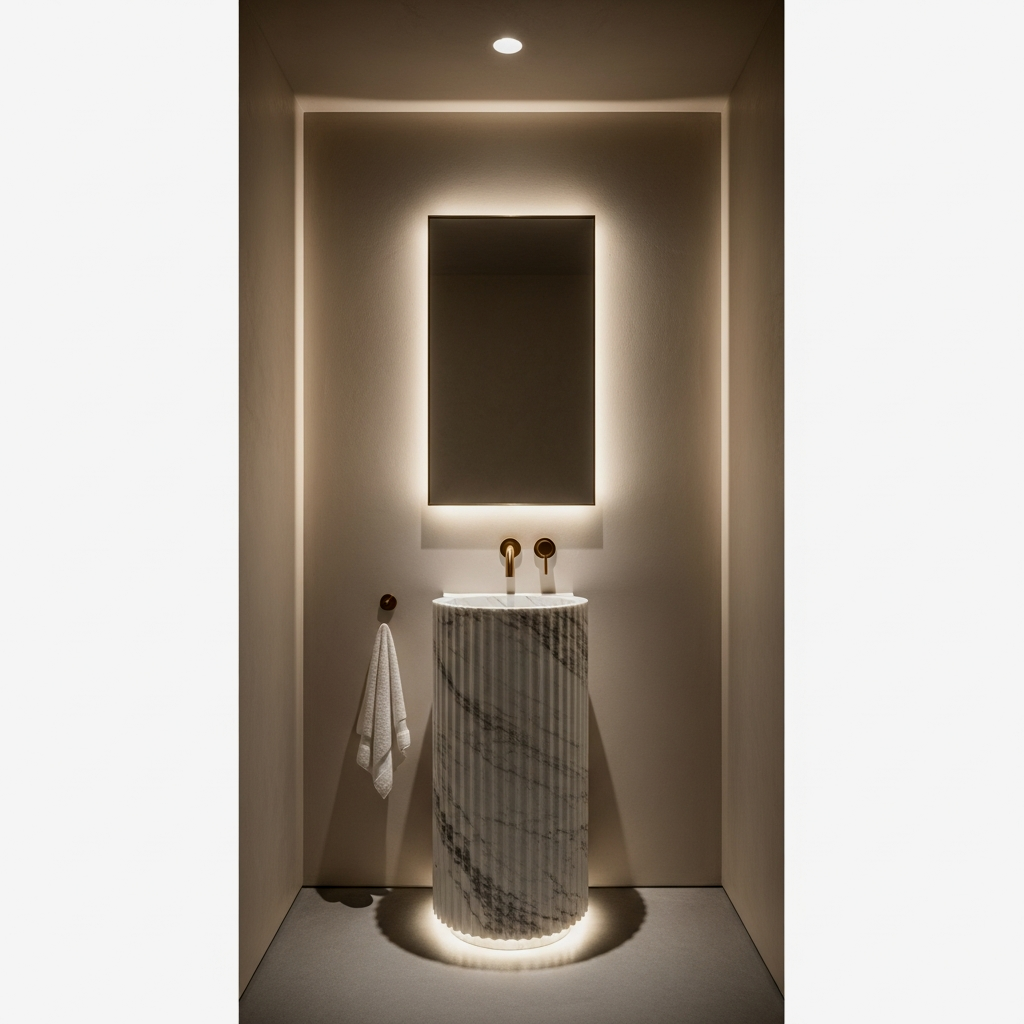
Texture is a massive trend right now, and a fluted marble column sink brings that architectural detail into the bathroom. The vertical ridges catch shadows and create visual height, making a low ceiling feel taller. This is a standalone piece—no vanity required. Brands like West Elm or signature hardware suppliers often carry these “freestanding” stone basins. It’s a bold, sculptural move that requires zero extra styling.
Victorian Iron and Porcelain Console
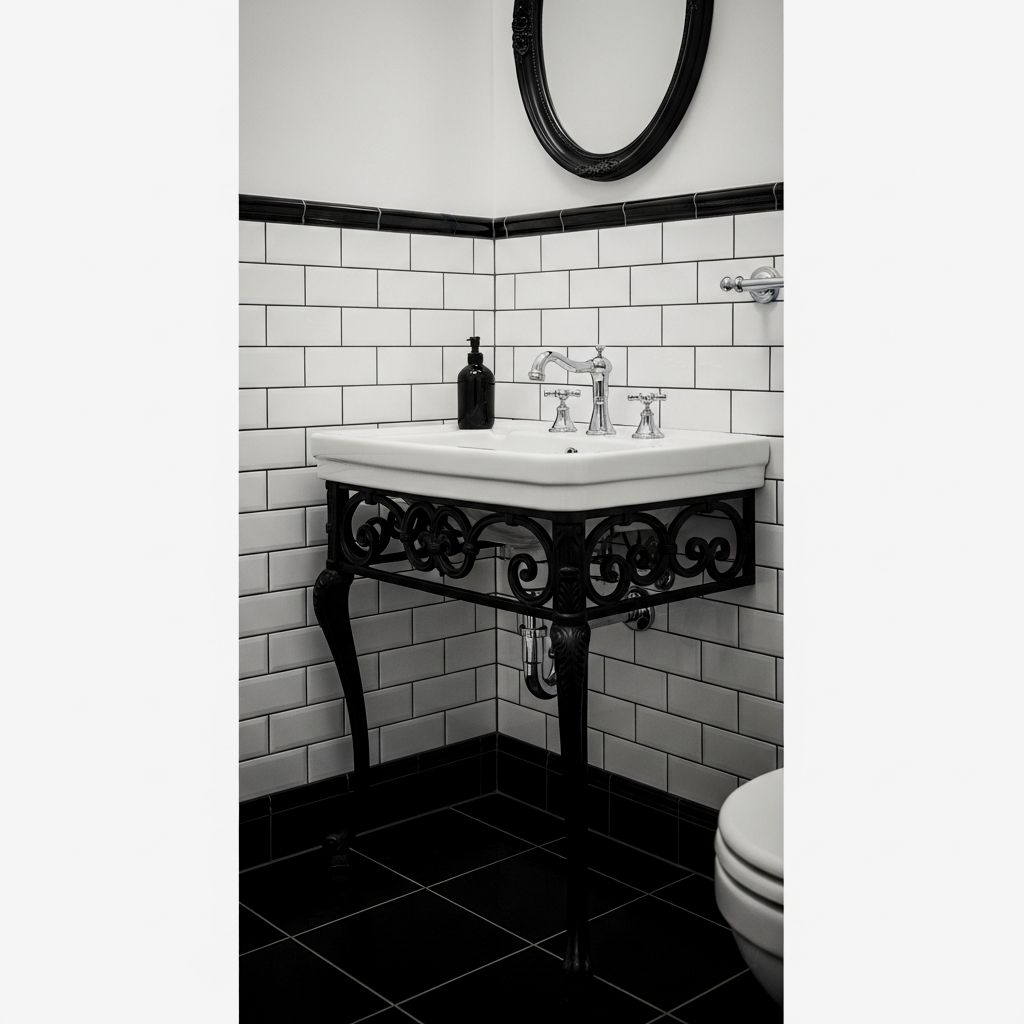
Don’t overthink the classics. A Victorian-style console sink features slender iron legs—usually in black or polished brass—supporting a heavy porcelain basin. It’s a “solid choice” for a traditional home. The open space beneath the sink prevents the corner from feeling crowded, and the legs provide a perfect spot to hang a high-quality waffle-knit hand towel. It’s timeless, functional, and exceptionally durable.
If the iron legs start to look dull, rub them down with a tiny bit of furniture wax like Briwax. It restores the luster and protects the metal from humidity-induced corrosion.
The Triangular Corner Floating Sink
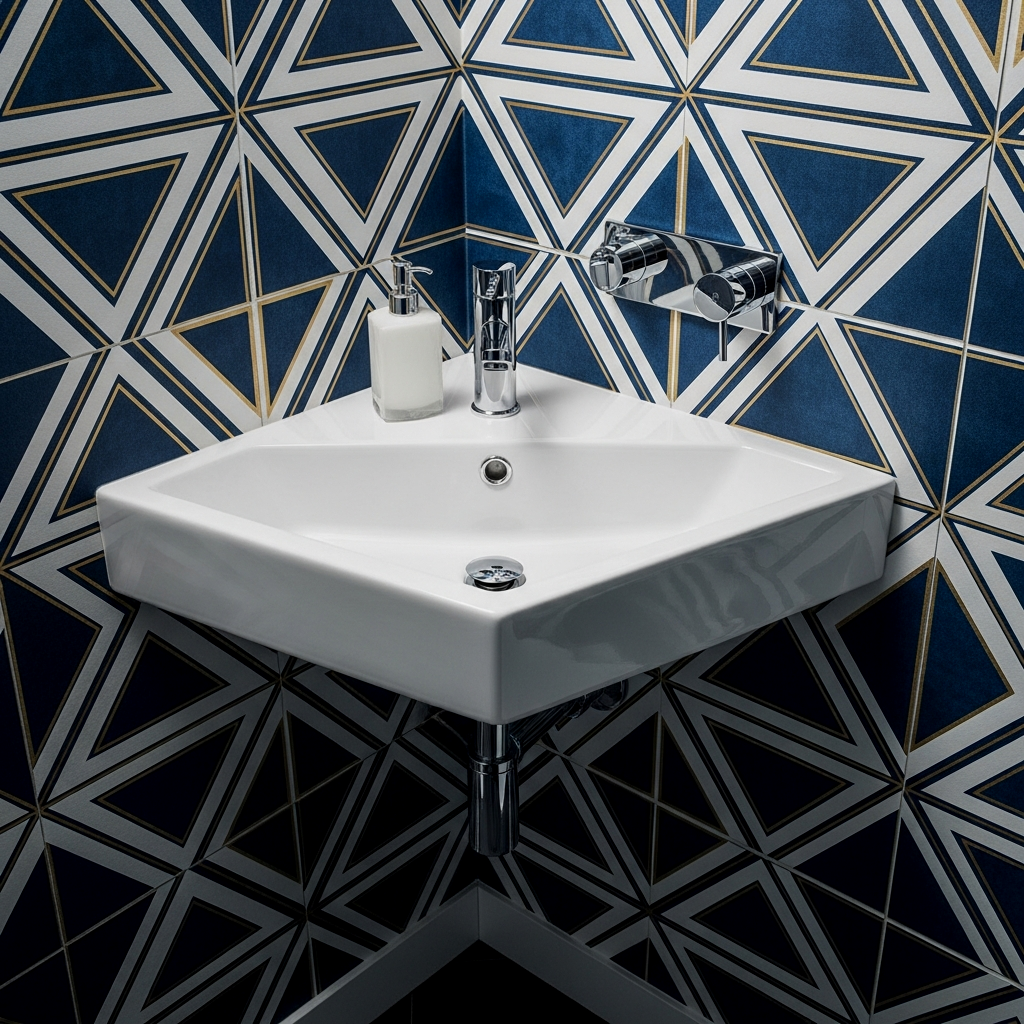
Sometimes you’re dealing with a corner that’s truly tiny. A triangular floating sink is the ultimate space-saver. Instead of a bulky rectangle that juts into the walking path, this fits snugly into the 90-degree angle of the walls. Look for a version in a high-end material like honed carrara marble or matte ceramic to ensure it feels like a design choice rather than a compromise for space.
When installing a floating sink, the plumbing is visible. Forget the cheap plastic PVC pipes. Spend the extra $100 on a decorative bottle P-trap in a finish that matches your faucet (like Brushed Gold or Champagne Bronze). It turns the utility into a feature. To really make the corner pop, paint the wall behind the sink in a deep, moody shade like Benjamin Moore ‘Hale Navy’ or Farrow & Ball ‘Setting Plaster’.
Mid-Century Modern Floating Teak Cabinet
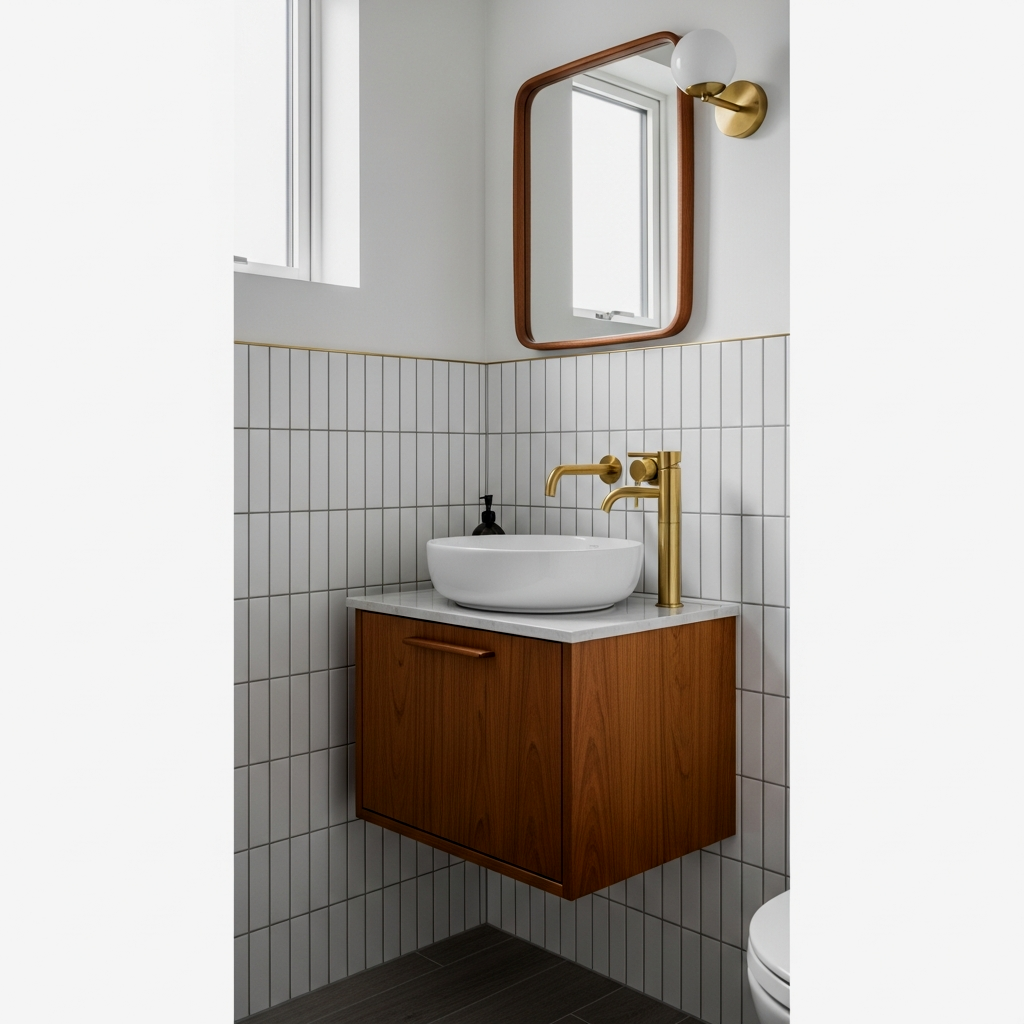
To get that 1950s aesthetic right, go for a floating teak cabinet with clean, tapered lines. A drop-in white porcelain sink with a wide rim gives you plenty of space for a bottle of Aesop soap without needing a separate shelf. The warmth of the teak balances out the coldness of bathroom tiles, making the whole room feel more like a living space than a utility closet. It’s a sophisticated, “no stress” way to add storage and style simultaneously.
Apply a teak oil finish once a year to keep the wood from drying out and turning grey. It takes ten minutes and makes the grain pop like new.
Hammered Copper Basin with Exposed Pipes
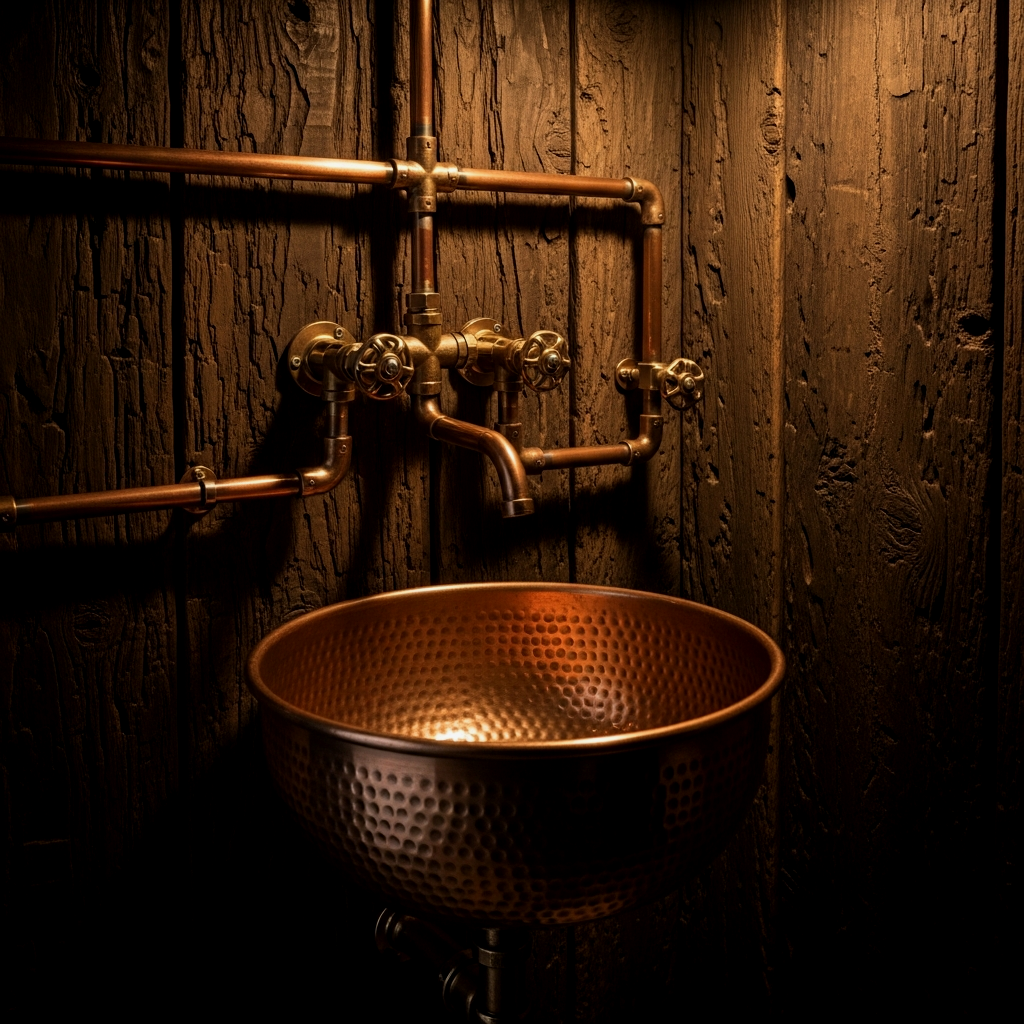
Hammered copper is all about the “human touch.” The texture of the hammering reflects light in a dozen different directions, adding instant life to a boring corner. If you want to lean into the industrial look, leave the plumbing exposed and use copper piping for the supply lines. It’s a raw, honest look that feels expensive and custom-built. Just be sure to use a high-quality copper sink that is thick enough to resist denting.
The Terrazzo Block Integrated Sink
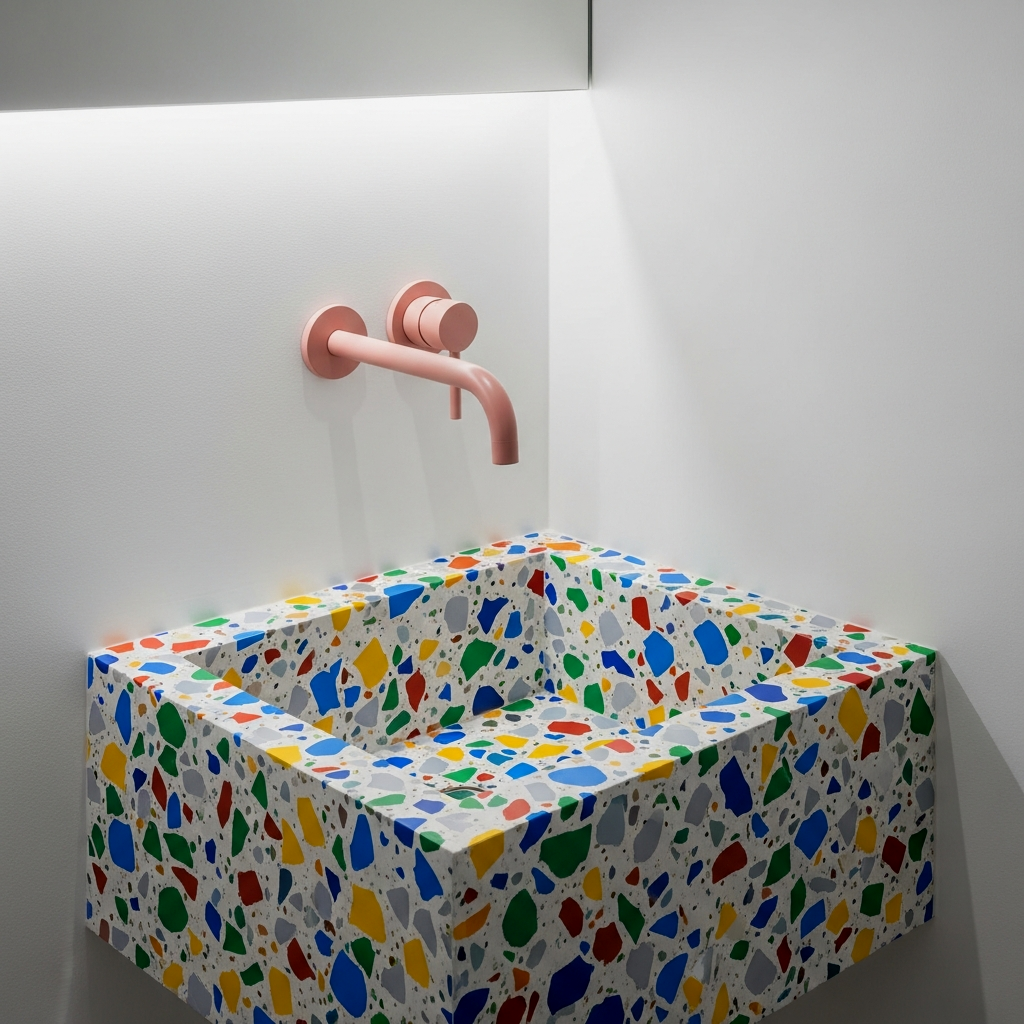
Terrazzo is back, but not the boring 70s linoleum version. We’re talking about solid, cast-terrazzo blocks with large chips of marble and glass embedded in cement. An integrated terrazzo sink is a statement piece that brings a playful yet high-end feel to the bathroom. It’s incredibly durable and masks water spots better than almost any other material. It’s the perfect choice for a “feature” sink that needs to be low-maintenance.
Coordinate your floor tile with one of the smaller aggregate colors found in the terrazzo sink. This creates a cohesive, professional design flow throughout the entire small space.
📏 Small Bathroom Sink Ideas That Turn a Boring Corner Into a Feature Quick-Win Checklist
- Measure Clearance: Ensure the sink doesn’t block the door swing or the toilet access.
- Check Wall Support: Floating stone sinks are heavy; you may need to add blocking (extra studs) behind the drywall.
- Match Faucet Reach: Ensure the faucet spout reaches the center of the basin to prevent splashing.
- Select the P-Trap: Choose a finish that matches your hardware since it will likely be visible.
- Seal the Surface: Apply a high-grade stone or wood sealer before the first use.
Ultra-Thin Matte White Wall-Hung Basin
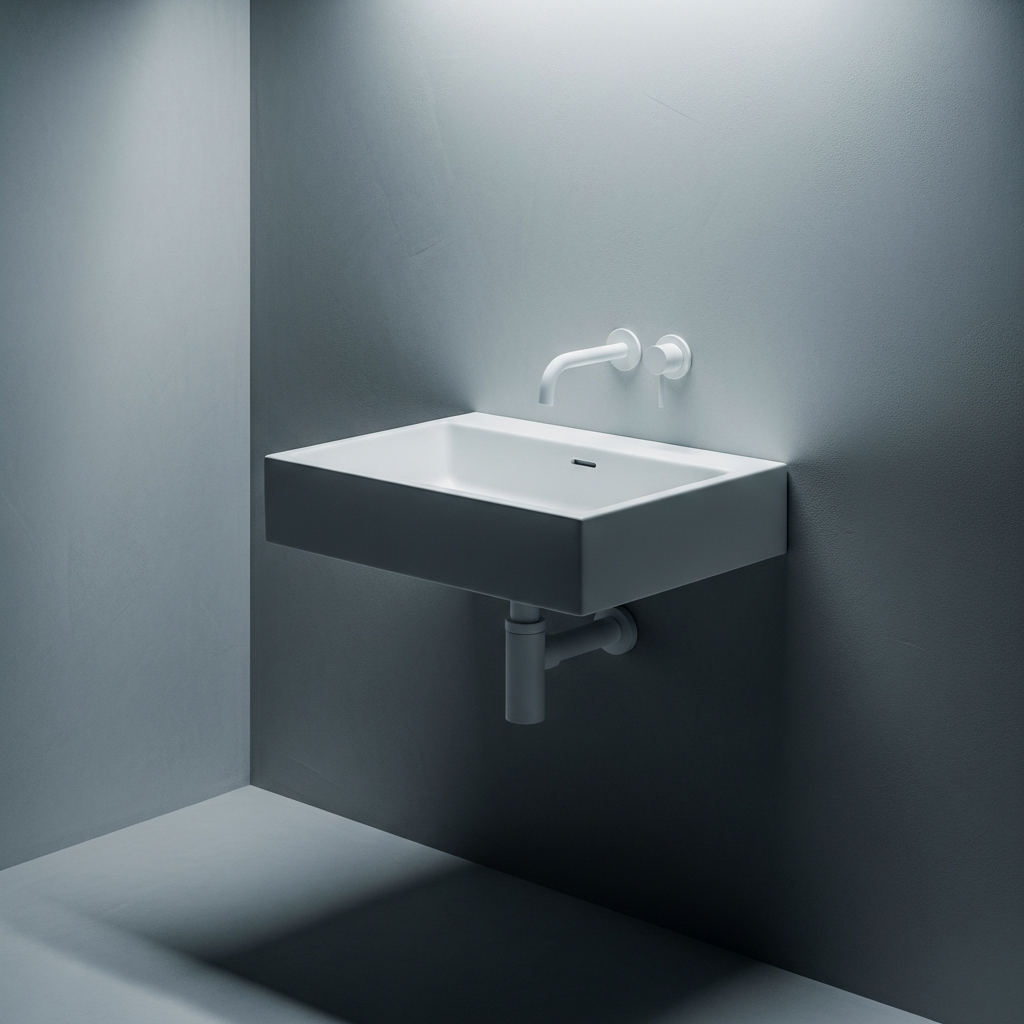
Sometimes, the most dramatic thing you can do is go ultra-minimalist. An ultra-thin ceramic basin—with edges less than half an inch thick—looks incredibly precise and high-tech. Brands like Laufen or Duravit specialize in these “SaphirKeramik” designs. In a matte white finish, it looks like a piece of folded paper floating on the wall. It’s clean, it’s modern, and it works in literally any design context without ever going out of style.
Turning a boring corner into a feature isn’t about adding more stuff; it’s about choosing one solid piece and doing it right the first time. Whether you go with heavy marble or a slim ceramic basin, remember to keep the proportions in check and the quality high. You don’t need a massive bathroom to make a massive impact. Focus on the materials, nail the plumbing details, and enjoy a space that finally feels like it was designed with intent. You’ve got this.
Frequently Asked Questions
Can I install a heavy stone floating sink on a standard drywall?
No, you should never mount a heavy stone sink directly into drywall and standard studs without reinforcement. You typically need to open the wall and install “blocking”—usually 2×8 or 2×10 headers—between the studs to provide a solid anchor for the mounting brackets.
How do I prevent water from splashing out of a shallow vessel sink?
The trick is matching the faucet to the sink. Choose a faucet with an aerator to soften the water flow and ensure the spout is positioned so the water hits the center of the drain or the flattest part of the basin floor at a slight angle.
Is wood really a safe material for a bathroom sink area?
Yes, provided you choose the right species and seal it correctly. Teak, Ipe, and White Oak are excellent choices because of their density and natural oils. Use a marine-grade sealer or multiple coats of polyurethane to ensure water cannot penetrate the grain.
What is the best way to clean a hammered copper sink?
Avoid harsh chemicals or abrasive scrubbers which can strip the patina. Simply use mild dish soap and a soft cloth. To keep the water from spotting, you can apply a thin layer of Renaissance Wax every few months to help the water bead and roll off.
Do I need a special drain for a sink without an overflow hole?
Yes. If your featured sink (like many stone or glass vessels) does not have an overflow hole, you must install a “grid drain” or a “non-overflow” pop-up drain. Using a standard drain will cause leaks because there is no secondary channel for the water to exit.