A Place for Everything: Little Kitchen Organization Ideas
I remember a time when my kitchen drawers felt like a heavy secret I was keeping from myself. Every time I reached for a spatula, I would find myself wrestling with a tangled mess of whisks and ladles, feeling a small prickle of frustration in a room that was meant to be my sanctuary. It was an aesthetic discovery that changed everything for me: I realized that a kitchen isn’t just a place to cook; it is a place where we nourish our souls. When we clear the clutter, we make room for joy. This journey toward an organized home is much like sourdough—it takes time, a gentle touch, and a bit of faith. As you look around your space, remember that Heart of the Home: 20 Loving Little Kitchen Ideas to Maximize Your Space provides a beautiful foundation, but today, we are going to look closely at the small, quiet details that bring order to the chaos.
✨ Before You Start: A Place for Everything: Little Kitchen Organization Ideas Mindset
The Grace of a Tidy Drawer
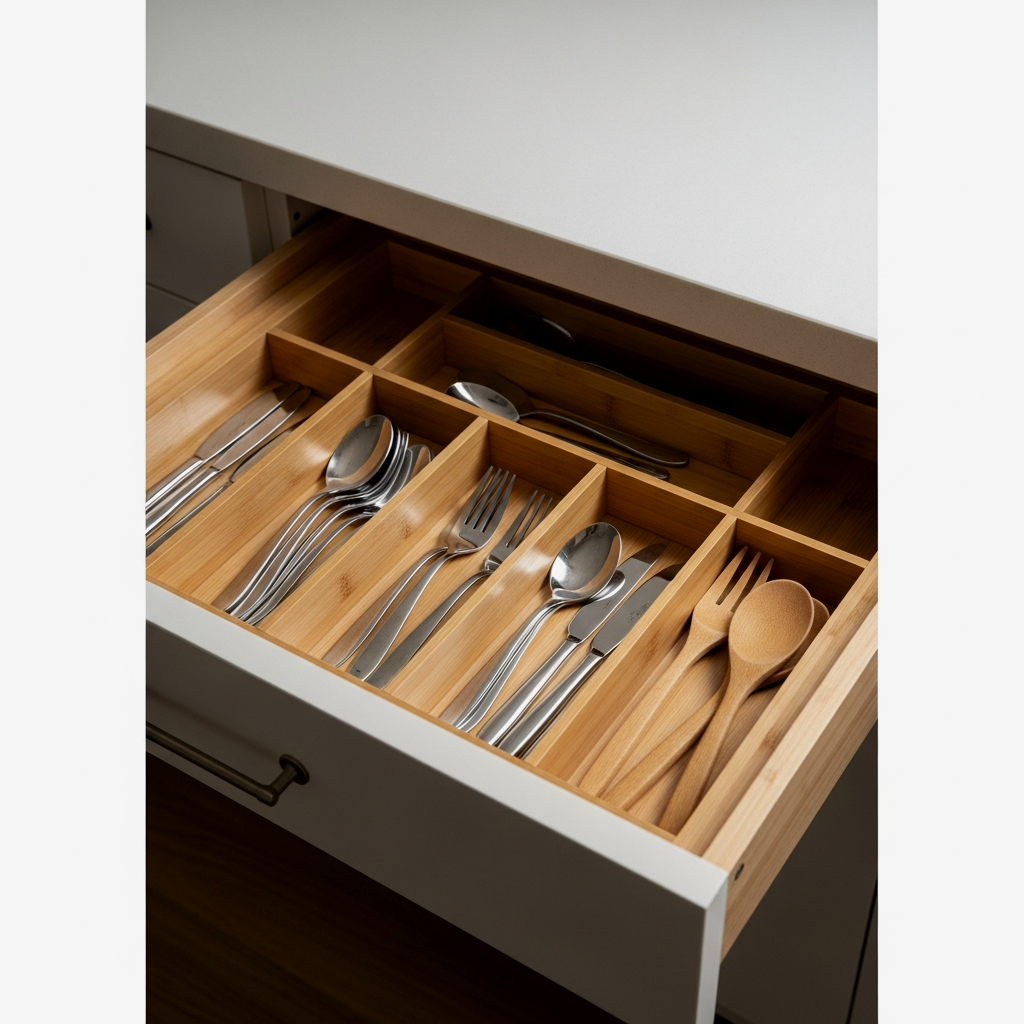
There is a profound sense of relief that comes from opening a drawer and finding exactly what you need at a glance. I often suggest using bamboo dividers to create dedicated homes for your utensils. Unlike plastic, bamboo feels warm and grounded under your fingertips. When you combine these with slim, clear canisters for smaller items like corn picks or tea infusers, you begin to see the abundance you already have rather than focusing on what is missing. It is perfectly fine to make mistakes as you arrange these; simply move things around until the drawer slides shut with a sigh of contentment. For more thoughts on creating this quietude, you might enjoy exploring Little Kitchen Storage Ideas for a Peaceful Home.
The Abundance of Clear Canisters
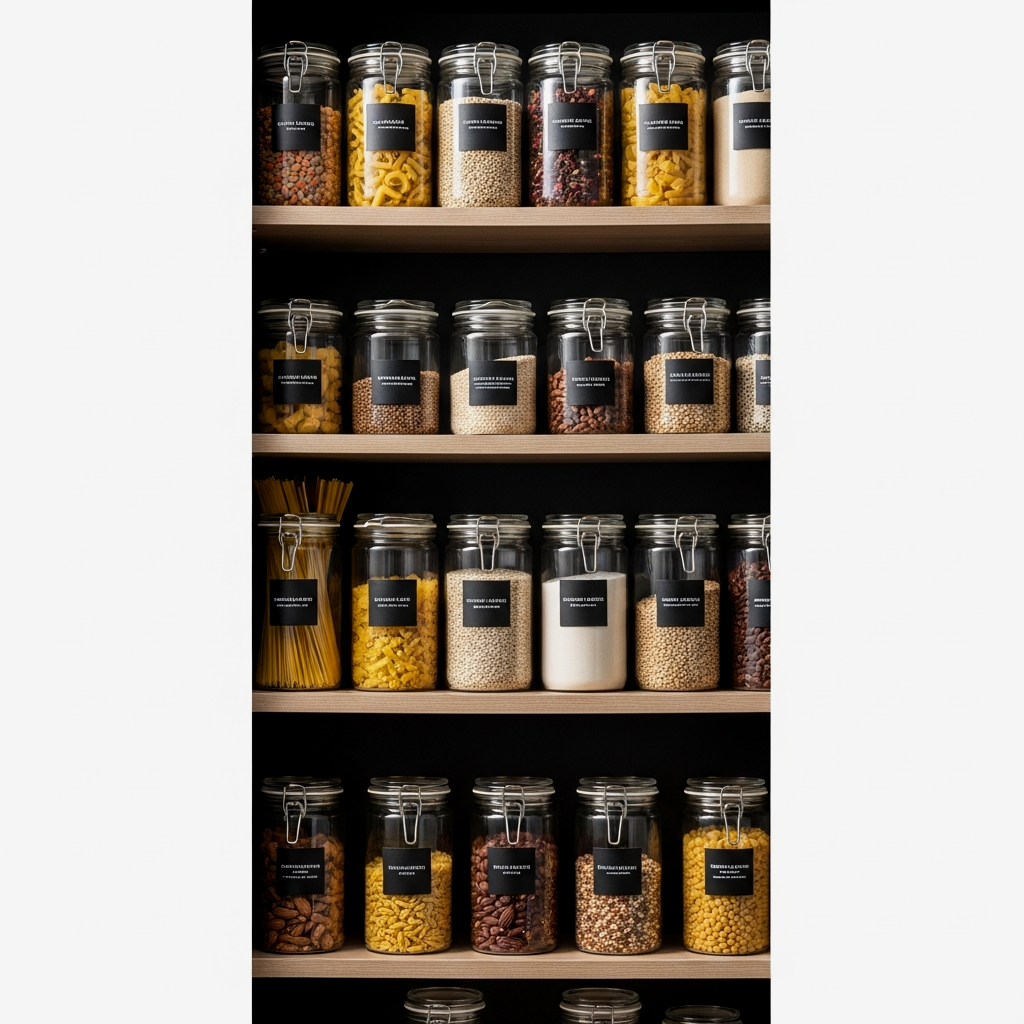
Clear canisters are more than just storage; they are a visual reminder of the nourishment waiting for your family. By transferring flour, sugar, and grains into glass jars, you remove the visual noise of mismatched packaging. This allows the natural colors and textures of your ingredients to become part of your decor. It’s a lovely way to keep track of your staples while creating a sense of calm uniformity in your pantry or on your counter.
Apply small, handwritten labels to the bottom of your canisters with the expiration dates. This keeps the aesthetic clean while ensuring your family always enjoys the freshest ingredients.
The Morning Coffee Station
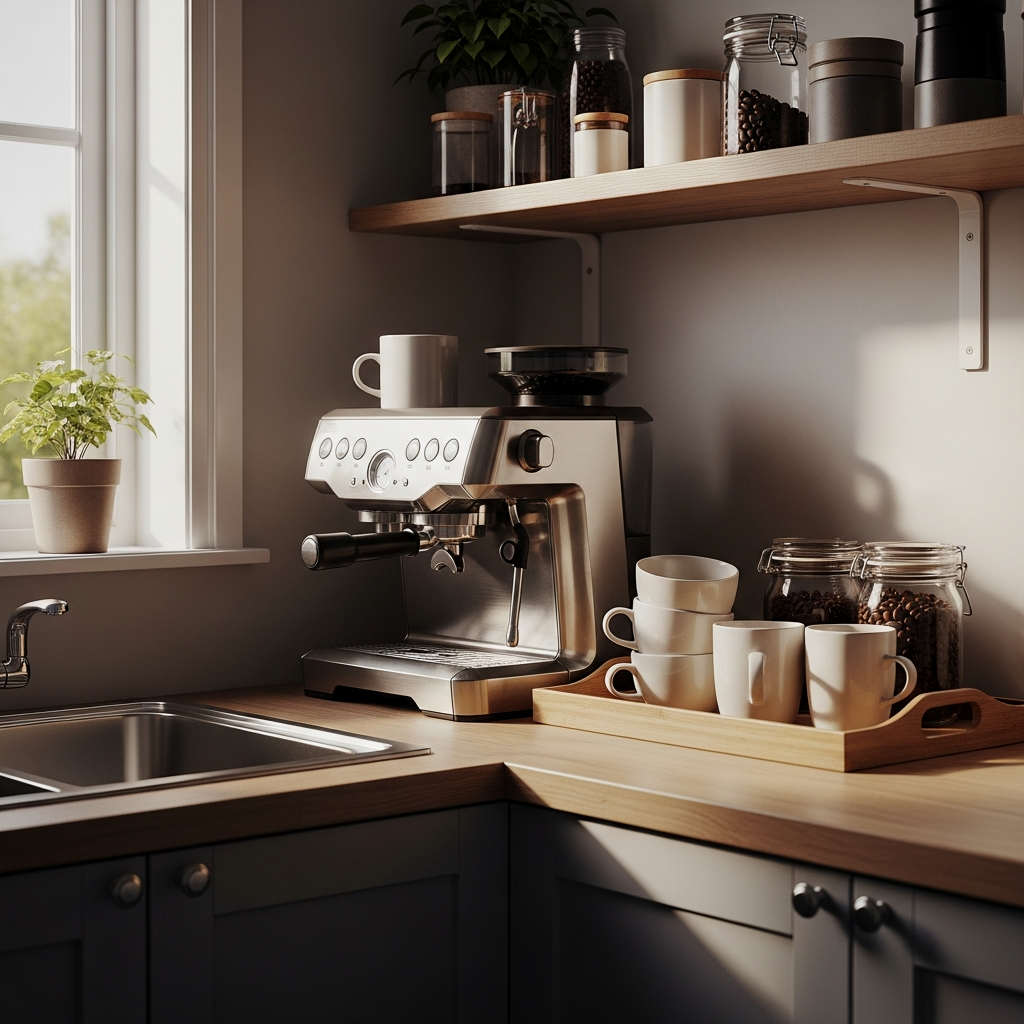
Creating “Zone-Based Living” starts with your morning ritual. Dedicate a small corner of your counter or a specific shelf to your coffee and tea needs. Place your favorite mugs on hooks, keep your coffee beans in a beautiful jar, and store your spoons nearby. When everything for that first cup is in one place, your mornings feel less like a race and more like a gentle invitation into the day. Remember, a little patience goes a long way when teaching the family these new habits of putting things back in their “home.”
The “Daily Reach” Rule: Any item used daily should be visible and accessible within one arm’s reach of its primary use station. If you have to move more than two things to get to it, it’s not in its true home.
The Professional Baking Nook
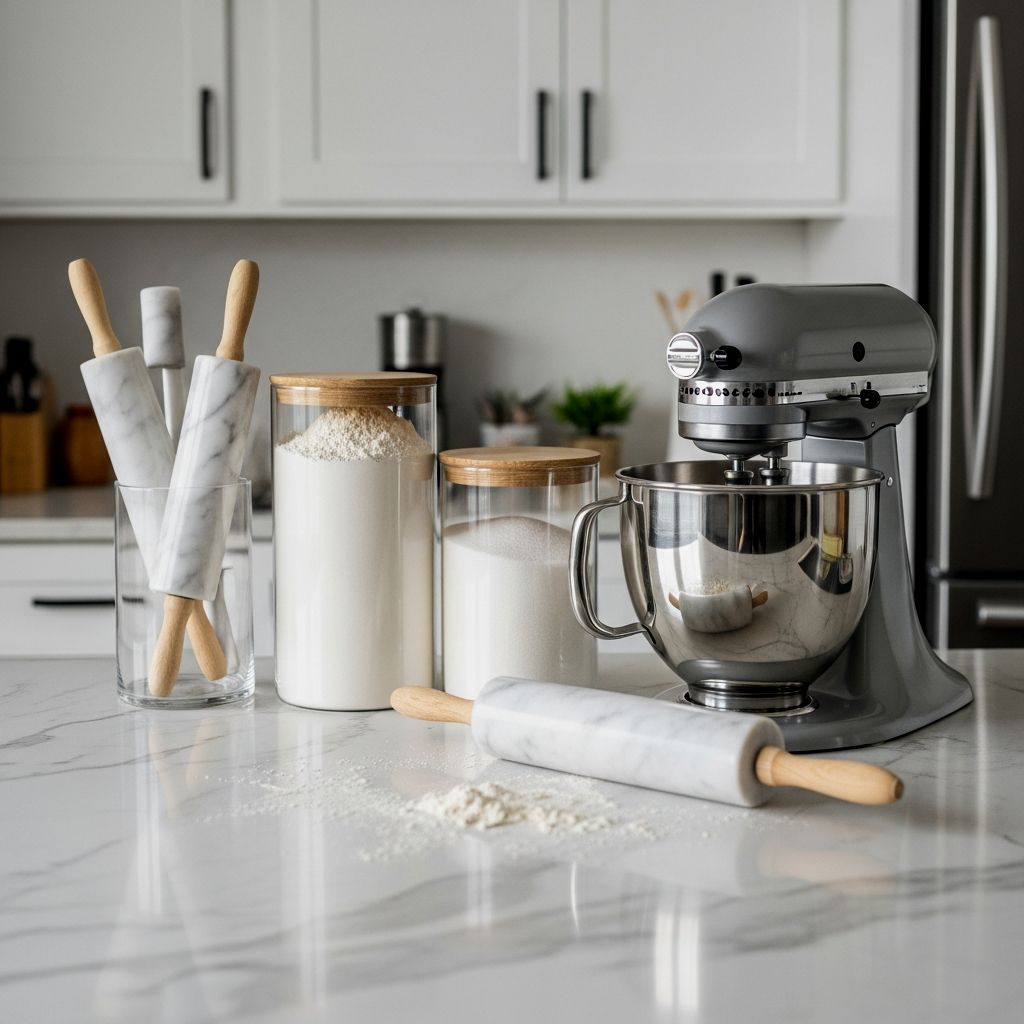
If you love to bake, gather your rolling pins, measuring cups, and stand mixer into one dedicated nook. This “station” approach means you don’t have to wander across the kitchen with floury hands. It creates a space that holds you during those creative hours, making the act of baking feel like the meditative process it should be. Even in a small kitchen, a single dedicated shelf can serve as your professional headquarters.
Store your heavy stand mixer on a sliding “appliance lift” or a simple felt mat so you can glide it forward easily without straining your back or scratching your counters.
The School Lunch Command Center
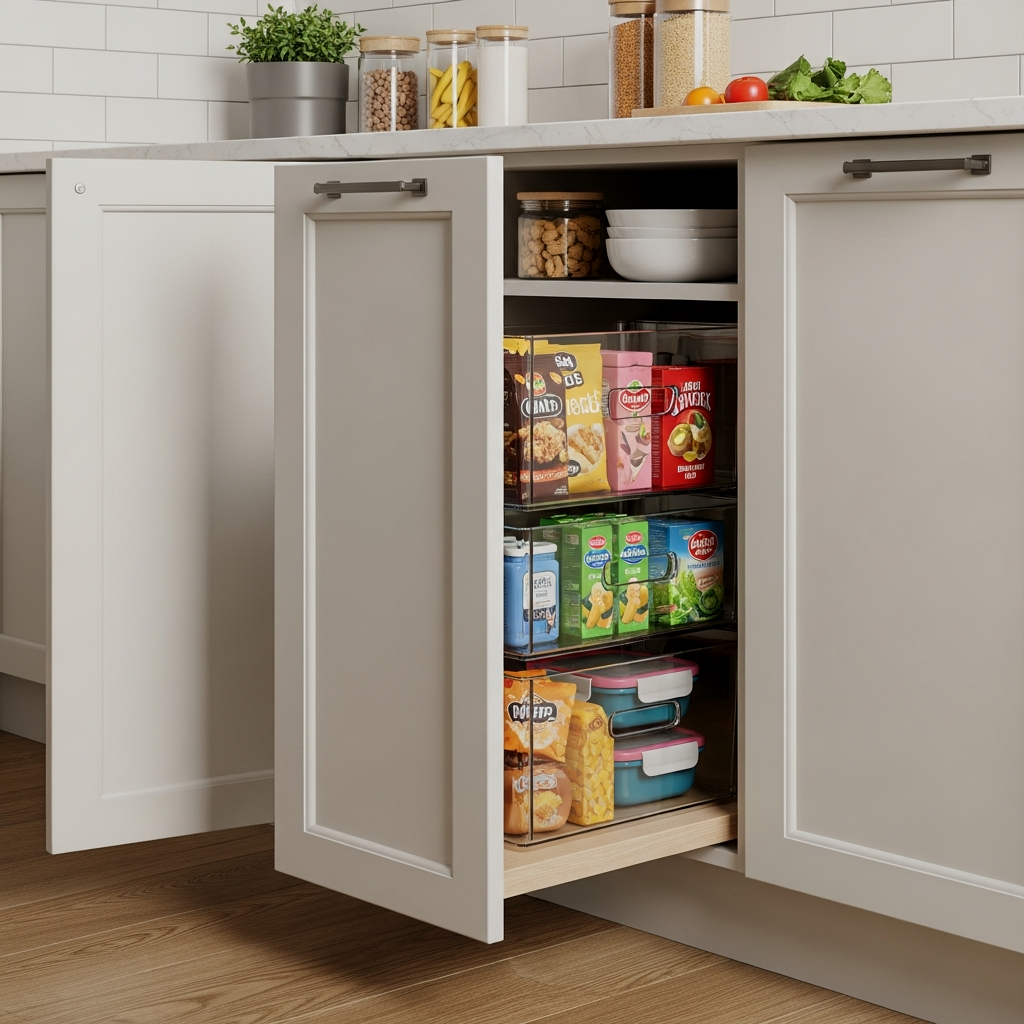
The morning rush can be so taxing on a mother’s heart. By creating a school lunch command center—a specific drawer or basket filled with lunchboxes, reusable containers, and pre-portioned snacks—you reclaim your peace. It empowers the children to help and ensures that you aren’t searching for a missing lid when the bus is just minutes away. Trust the process of organizing this; it may take a week or two for everyone to find the rhythm.
Tiered Spice Perfection
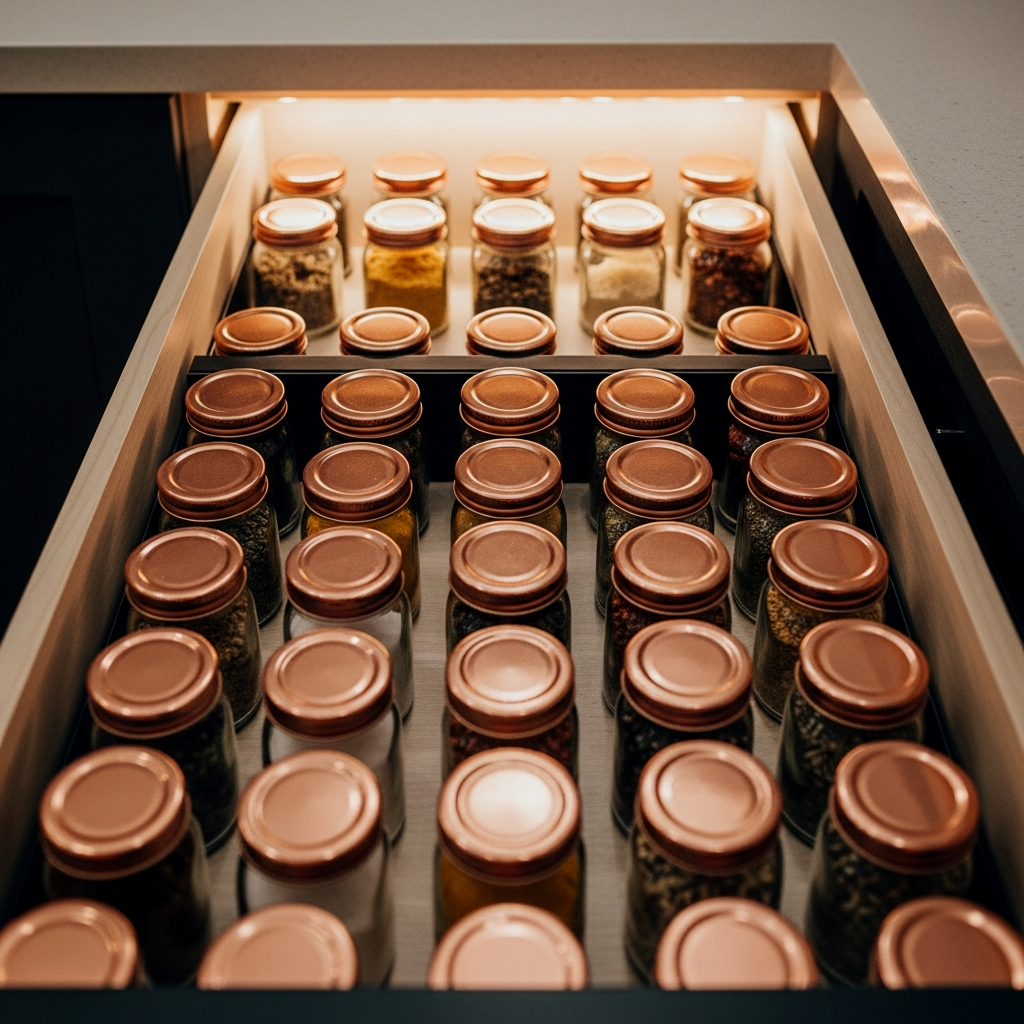
Spices are the soul of cooking, but they often end up lost in the back of a dark cabinet. Tiered risers allow you to see every jar at once, preventing the “double-buy” of cinnamon or cumin. When you can see the vibrant colors of your spices, you’re more likely to experiment and bring new flavors to your family table. It’s a small change that brings immense clarity to your cooking process.
Organize your spices alphabetically, or group them by “flavor family”—like baking spices in one tier and savory herbs in another—to cut down on search time.
The Organized Under-Sink Sanctuary
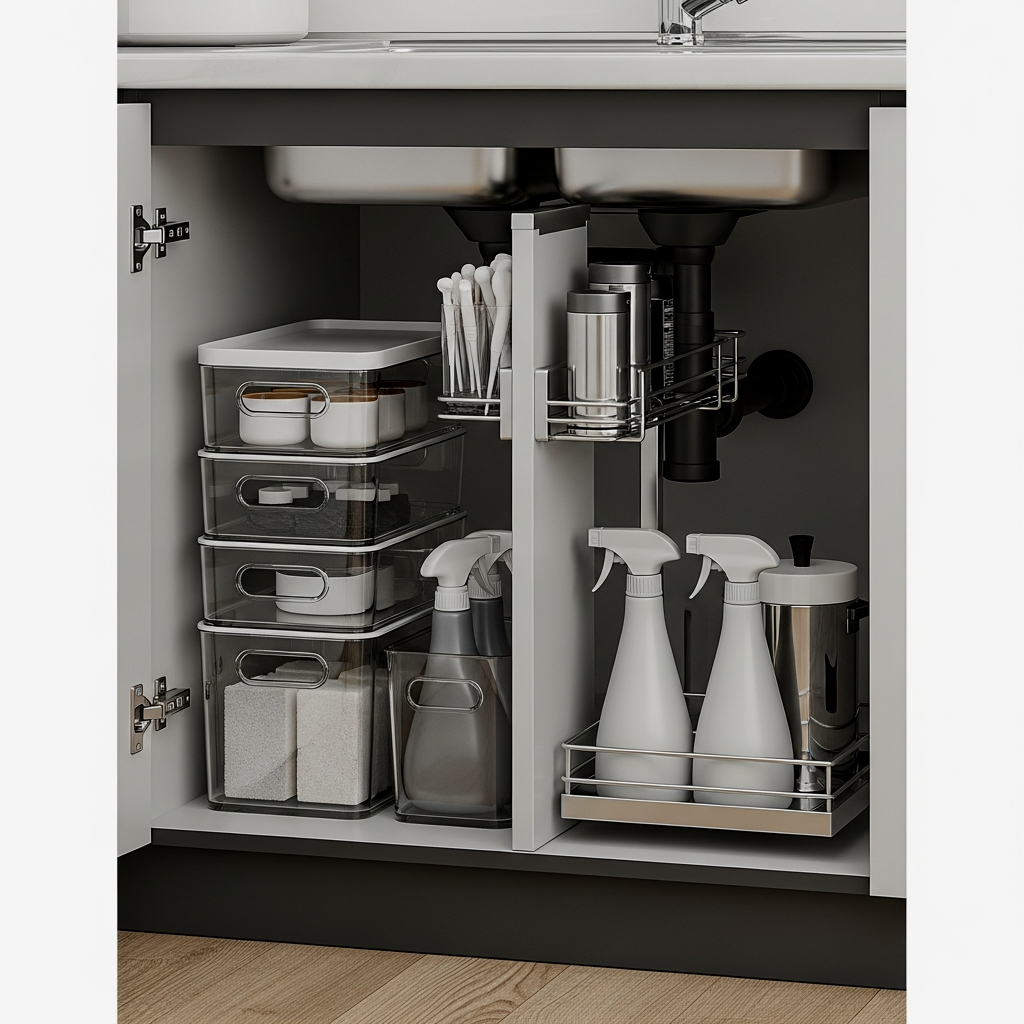
The space under the sink is often neglected, yet it holds the tools we use to keep our homes clean. Use stackable clear bins or a two-tier sliding organizer to tame the bottles and sponges. Creating an under-sink sanctuary means that even the “hidden” parts of your kitchen reflect the care you put into your home. It feels wonderful to open those cabinet doors and see order instead of a jumble of cleaning supplies.
The exact pieces that make these ideas work:
Vertical Cookware Storage
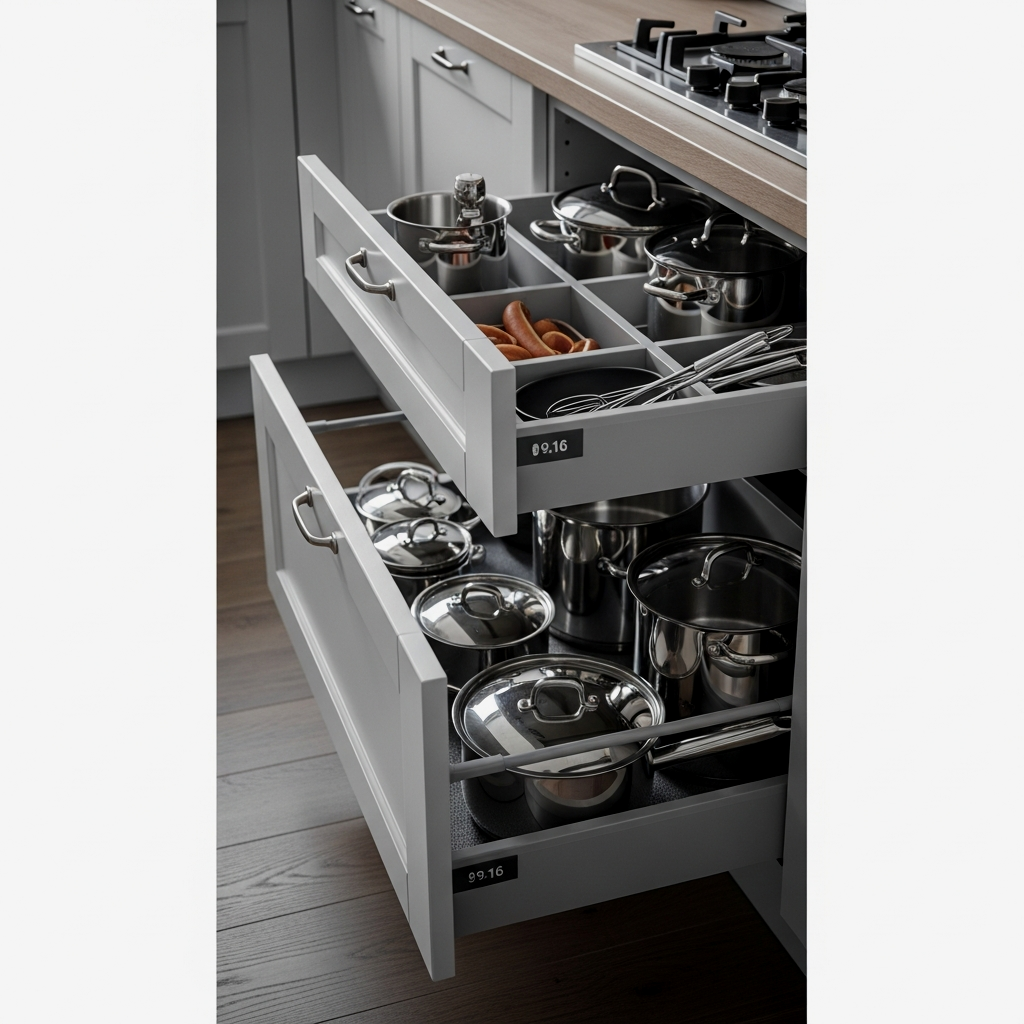
Stacking pans is noisy and often leads to scratches on your precious cookware. By using vertical organizers, you can slide each skillet and lid into its own slot. This simple shift creates a much more peaceful experience when you’re preparing dinner. It’s about creating a kitchen that works with you, rather than against you, allowing you to focus on the love you’re putting into the meal.
Magnetic Culinary Display
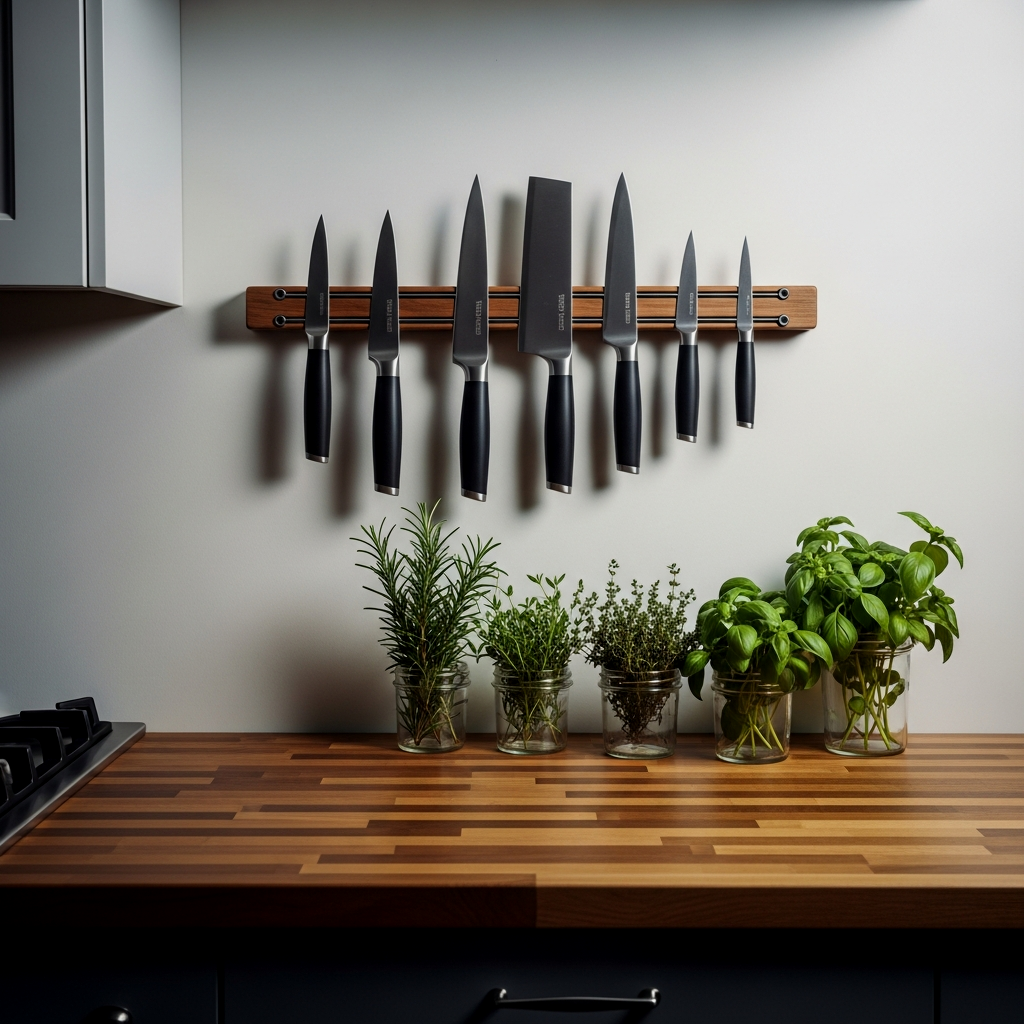
If your counter space is limited, look to your walls. A magnetic knife strip is a beautiful and safe way to store your cutlery. It keeps your most-used tools within reach while freeing up drawer space for other items. There is something very professional and intentional about a magnetic display; it honors the tools of your craft and keeps them dry and sharp.
Don’t limit magnetic strips to knives; use them to hold metal spice tins or even small measuring spoons to clear out even more drawer clutter.
Airy Floating Glassware Shelves
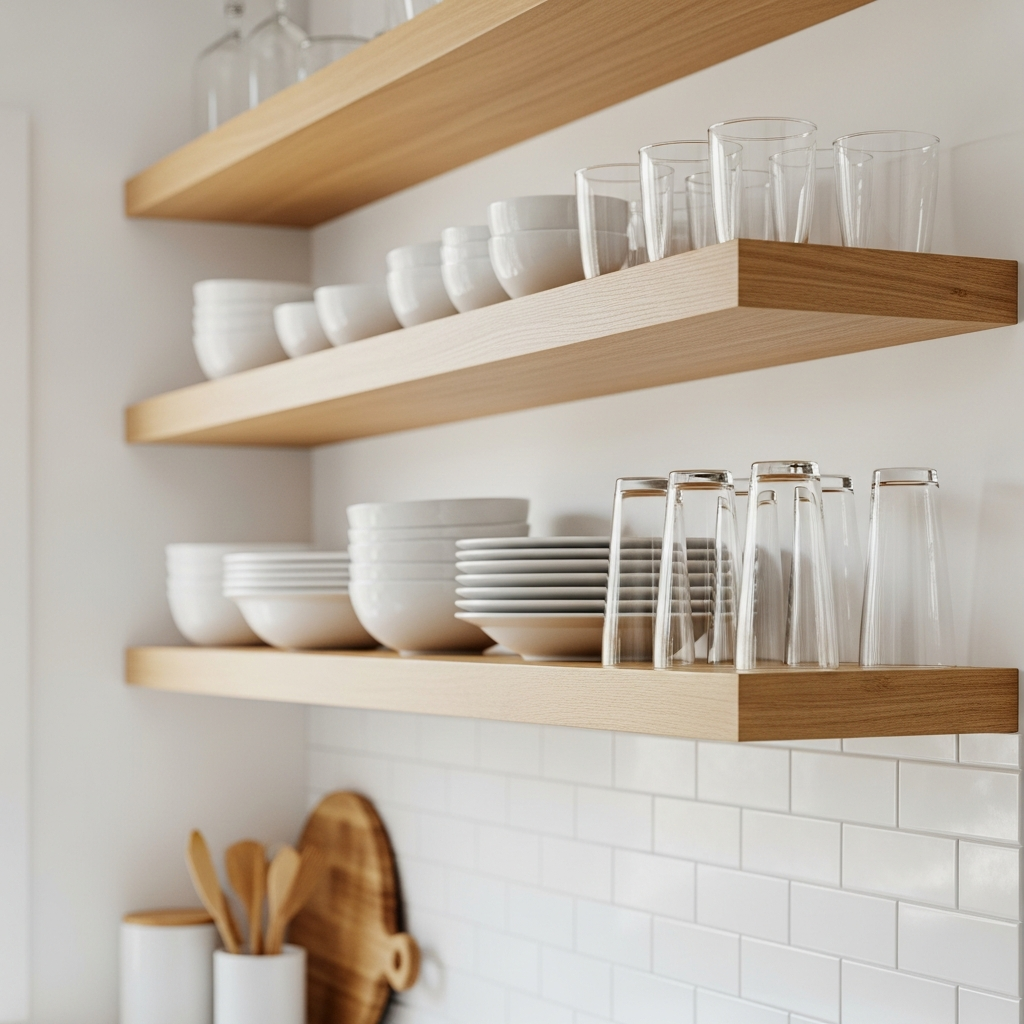
Open shelving can sometimes feel daunting, but for glassware, it is incredibly liberating. Floating shelves allow light to pass through your glasses, making a small kitchen feel much larger. It also encourages you to keep only your most beautiful and useful pieces. When your everyday glasses are displayed with intention, they become part of the room’s soft character.
The Hidden Pull-out Pantry
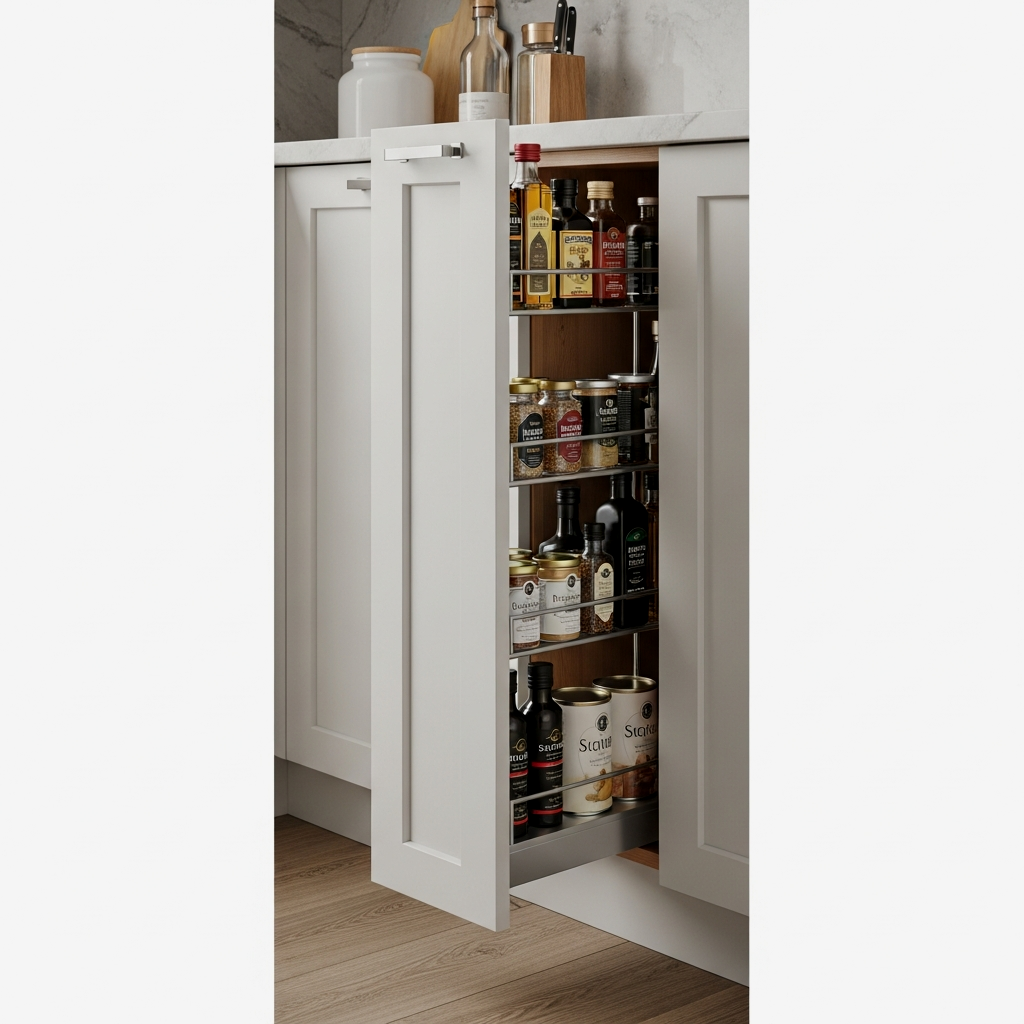
In very small kitchens, even a narrow gap between the fridge and the wall can become a hidden pull-out pantry. These slim rolling carts are perfect for canned goods, oils, and jars. It’s a wonderful way to utilize every inch of your space. Trust that even the smallest “nook” can serve a purpose when approached with a bit of creativity and a willing heart.
If you find your pull-out pantry is getting cluttered, use small tension rods horizontally to act as “fences” for your items so they don’t tip over when the rack moves.
To maximize deep cabinets where things go to die, use extra-long “lazy susans” or turntables. By bringing the back of the cabinet to the front with a simple spin, you eliminate the need to ever dig for a jar again. It’s the single most effective way to manage depth in a small kitchen.
The Window Sill Herb Garden
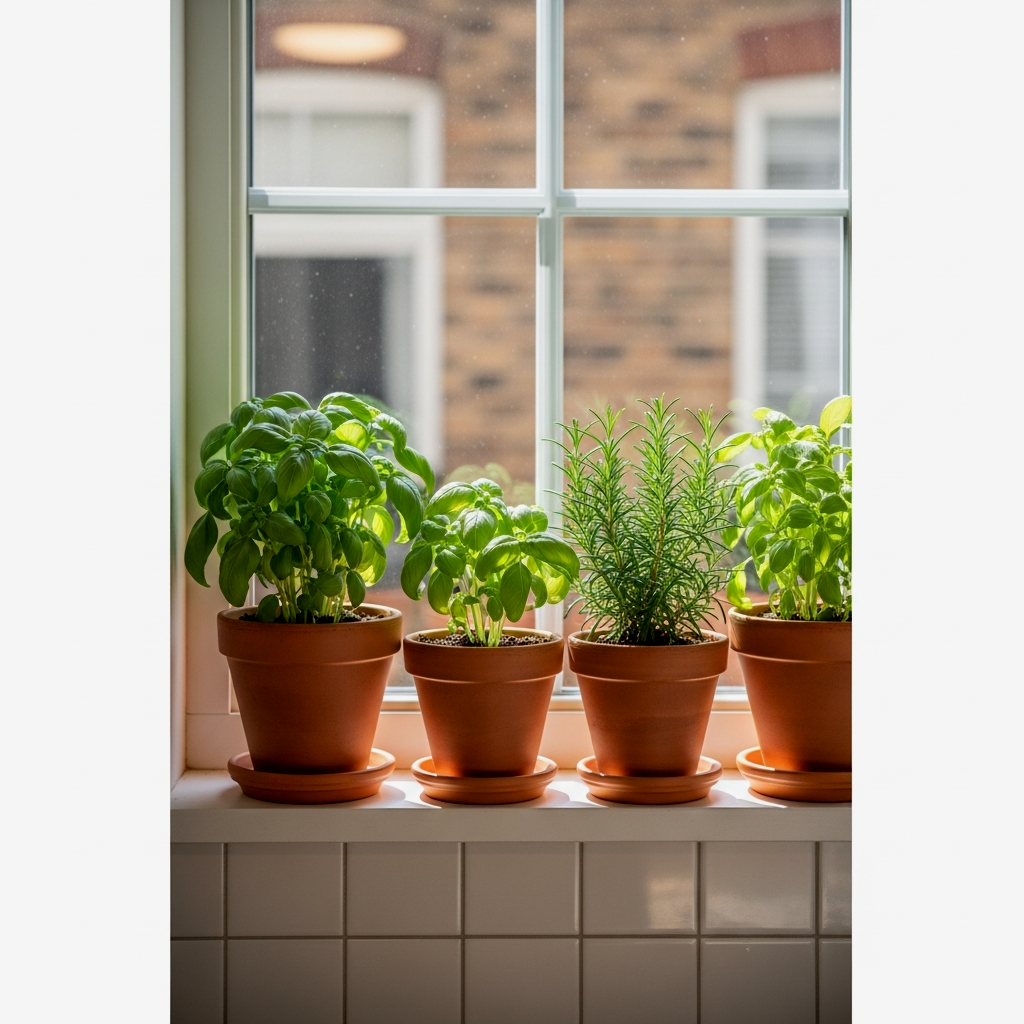
There is nothing quite like the smell of fresh basil or mint while you work. A window sill herb garden keeps your flavorings right where you need them while adding a touch of living greenery to your kitchen. Small terracotta pots arranged in a neat row bring a timeless, earthy feel to the room. It’s a gentle reminder of growth and the beauty of slow, home-grown nourishment.
Serene Tea Collection Drawer
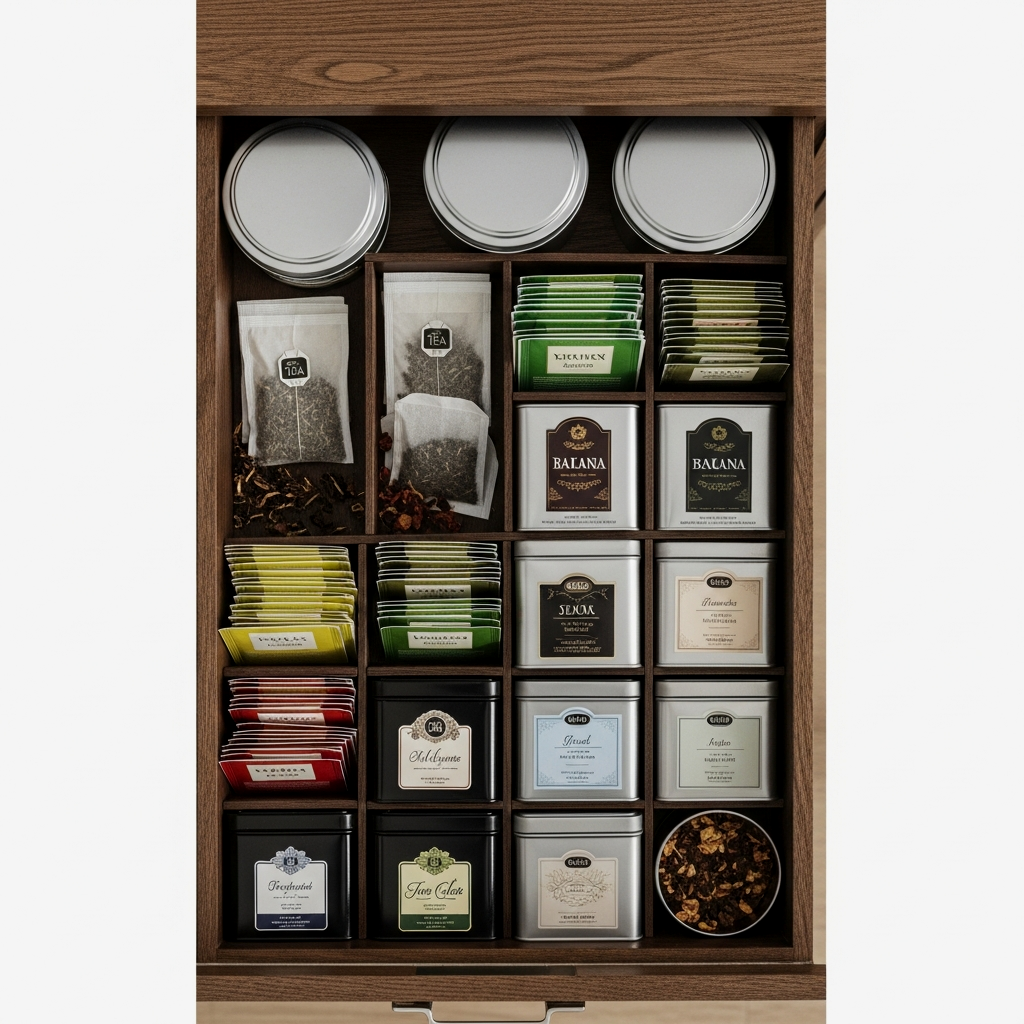
For those who find comfort in a warm cup of tea, a dedicated tea drawer is a small luxury. Use small dividers to separate your Earl Grey from your chamomile. Seeing the variety of teas laid out so neatly turns the simple act of choosing a flavor into a moment of self-care. It’s perfectly fine to take your time arranging these until they look just right to your eye.
Line your tea drawer with a scented or textured paper to add an extra sensory layer of joy every time you open it to prepare a brew.
The Designer Countertop Tray
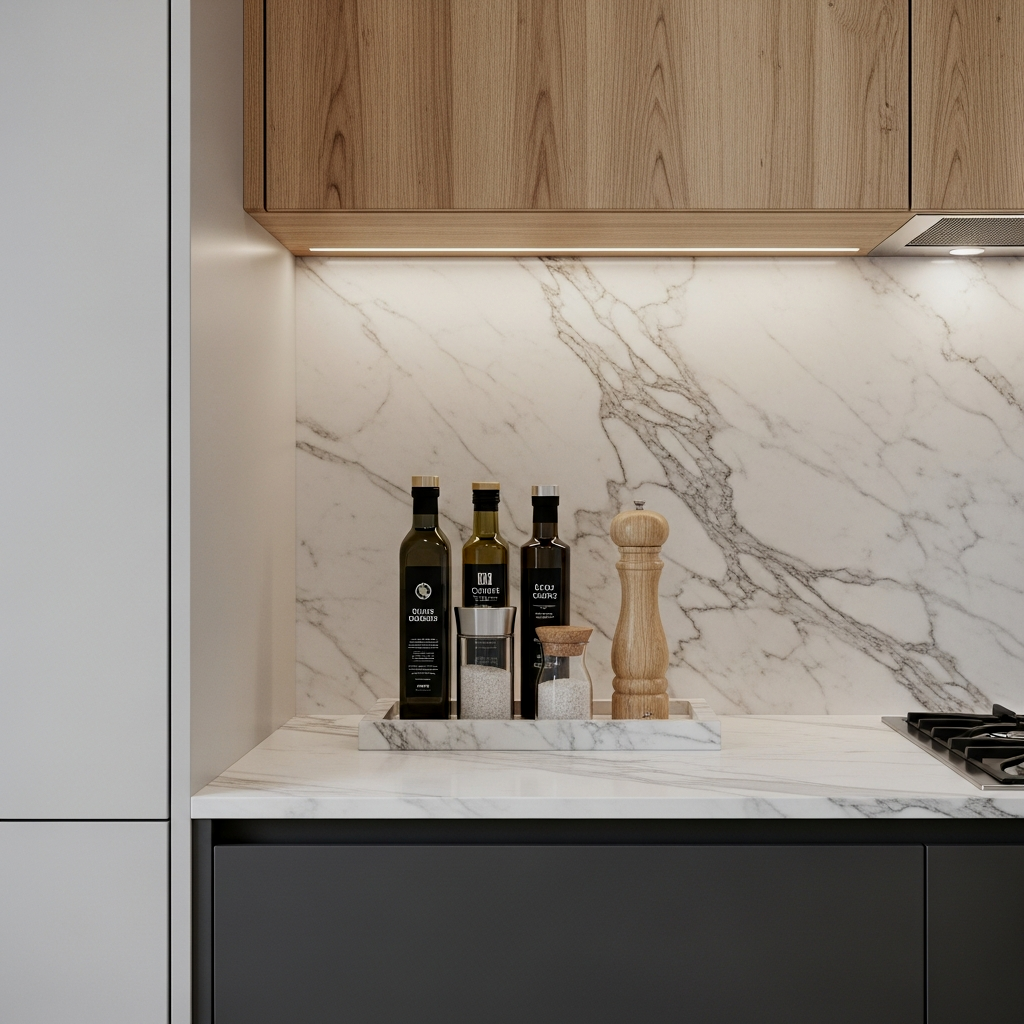
Sometimes, the secret to organization isn’t hiding things away, but grouping them with intention. A beautiful wooden or marble tray can hold your salt cellar, olive oil, and a pepper mill. By placing them on a tray, you turn three separate items into one cohesive “moment.” This is a key element of adding Soft Touches: Little Kitchen Decorating Ideas to your functional space.
Vertical Board and Tray Slots
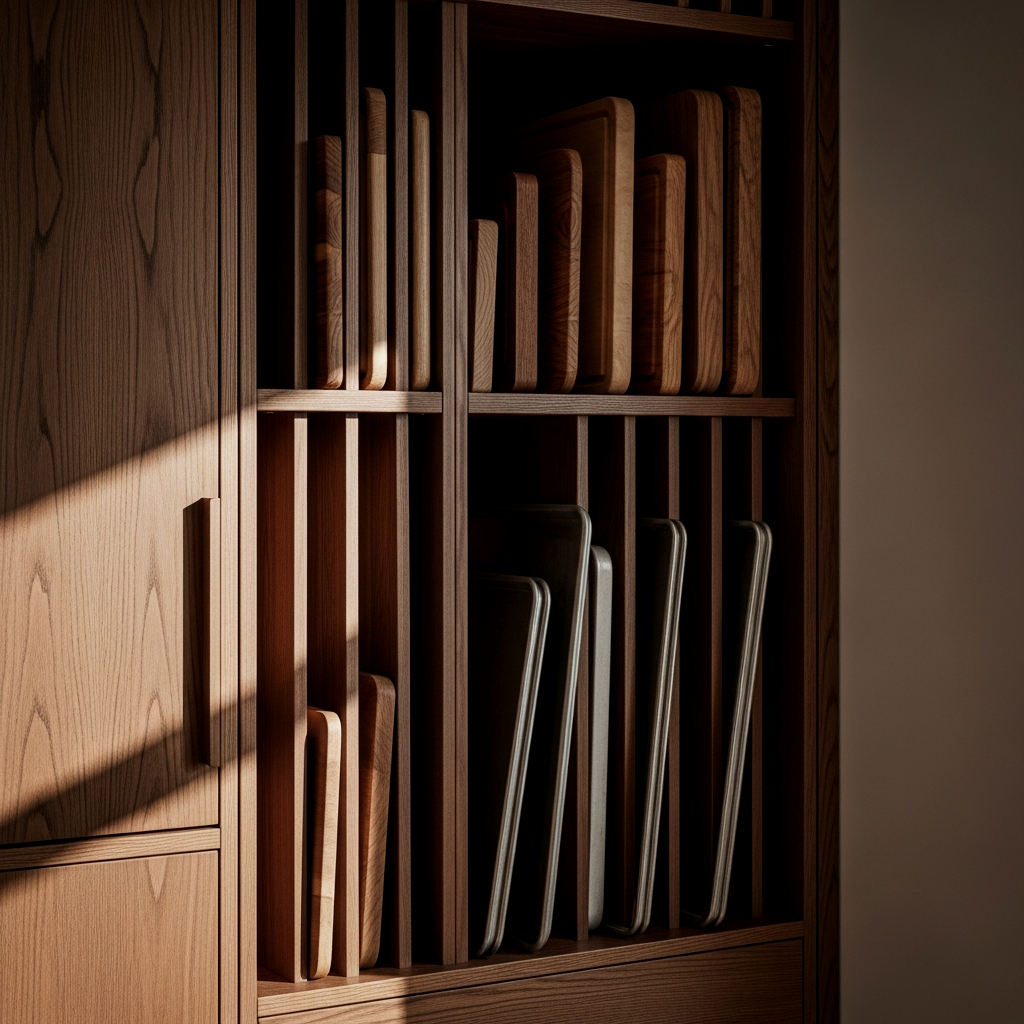
Cutting boards and baking sheets are notoriously difficult to store horizontally. By installing simple vertical dividers in a lower cabinet, you can store them like books on a shelf. This makes it so easy to grab the exact board you need without unstacking a heavy pile. It honors the weight and importance of these daily workhorses.
Family Habit Message Center
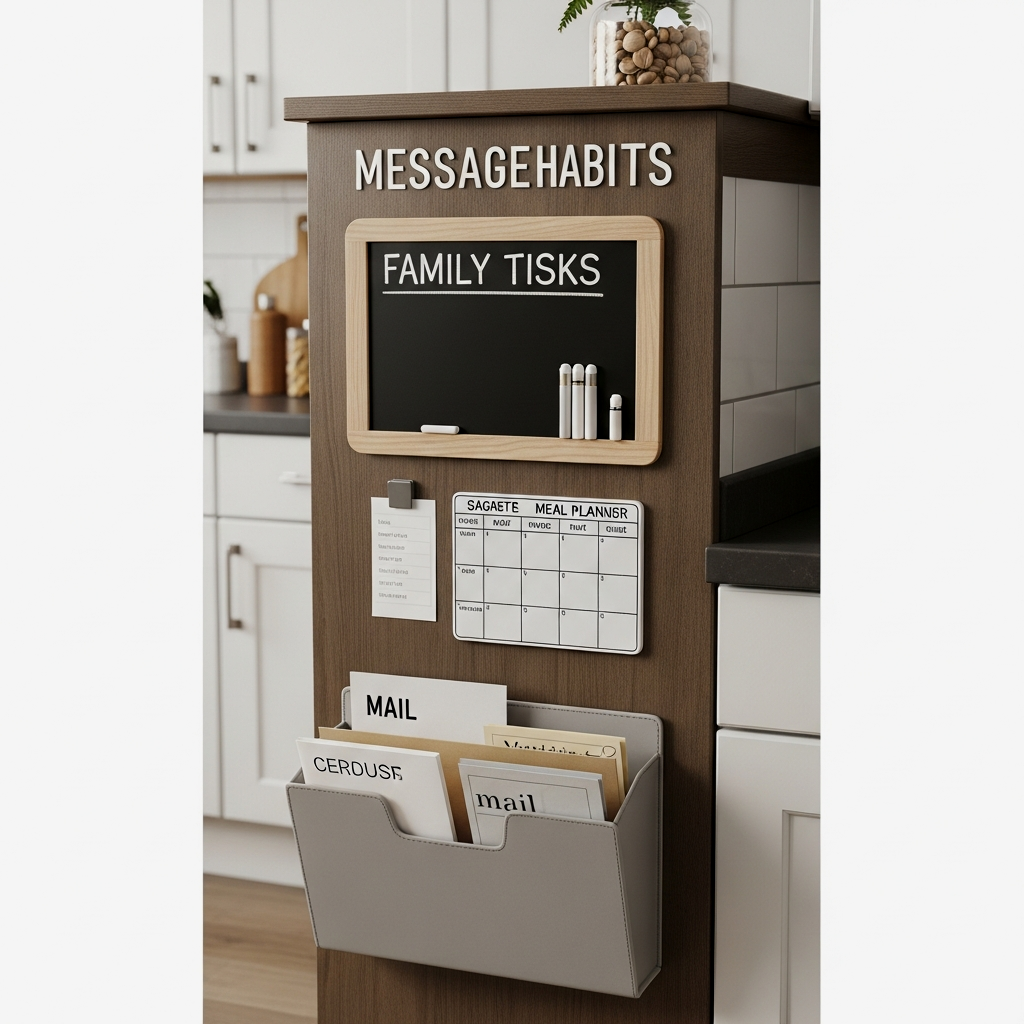
A small message center—perhaps a chalkboard or a simple framed corkboard—helps the whole family stay on the same page. Use it for grocery lists, weekly menus, or sweet notes to one another. When the “mental load” of the kitchen is shared visibly, the space feels lighter for everyone. A little patience goes a long way as you encourage everyone to use this new hub.
Mount your message center on the inside of a pantry door if you prefer to keep your visual space clear while still having a functional spot for family notes.
Tiered Fruit and Produce Baskets
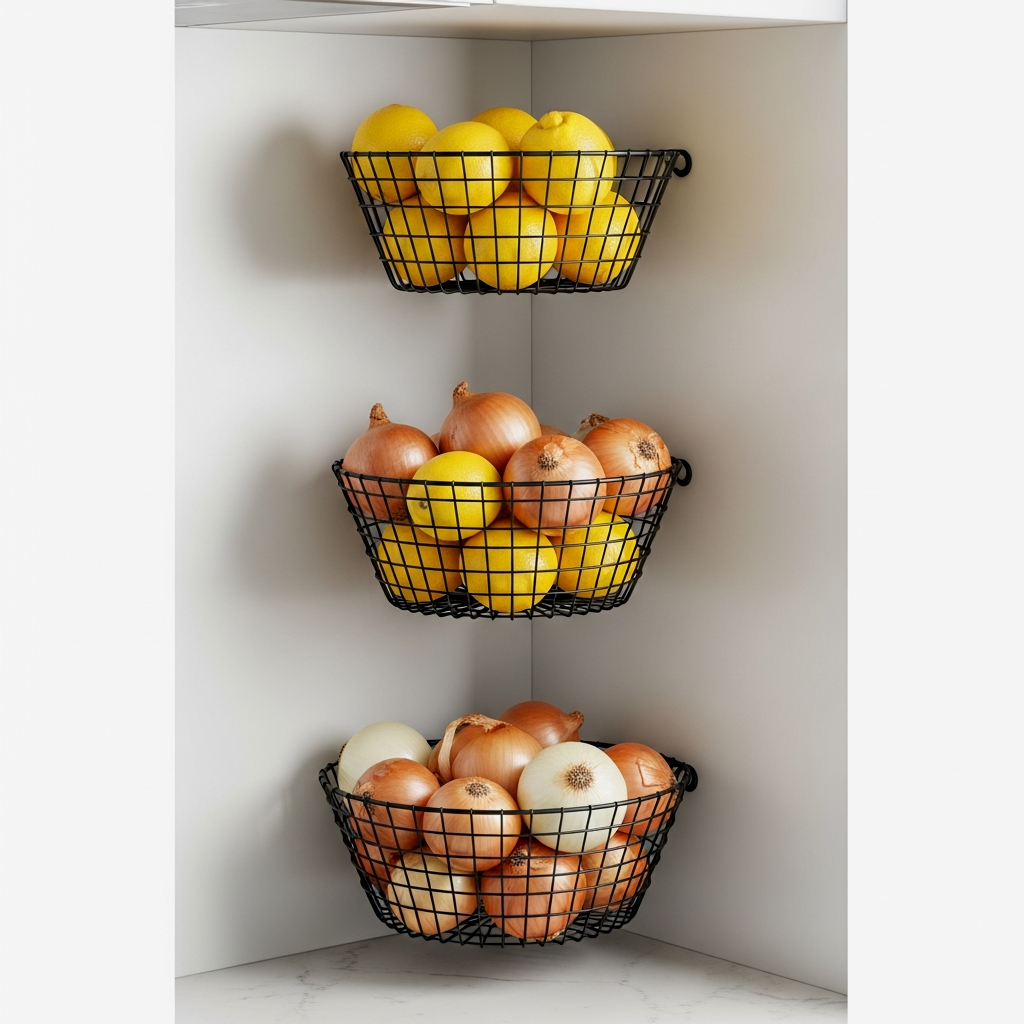
Fruit and vegetables often take up valuable counter space. Hanging tiered baskets or a beautiful countertop fruit stand can keep your produce aerated and visible. Not only does this help prevent food waste, but the vibrant colors of oranges, apples, and onions bring a natural, rustic beauty to your kitchen that no store-bought decor can match.
📏 A Place for Everything: Little Kitchen Organization Ideas Quick-Win Checklist
- Empty and Wipe: Start with one drawer, empty it completely, and wipe it clean before reorganizing.
- Group by Use: Keep items you use together (like baking supplies) in the same physical zone.
- Maximize Height: Use shelf risers or stackable bins to use the vertical space often wasted in tall cabinets.
- Label for Clarity: Use a simple label maker or pretty tags so the whole family knows where things go.
- The “One In, One Out” Rule: For every new kitchen gadget you bring home, find one to donate or pass on.
The Ultimate Lid Organizer
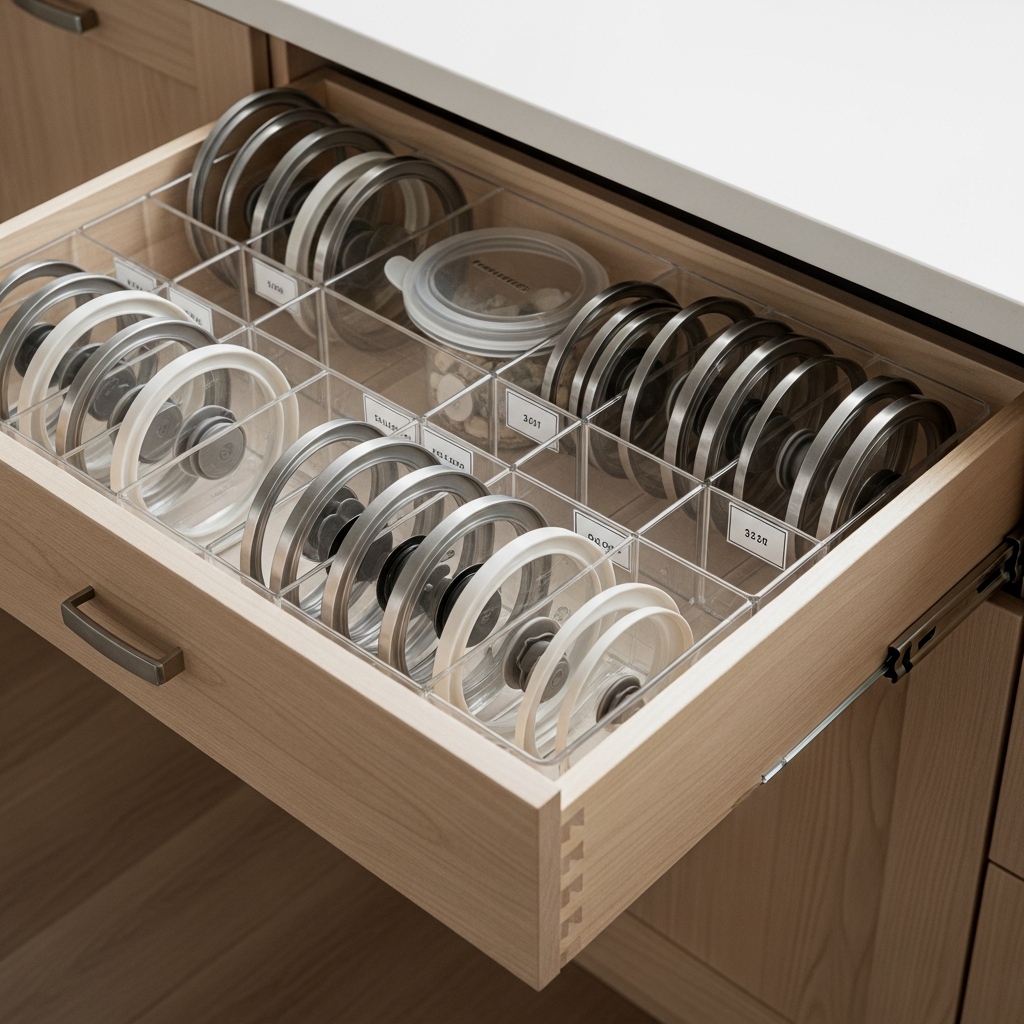
We have all felt the frustration of a lid avalanche. A simple wire lid organizer can keep your pot and container lids standing upright and in order. It is a small investment that pays dividends in daily peace of mind. As you finish this final step of your organization journey, take a moment to breathe and enjoy the quiet harmony you’ve created in your kitchen.
Creating a home that holds you is a journey of a thousand small, loving choices. As you tuck your whisks into their new bamboo homes and line up your glass canisters, remember to enjoy the journey. These little organization ideas are simply tools to help you find more time for what truly matters: gathering around the table with the people you love. For a broader look at how to infuse your entire cooking space with this same warmth and wisdom, do visit the Heart of the Home: 20 Loving Little Kitchen Ideas to Maximize Your Space. It’s perfectly fine to take it one drawer at a time. You are doing a wonderful job.
Frequently Asked Questions
What is the best way to start organizing a very small kitchen?
Start with a gentle decluttering. Remove anything you haven’t used in the past year. Once you have narrowed your belongings down to what you truly love and use, you can begin to assign “homes” for everything based on how you move through the room during your daily tasks.
How do I keep my family from messing up my new systems?
Labeling is your best friend here. When a drawer or bin is clearly marked, it removes the guesswork for children and partners. Also, remember that a little patience goes a long way; it takes time for new habits to stick, so offer gentle reminders with a smile.
Is it expensive to organize a kitchen well?
Not at all. While bamboo and glass are lovely, you can start with what you have. Repurposed mason jars, sturdy shoeboxes for drawer dividers, and even simple tension rods can transform a space on a very modest budget. The value is in the order, not the price tag.
How often should I re-evaluate my kitchen organization?
I recommend a quick “refresh” with every change of season. Our needs change—perhaps you bake more in the winter and make more salads in the summer. A quarterly check-in allows you to shift your “active zones” to match your current rhythm.
What should I do if I have a “junk drawer” that feels impossible to fix?
Be kind to yourself! Every home has a spot that collects the bits and bobs of life. Empty it completely, use small containers to categorize the “junk” (batteries, stamps, pens), and commit to only keeping items that don’t have a better home elsewhere.