13 Japandi Texture Ideas to Warm Up Your Minimalist Space
I have a confession to make: for the longest time, I thought “minimalism” meant my living room had to look like a high-end dentist’s waiting room. I’m talking cold, flat, and honestly, a little soul-crushing. I was so focused on clearing the clutter that I accidentally cleared out all the personality, too. If your room feels a little bit ‘blah’, you’re probably missing texture. Genuinely life-changing: add a chunky wool rug over a jute base.
We’re talking raw wood grains, handmade ceramic vases, and waffle-knit throws. I cannot stress this enough—the mix of ‘rough’ and ‘smooth’ is what makes a room feel designed rather than just decorated. When you’re trying to nail those 25 Japandi Living Room Ideas to Finally Master the Art of Zen Minimalist Style, texture is the secret sauce that stops “minimal” from feeling “empty.” It’s about creating a space that asks to be touched, not just looked at.
✨ Before You Start: 13 Japandi Texture Ideas to Warm Up Your Minimalist Space Mindset
Essential Textures to Transform Your Home
Layered Chunky Wool and Jute Rugs
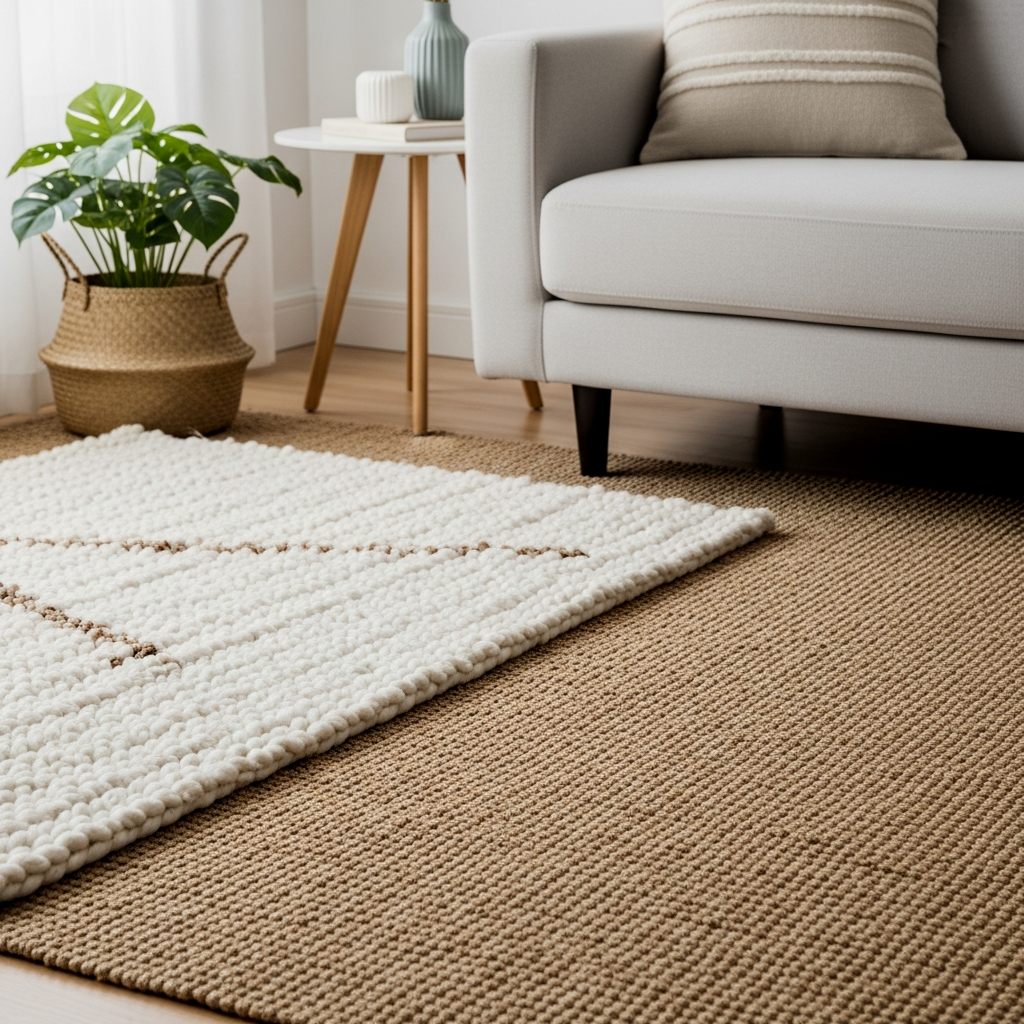
If you want to ground your space instantly, this is the move. No seriously, the combination of a flat-weave jute rug underneath a plush, off-white chunky wool rug creates a depth that a single carpet just can’t touch. It’s the ultimate “warm minimalist” foundation. I used to think one rug was enough, but once you see the way the light hits the different fibers, you’ll never go back.
Raw Wood Grain Coffee Table
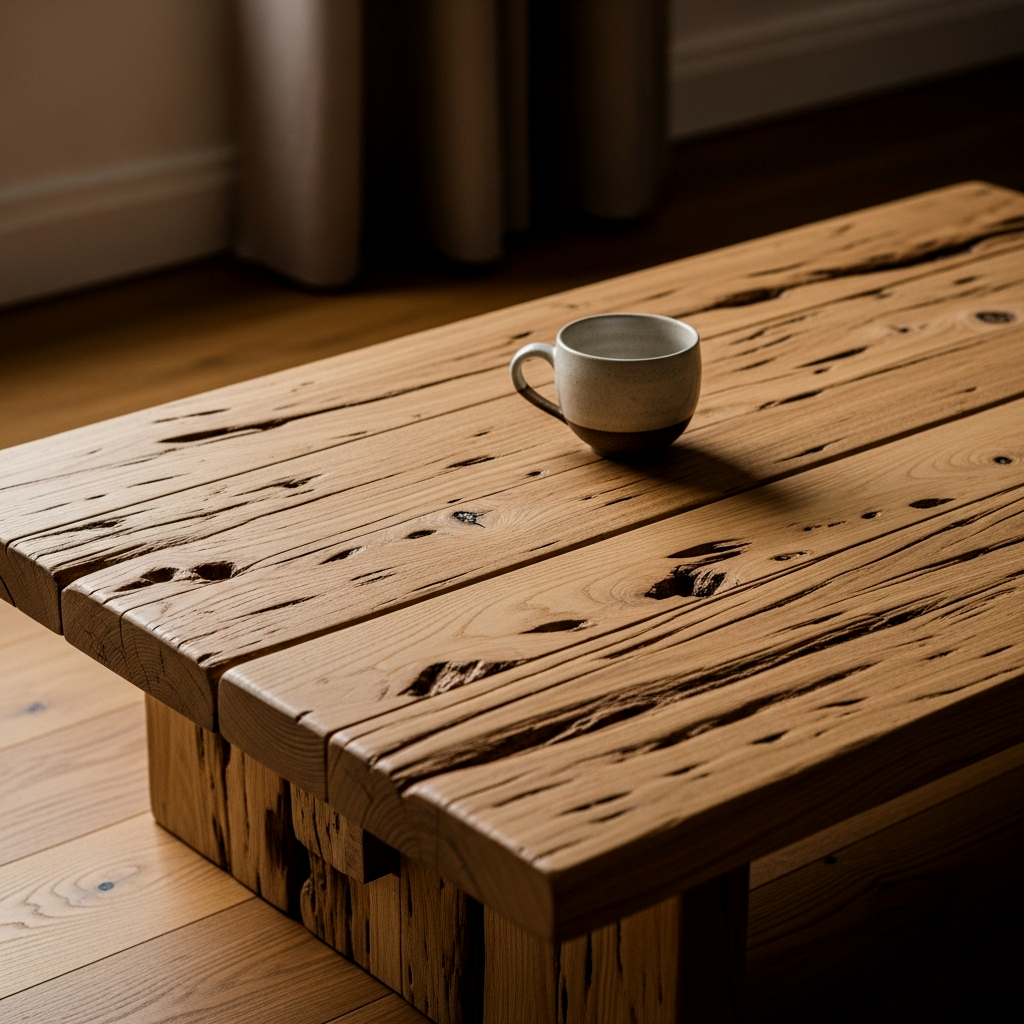
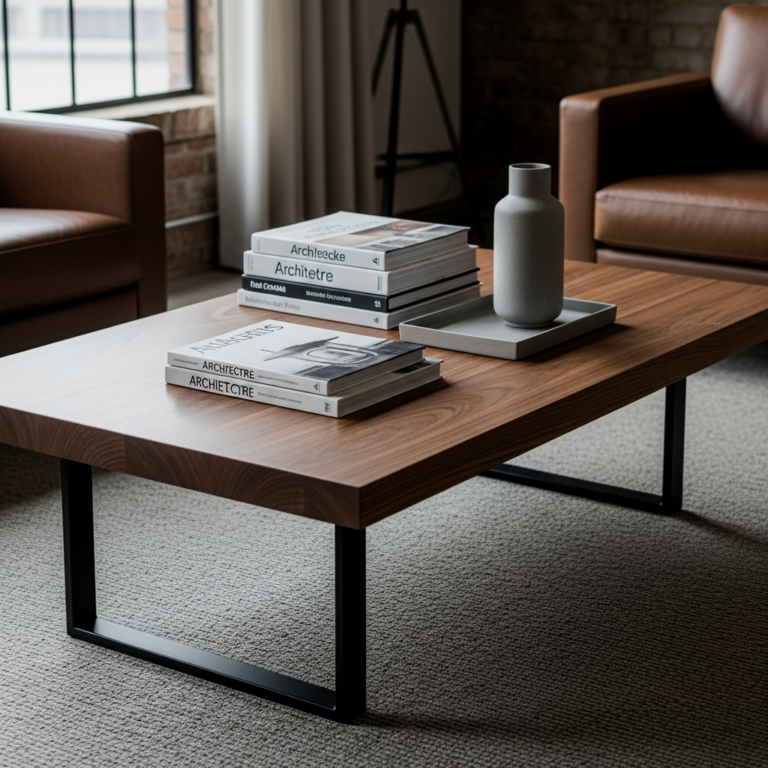
Stop buying furniture with a plastic-looking laminate finish. This is the one: a solid oak or walnut coffee table where you can actually see and feel the grain. In Japandi design, wood isn’t just a material; it’s a living element. A raw, matte finish allows the natural knots and swirls to act as a piece of art in the center of your room.
Handmade Textured Ceramic Vases
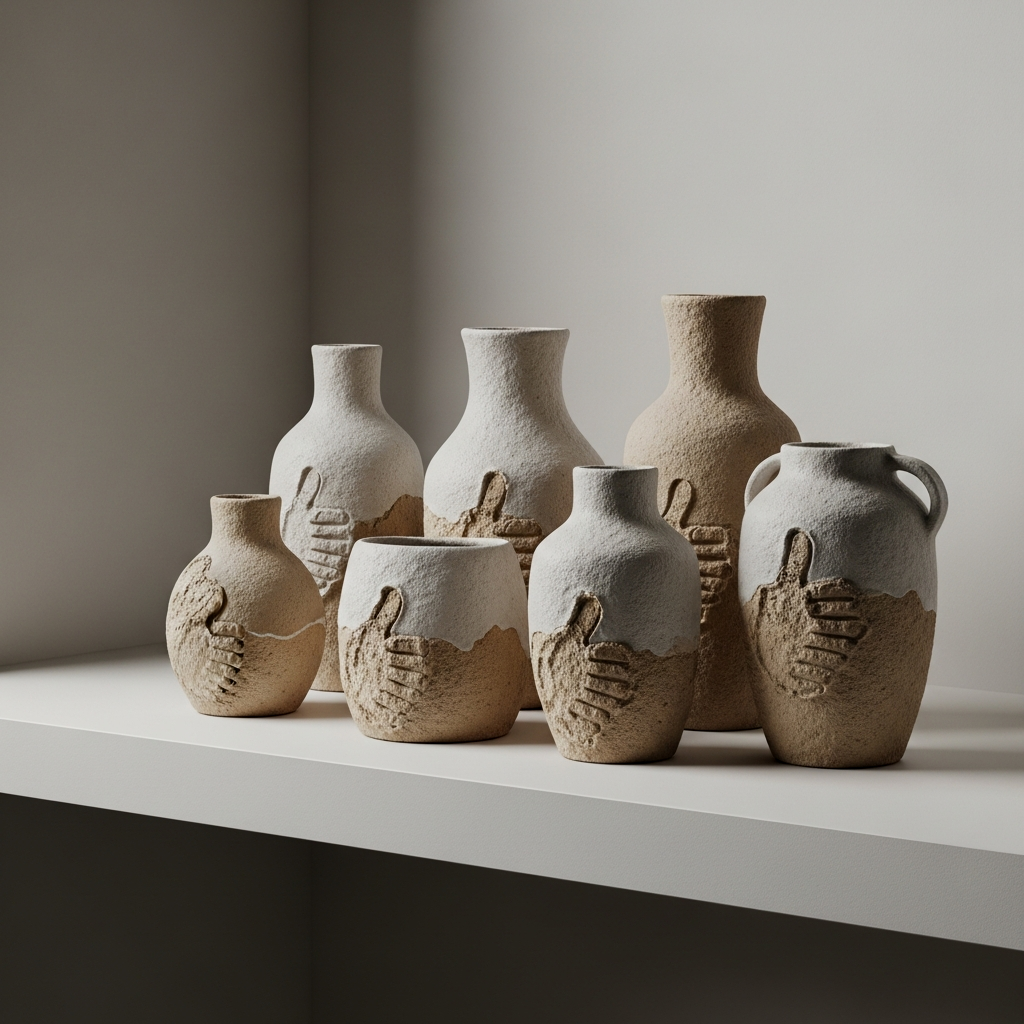
The difference is unreal when you swap mass-produced glass for a vase that has a bit of grit to it. Look for ceramics that are partially unglazed or have a “sand” finish. These small touches provide a tactile break from the smooth surfaces of your tech or shelving, giving the eye a place to rest and appreciate the craftsmanship.
Follow the “Rule of Three Textures” for every surface: pair something smooth (glass/metal), something rough (stone/wood), and something soft (linen/wool) to achieve a balanced, professional look.
Waffle-Knit Cotton Throws
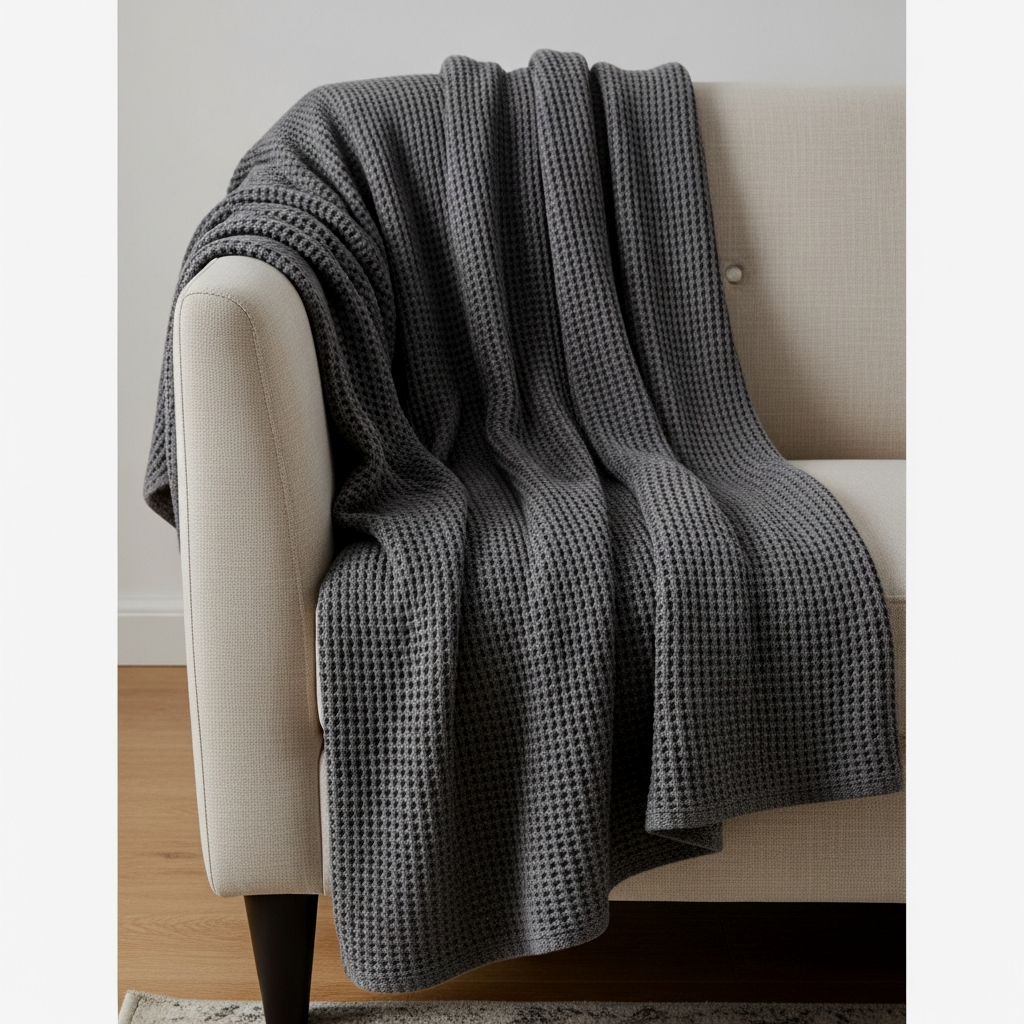
I am obsessed with the way a waffle-knit throw looks draped over the corner of a sofa. Unlike a flat fleece blanket, the honeycomb structure of the knit creates tiny shadows and highlights. It adds volume without looking messy, which is exactly the balance we’re trying to strike in a Japandi home.
Heavy-Weave Linen Upholstery
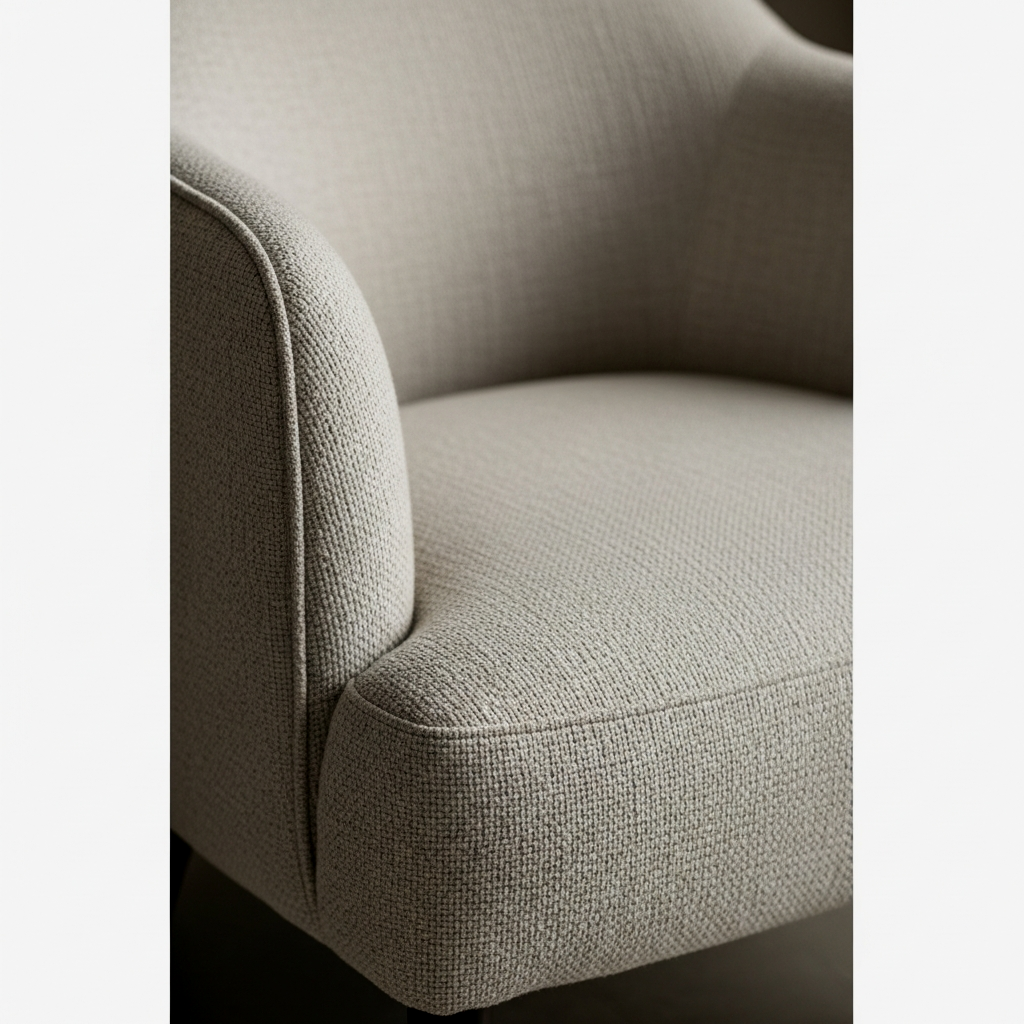
Trust me on this one: if you’re choosing a new sofa or armchair, go for a heavy-weave linen. It’s breathable, looks incredibly expensive, and has that perfectly “undone” look that keeps a minimalist room from feeling too stiff. It’s the textile equivalent of a perfectly tailored linen shirt—effortlessly chic.
Rough Stone Side Tables
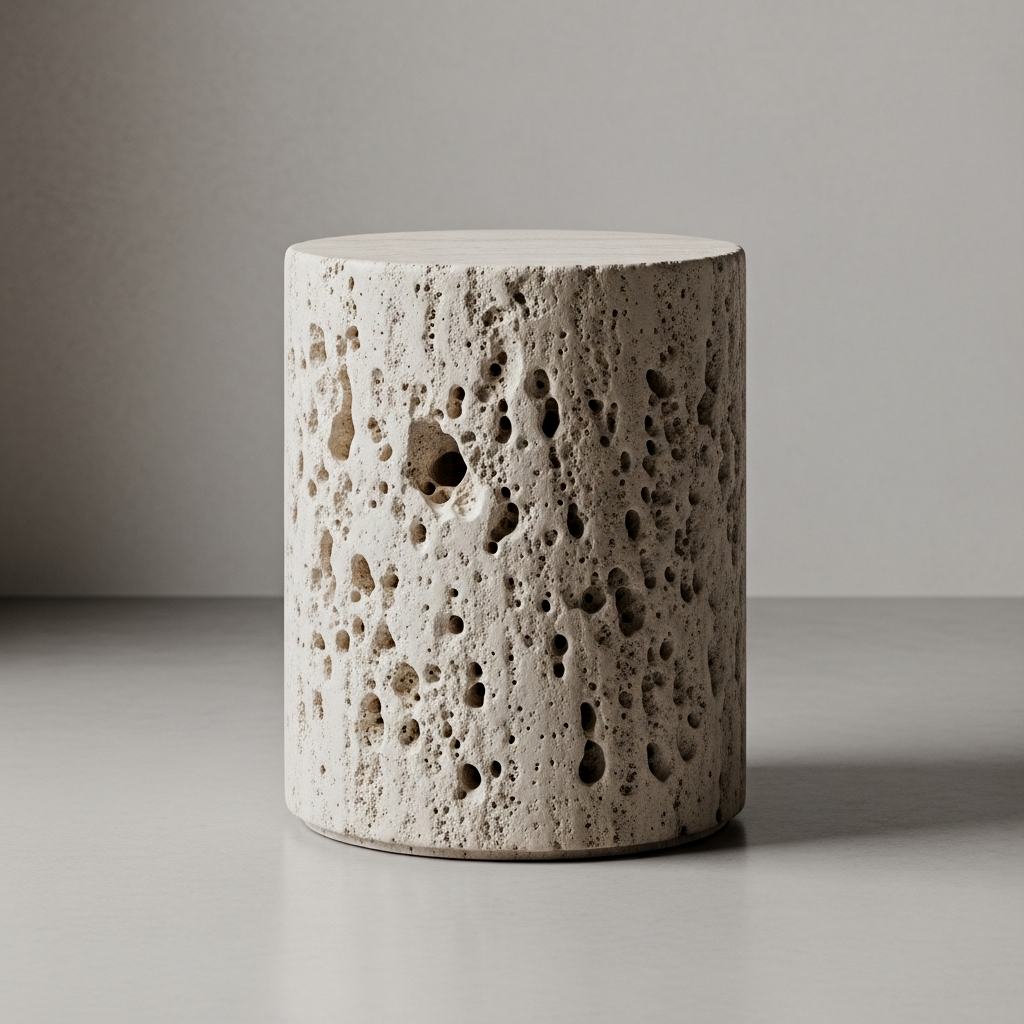
No seriously, adding a piece of travertine or lava stone to your room changes the entire energy. Japandi is all about bringing the outdoors in, and nothing does that better than a side table that looks like it was carved straight from a cliffside. The “cold” stone actually warms the room up visually because of its organic, irregular texture.
Tactile Nubby Bouclé Accents
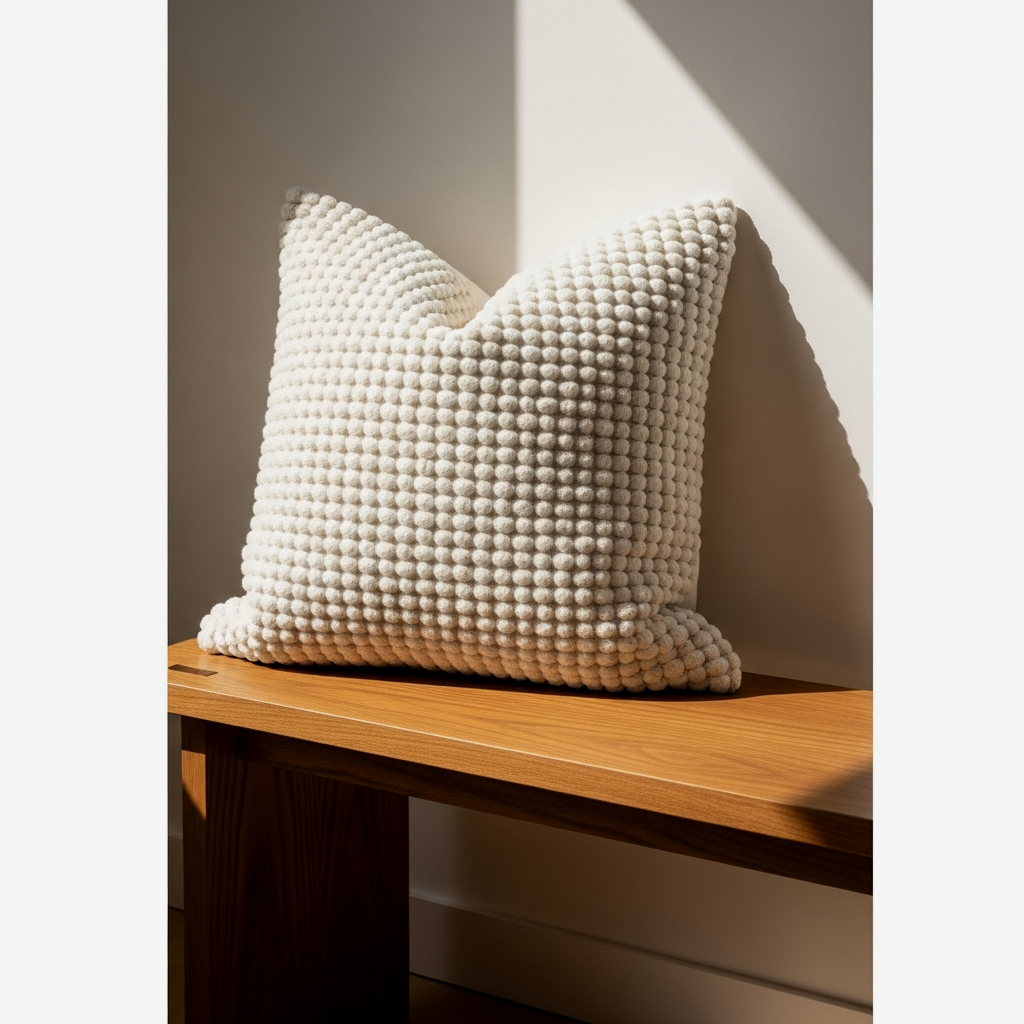
Do not sleep on this trend just because you see it everywhere—there’s a reason for the hype. A bouclé accent chair or even just a couple of pillows adds a soft, “cloud-like” texture that balances out the hard edges of Scandi-style furniture. It’s cozy, sophisticated, and feels like a warm hug for your living room.
The exact pieces that make these ideas work:
Fibrous Washi Paper Lanterns
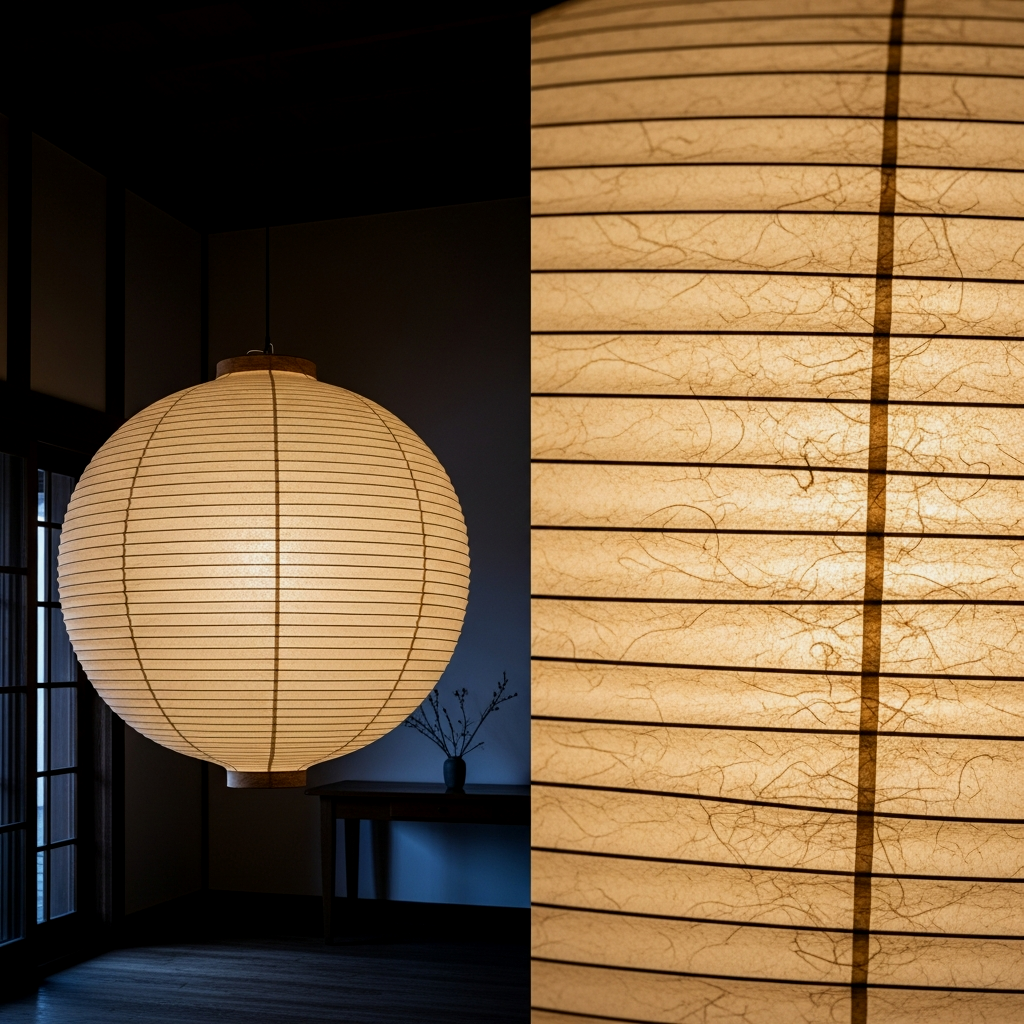
I wish someone had told me sooner that lighting is about more than just the bulb. A traditional Washi paper lantern diffuses light through visible plant fibers, creating a soft, ethereal glow that plastic or glass shades just can’t replicate. It adds a delicate, papery texture to the upper half of your room.
Vertical Wood Slat Feature
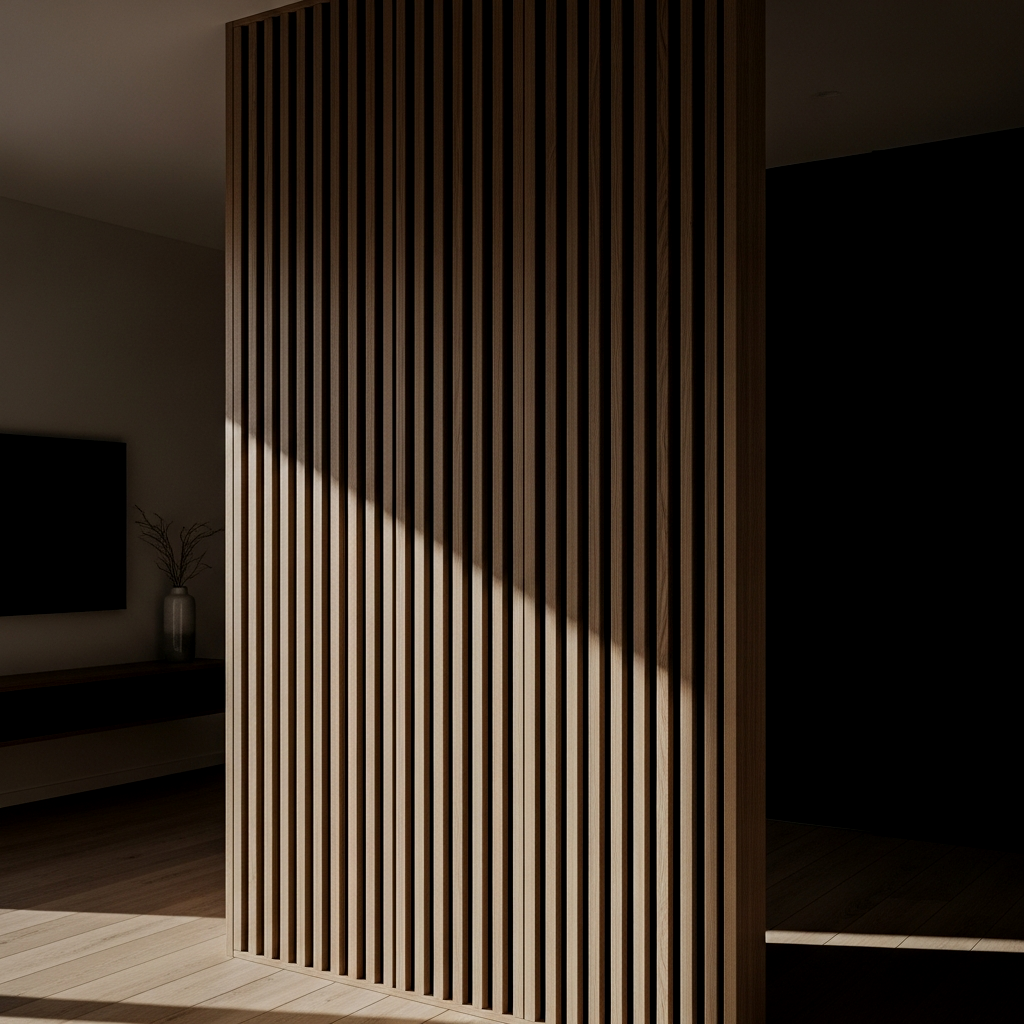
This is my best kept secret for making a standard apartment look like a custom-designed Zen retreat. Adding vertical wood slats (or “tambour” panels) to a small section of a wall or the back of a kitchen island adds incredible architectural depth. The rhythm of the slats creates a visual texture that feels both modern and timeless.
Natural Woven Cane Details
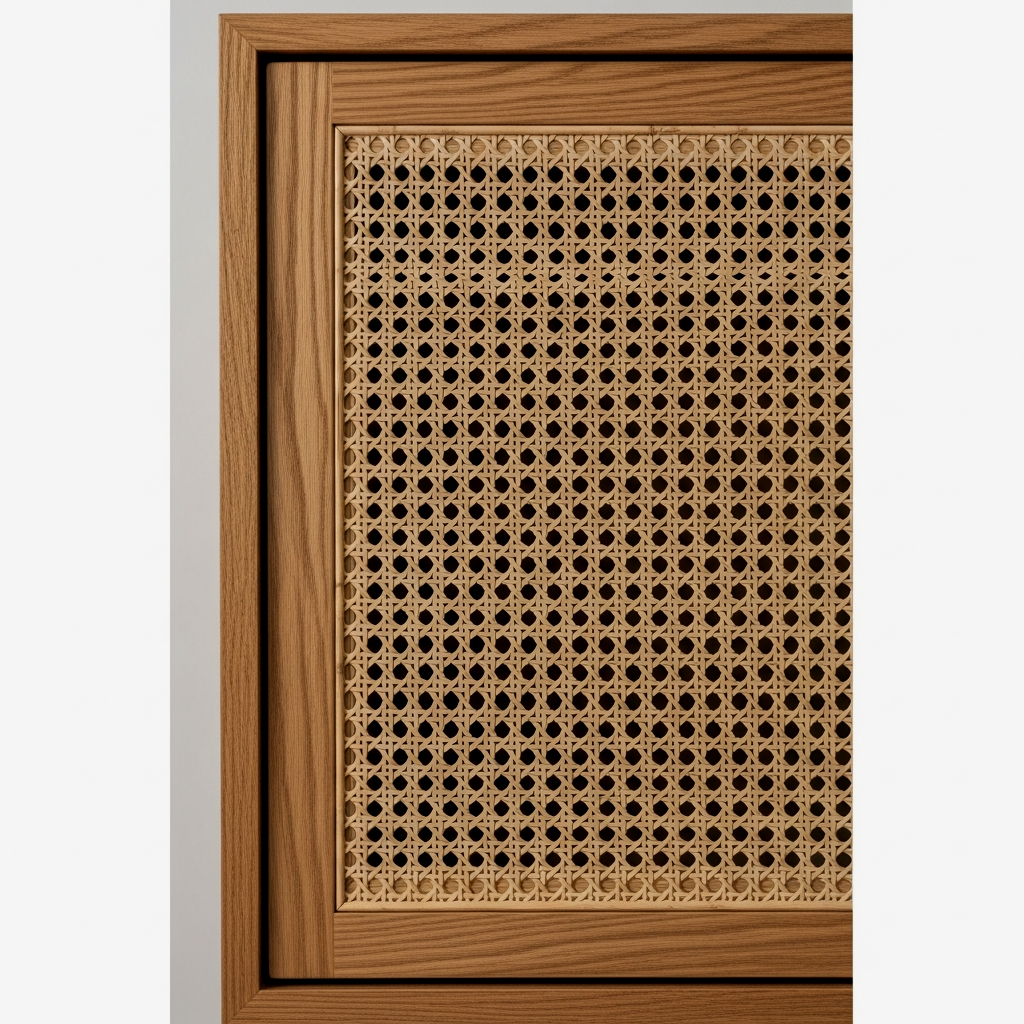
The results speak for themselves: cane webbing on cabinet doors or chair backs provides a “see-through” texture that keeps the room feeling airy. It’s a classic Japanese element that bridges the gap between traditional craft and modern Scandi minimalism perfectly.
Hand-Applied Plaster Walls
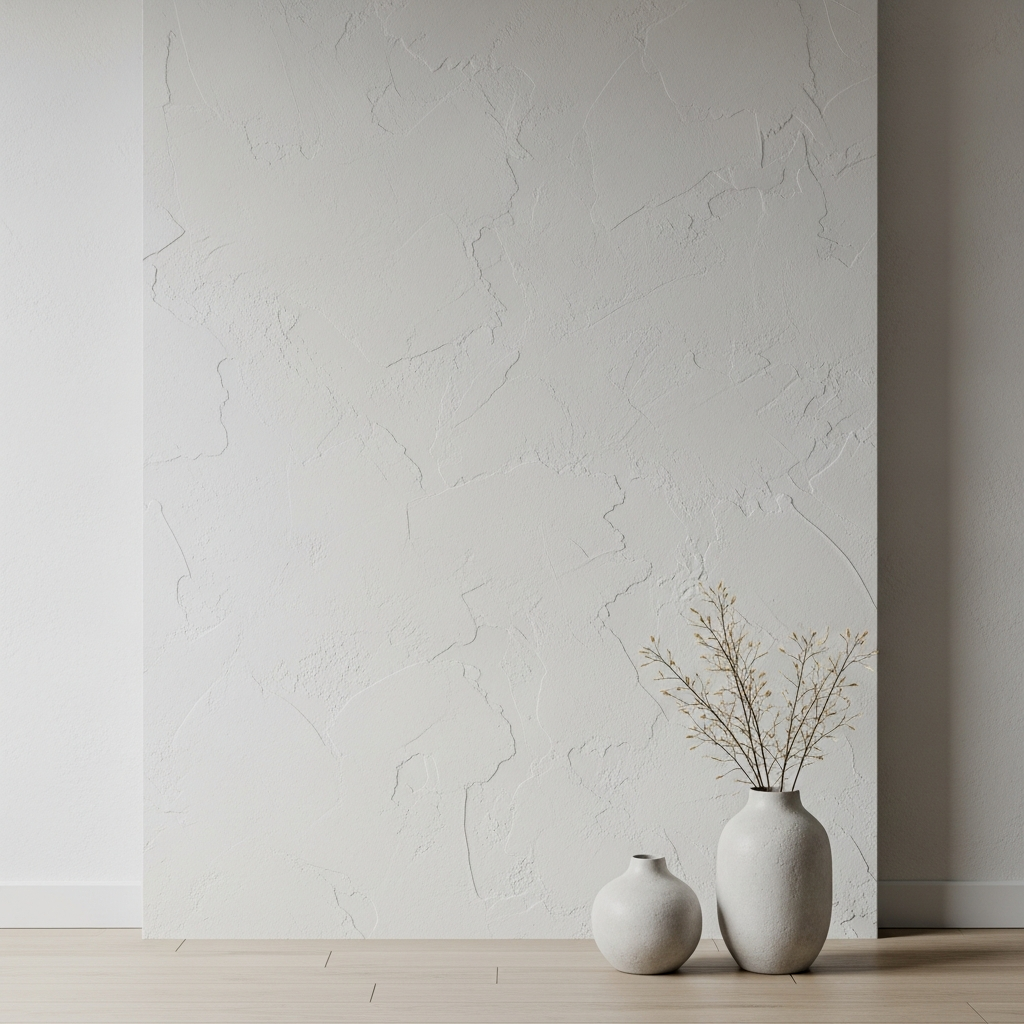
This changed everything for me. You don’t need to do the whole house—even just one accent wall in a lime wash or Venetian plaster finish adds a “velvety” movement to the walls. Instead of flat, boring paint, you get a surface that reacts to sunlight and feels incredibly high-end and artisanal.
To get the perfect “plaster” look without the price tag, try a Lime Wash paint like Roman Clay. Apply it in cross-hatch motions with a wide brush. It creates a soft, cloudy texture that looks like it cost thousands, but it’s a totally doable weekend project!
Raw Silk and Matte Velvet Contrast
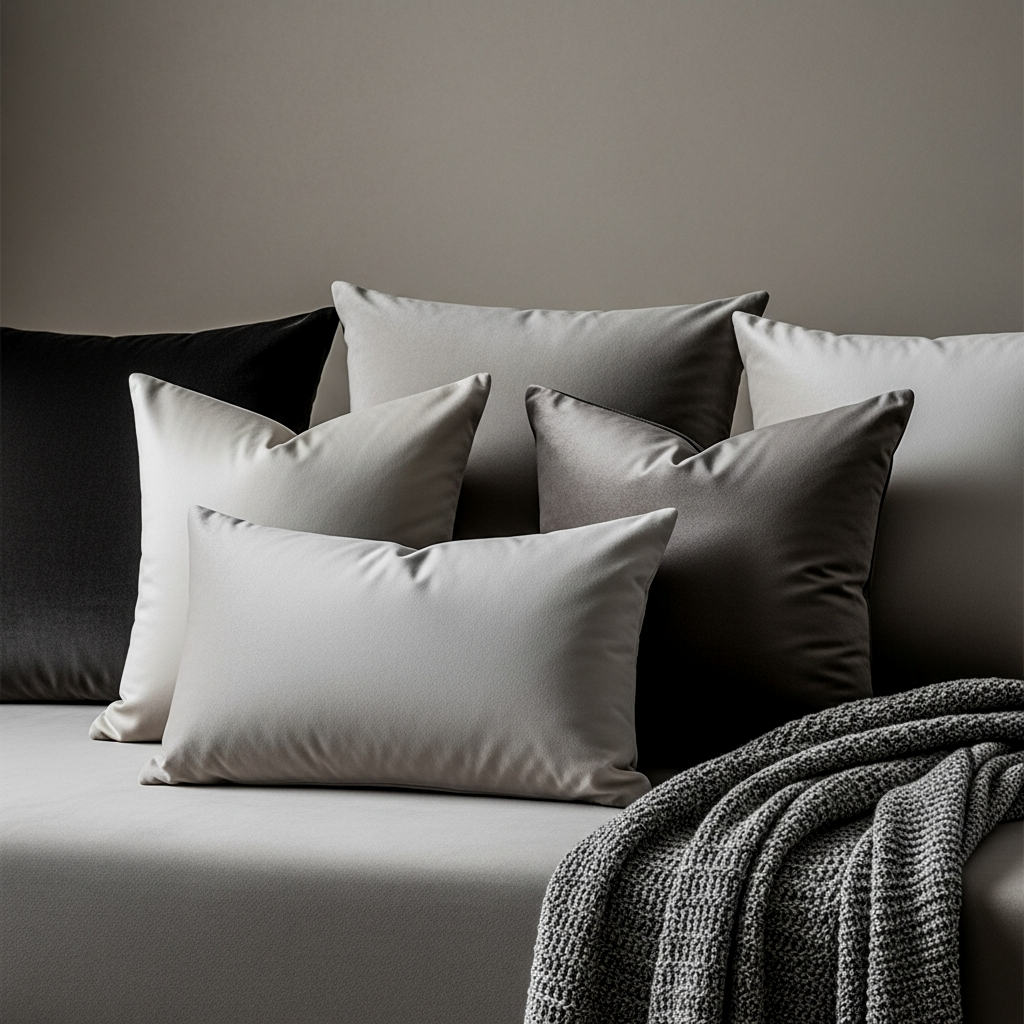
Once you try this you cannot go back to standard cotton pillows. Mix a few raw silk cushions (which have those beautiful natural “slubs” or bumps) with matte velvet ones. The way one reflects light and the other absorbs it creates a sophisticated mood that feels intentional and cozy.
📏 13 Japandi Texture Ideas to Warm Up Your Minimalist Space Quick-Win Checklist
- The Rug Layer: Layer a soft wool rug over a larger jute rug for instant depth.
- The Wood Check: Ensure at least one wood piece has a visible, tactile grain.
- The Soft Goods: Swap one flat pillow for a bouclé or waffle-knit version.
- The Greenery: Add a dried branch or pampas grass for organic “fuzziness.”
- The Walls: Consider a matte, textured paint or slat detail to break up flat surfaces.
Dried Organic Botanical Textures
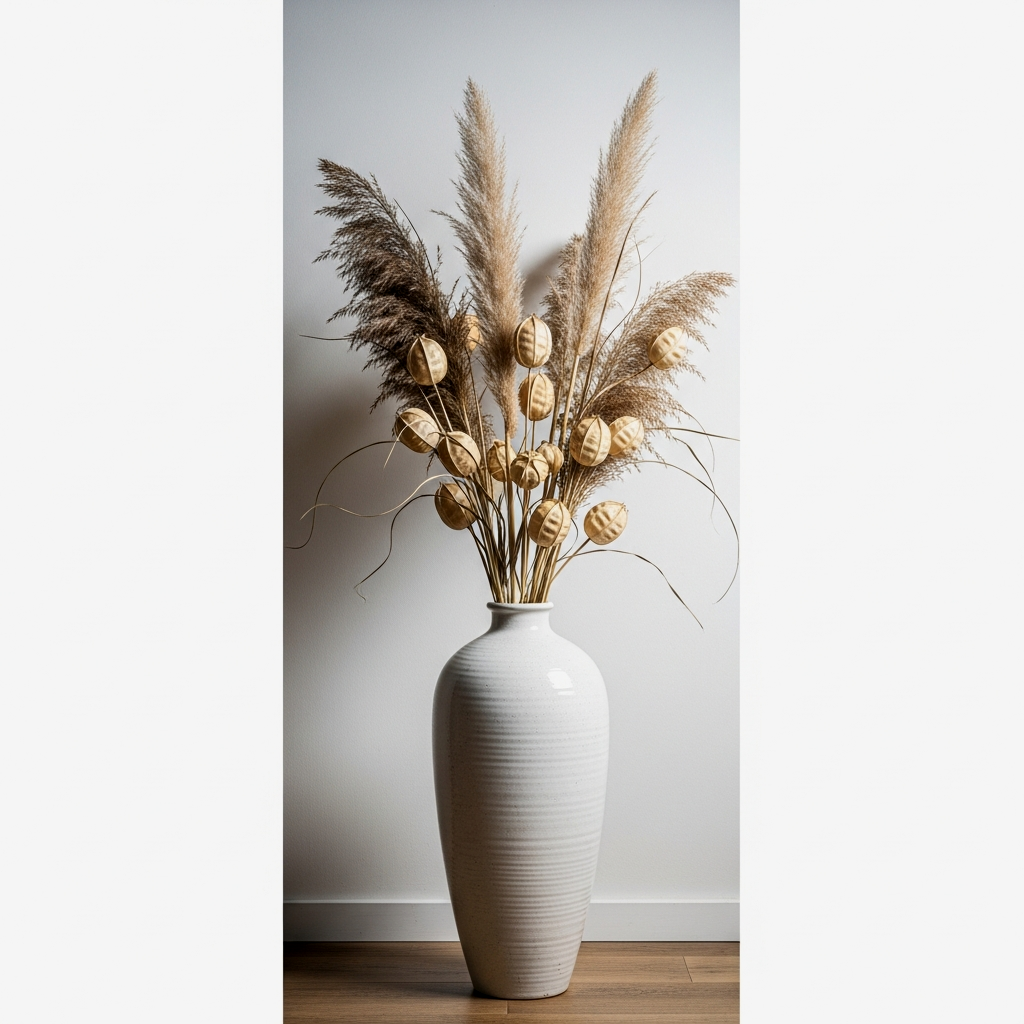
I was not prepared for how good this looks until I tried it. Forget fresh flowers that die in a week—a few tall, dried branches or some fluffy pampas grass in a heavy ceramic floor vase add a “wild” texture that softens the clean lines of a Japandi space. It brings in that essential element of nature without the maintenance.
Minimalism doesn’t have to be cold, and Japandi is the living proof. By focusing on how things feel—literally and visually—you can create a home that is both peaceful and incredibly cozy. If you’re ready to take this even further, check out my deep dive into 25 Japandi Living Room Ideas to Finally Master the Art of Zen Minimalist Style for the full layout and furniture guide. You’ve got this!
FAQ: Mastering Japandi Textures
What are the best colors for Japandi textures?
Stick to a palette of “earthy neutrals”—think oatmeal, stone, sand, and charcoal. These colors allow the physical texture of the materials (like the weave of a rug or the grain of wood) to be the star of the show without visual clutter.
How do I mix different wood tones in a Japandi room?
The trick is to keep the undertones consistent. If you have a light oak floor, look for other furniture with “warm” or “neutral” undertones. Avoid mixing very red woods (like cherry) with very grey-washed woods, as it can feel disjointed.
Is bouclé still in style for 2024?
Absolutely. While it’s been trendy for a while, in the context of Japandi, it’s considered a staple texture rather than a passing fad because of its organic, cloud-like appearance that adds much-needed softness to minimalist spaces.
Can I use Japandi textures in a small apartment?
Yes! Texture is actually a secret weapon for small spaces. Because you can’t fit a lot of “stuff,” using rich textures on the items you *do* have (like your rug, sofa, and curtains) makes the room feel high-end and cozy without taking up extra floor space.
What is the difference between Scandi and Japandi texture?
Scandi texture leans heavily into “hygge”—think faux fur, chunky knits, and light woods. Japandi introduces Japanese “wabi-sabi” elements: rougher stone, hand-made ceramics with imperfections, and darker, more rustic woods.