14 Japandi Living Room Furniture Pieces That Look Way More Expensive Than They Are
I have a massive bone to pick with the “bulky furniture” epidemic. You know exactly what I’m talking about—those oversized, overstuffed sofas and heavy, dark-wash coffee tables that make even the biggest rooms feel cramped and claustrophobic. For the longest time, I thought “luxury” meant “heavier,” but I was so wrong. The moment I cleared out my chunky traditional pieces and leaned into the airy, intentional vibes of Japandi design, the energy in my home shifted instantly. No seriously, the difference is unreal.
If you have been following my journey toward a more mindful home, you know I’ve been studying 25 Japandi living room ideas to finally master the art of zen minimalist style, and the biggest takeaway is that quality furniture doesn’t have to cost as much as a down payment. You just need to know what details to look for. We are looking for clean lines and organic shapes here. Once you try this you cannot go back to chunky, heavy traditional furniture.
✨ Before You Start: 14 Japandi Furniture Pieces That Look Way More Expensive Than They Are Mindset
The Low-Seated Modular Sofa
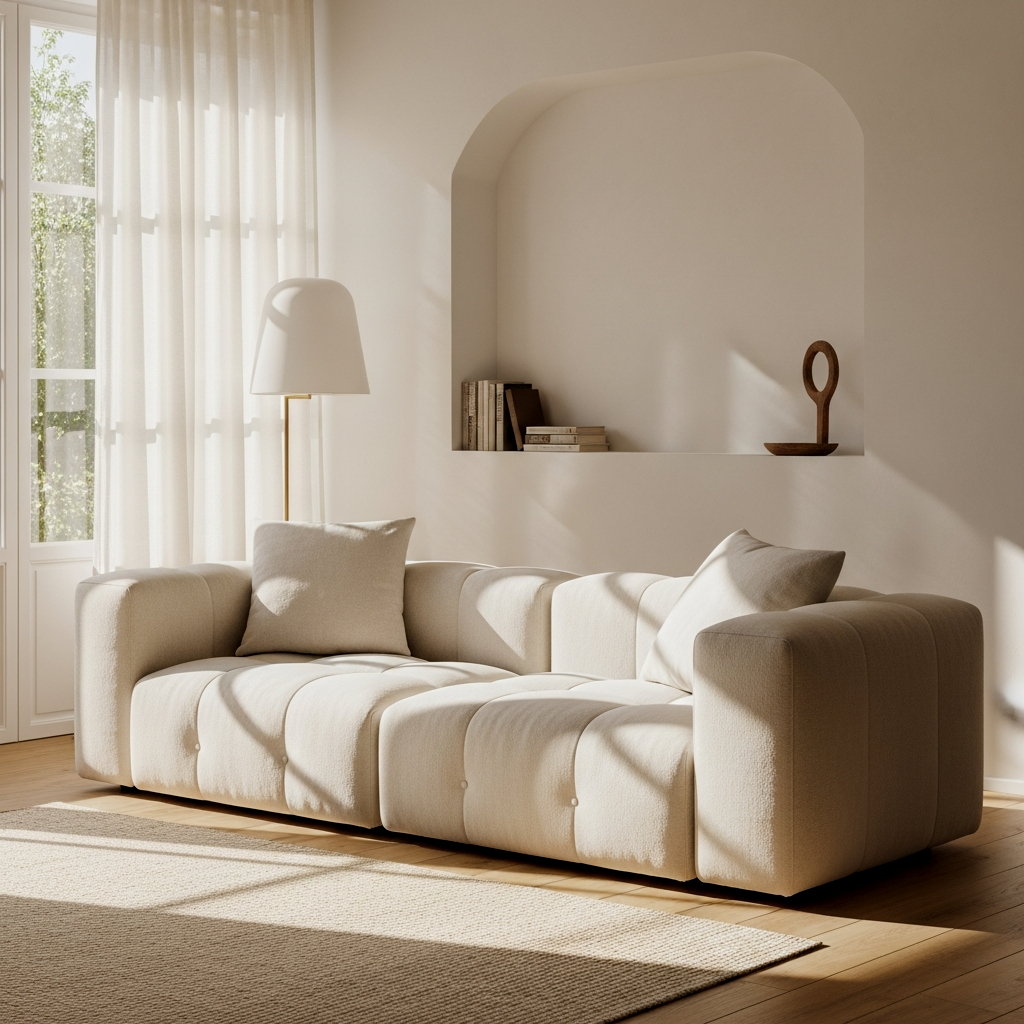
I am obsessed with how a low-seated sofa completely changes the sightlines of a room. When your seating sits closer to the ground, your ceilings suddenly feel ten feet taller. A modular design in a neutral oat or sand performance fabric looks incredibly custom, but you can find these at mid-range retailers for a fraction of the price of a high-end showroom piece.
The Oak and Cane-Back Lounge Chair
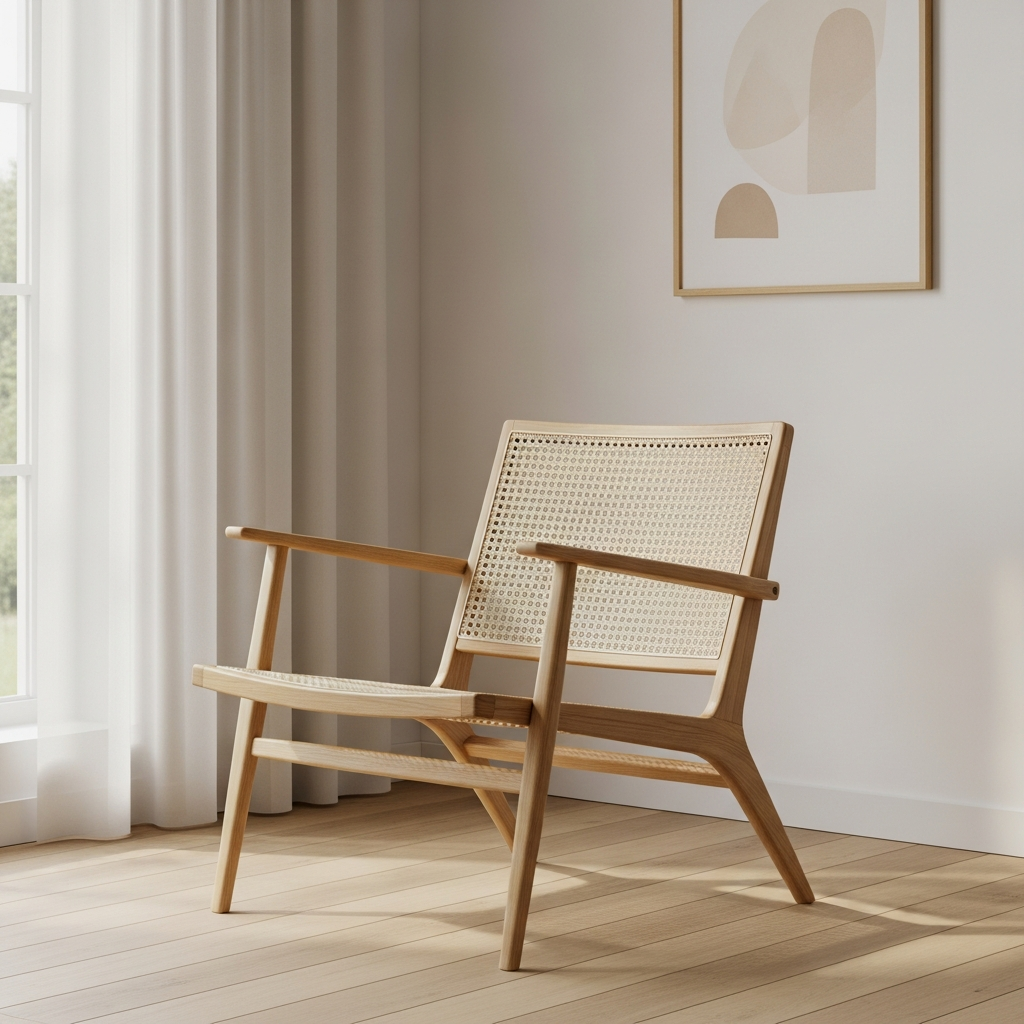
There is something about the combination of light oak and natural cane that screams “expensive boutique hotel.” This piece is the king of “negative space.” Because you can see through the cane backing, the chair feels light as air while providing that much-needed textural contrast against a soft rug. Trust me on this one, it’s the ultimate statement piece for a corner.
The Solid Oak Organic Coffee Table
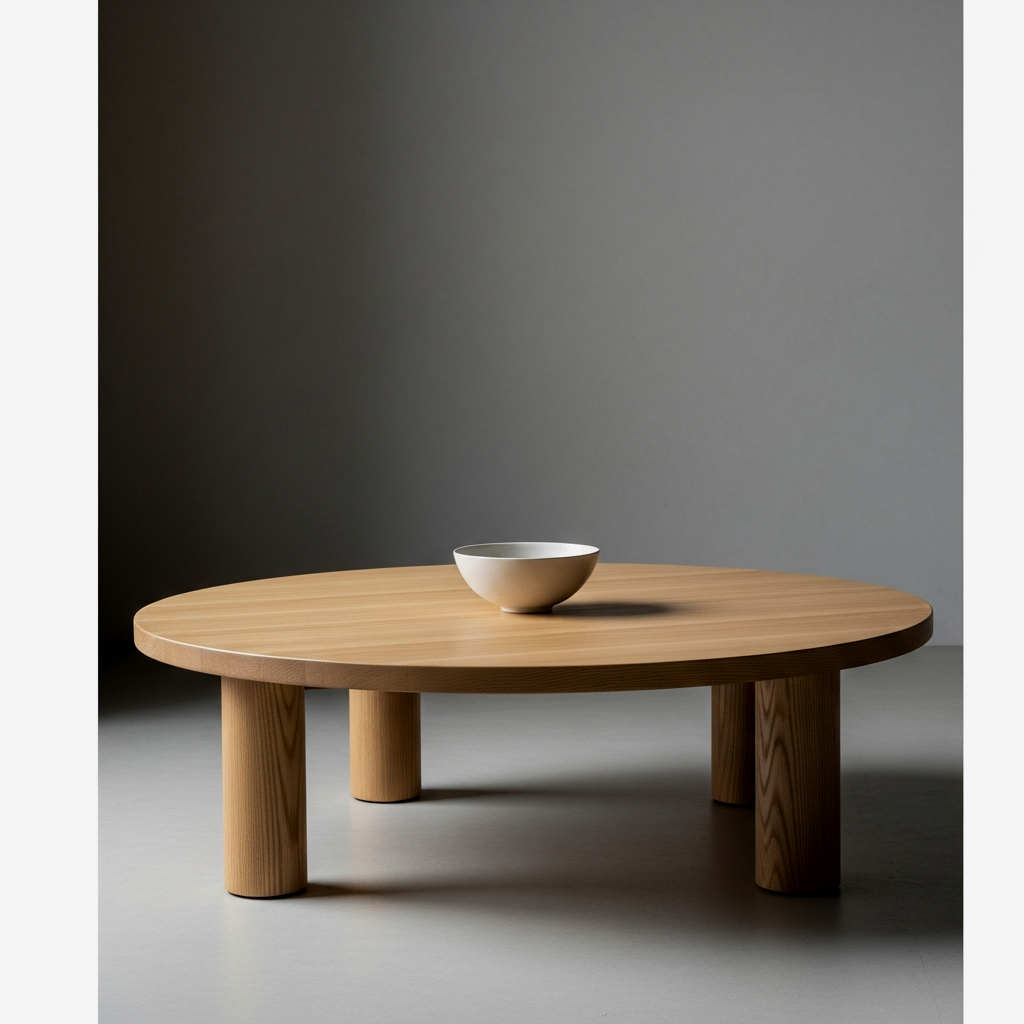
Ditch the sharp rectangular edges. An organic, “kidney” shaped or rounded solid oak table brings a softness that Japandi style thrives on. When it’s solid wood—even a smaller piece—the weight and grain quality make it look like a hand-carved heirloom. This alone is worth it for the way it grounds your entire seating arrangement.
Follow the “Rule of Three” with heights: pair a low coffee table with a medium-height lounge chair and a tall floor lamp. This vertical variation prevents your Japandi furniture from looking flat or “floating” in a void.
The Sculptural Boucle Ottoman
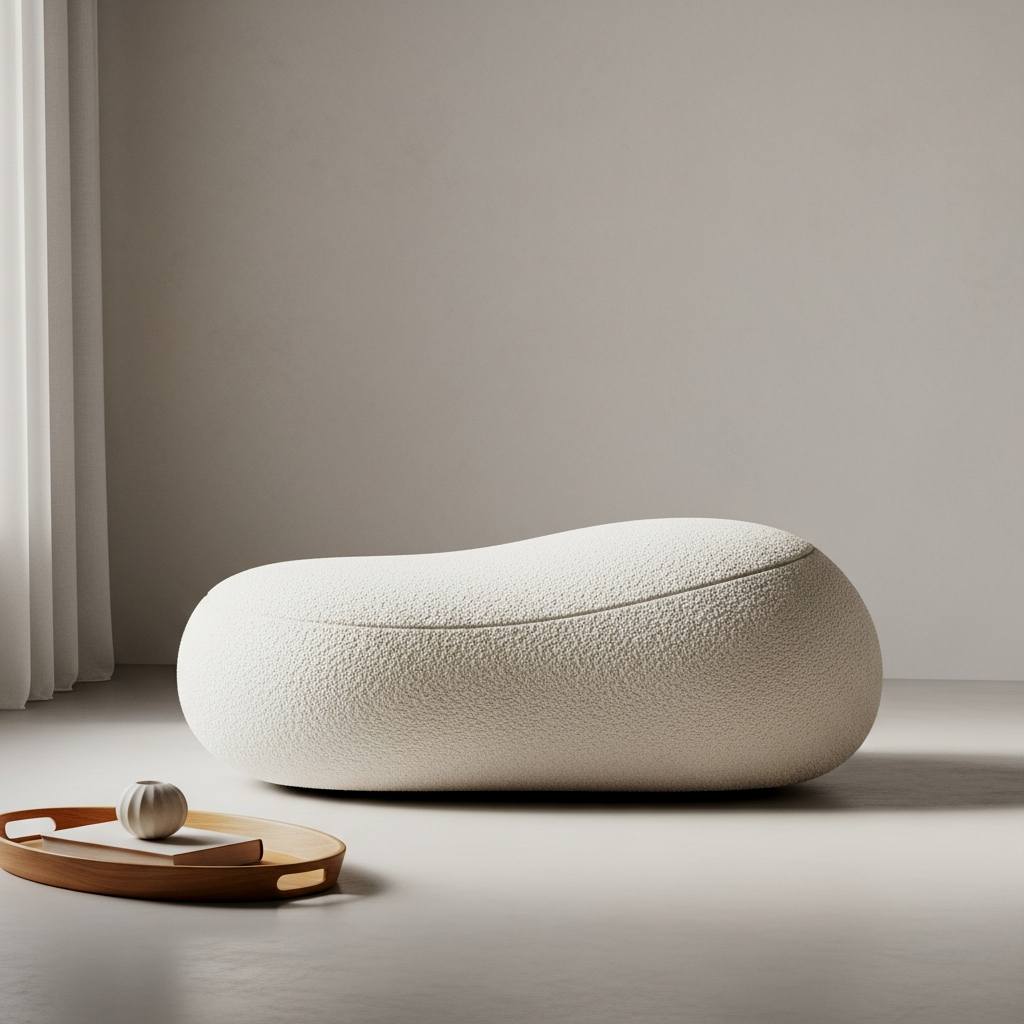
Boucle isn’t going anywhere, but the key to making it look expensive is the shape. Look for an ottoman with a unique, sculptural silhouette—maybe something slightly asymmetrical. It serves as extra seating, a footrest, or even a side table with a tray on top. Genuinely life-changing for small apartments where versatility is everything.
The Slat-Front Wood Credenza
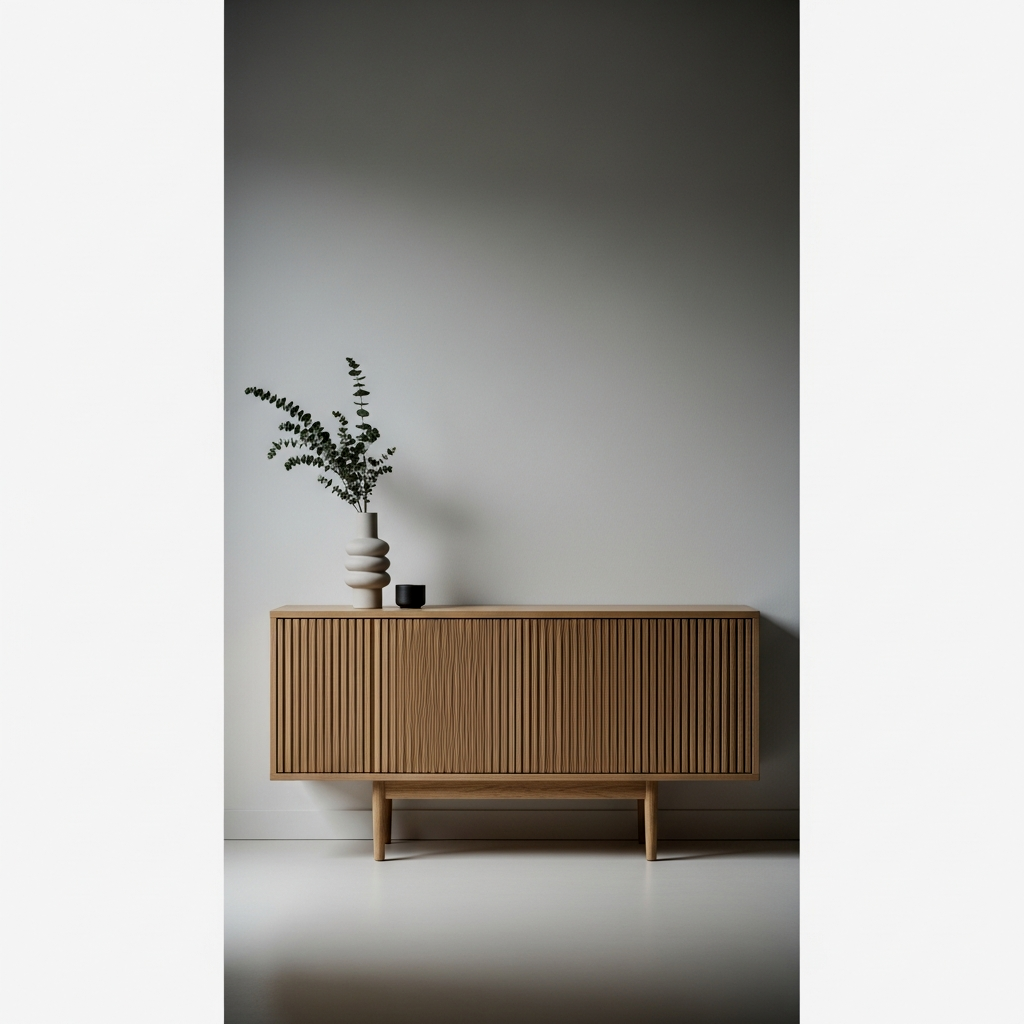
This is the best kept secret for hiding your tech and clutter. The vertical slats create a rhythmic, architectural look that mimics high-end Japanese carpentry. It adds so much texture to a flat wall without the visual “noise” of open shelving. It’s the perfect marriage of Scandi functionality and Japanese aesthetic.
The Akari-Style Paper Lantern Floor Lamp
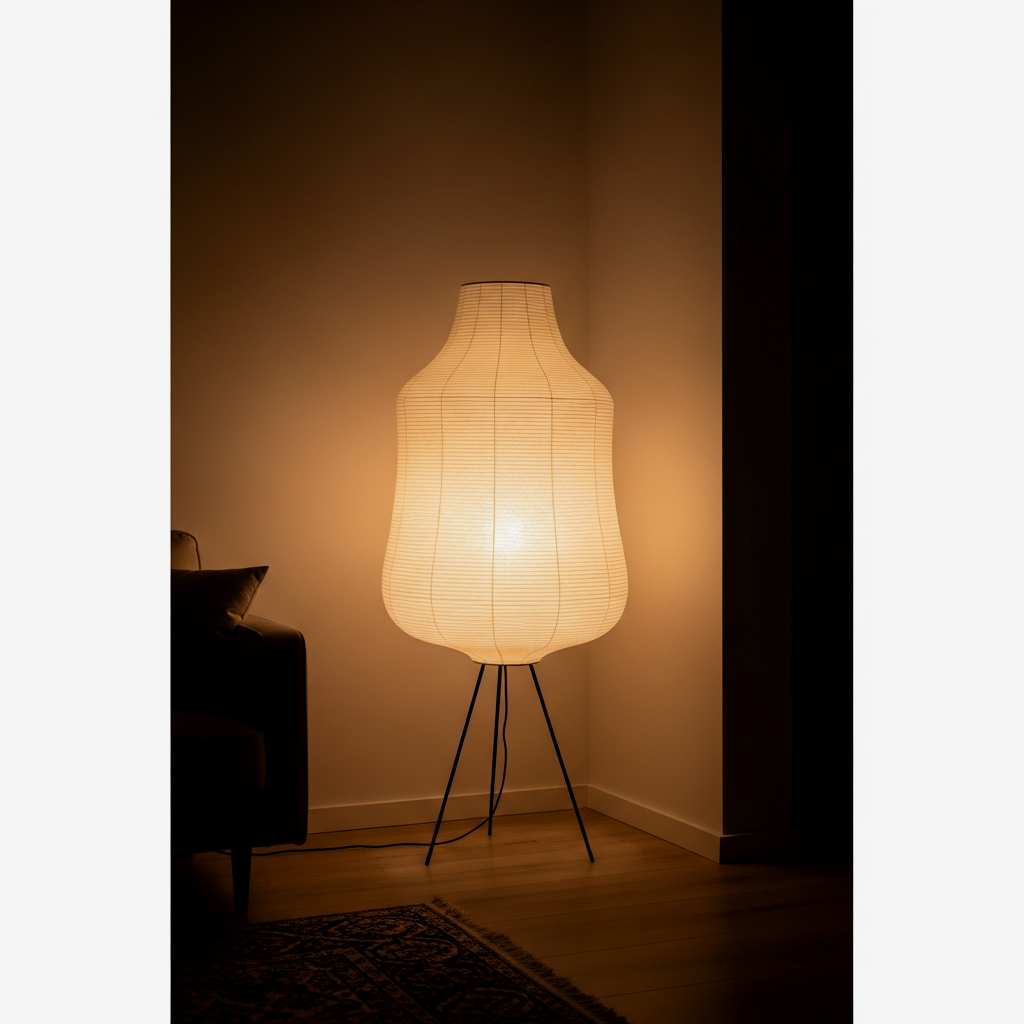
You’ve seen these everywhere, and for good reason. A large, oversized paper lantern on a thin black tripod base provides the softest, most ethereal glow. I was not prepared for how good this looks when the sun goes down. It’s an instant mood-setter that adds height without bulk.
The Linen-Upholstered Zen Daybed
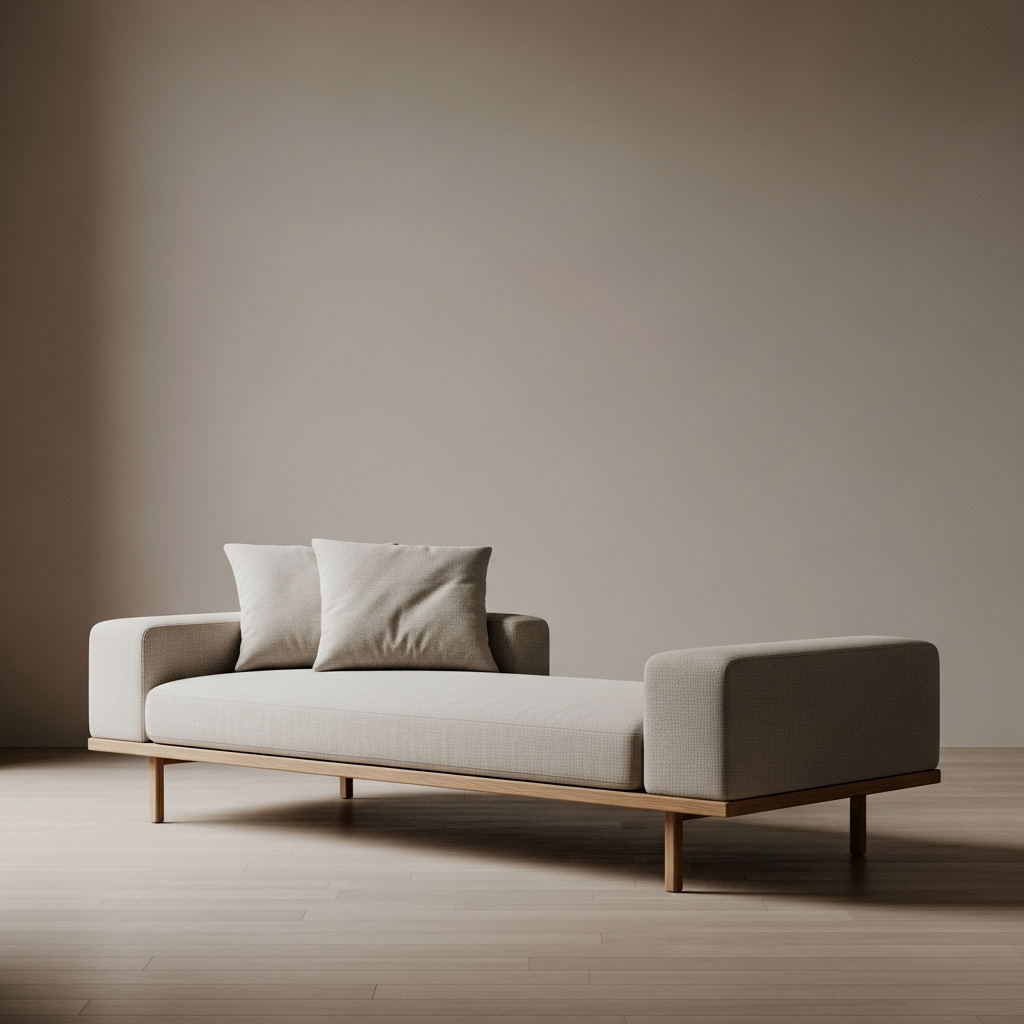
If you have a large window or an awkward “in-between” space, a linen daybed is the answer. It feels so much more intentional than another armchair. The low profile keeps the view clear, and the natural linen texture provides that raw, wabi-sabi feel that defines the Japandi vibe.
The exact pieces that make these ideas work:
The Curved Boucle Accent Chair
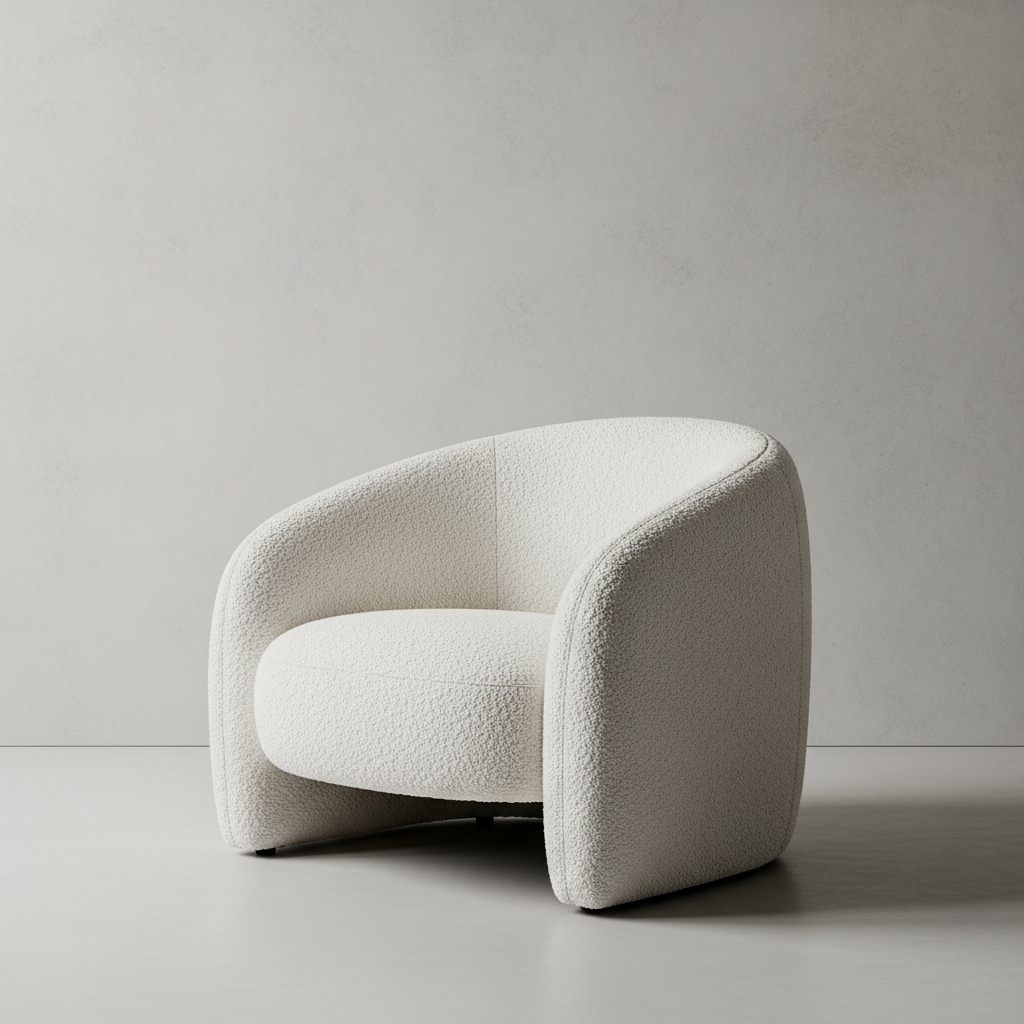
If the ottoman is the accessory, the curved boucle chair is the star of the show. The gentle wrap-around arms feel like a hug, and the lack of sharp corners makes the room flow better. This changed everything for me when I realized I could have comfortable seating that still looked like a piece of art.
The Hand-Finished Ceramic Side Table
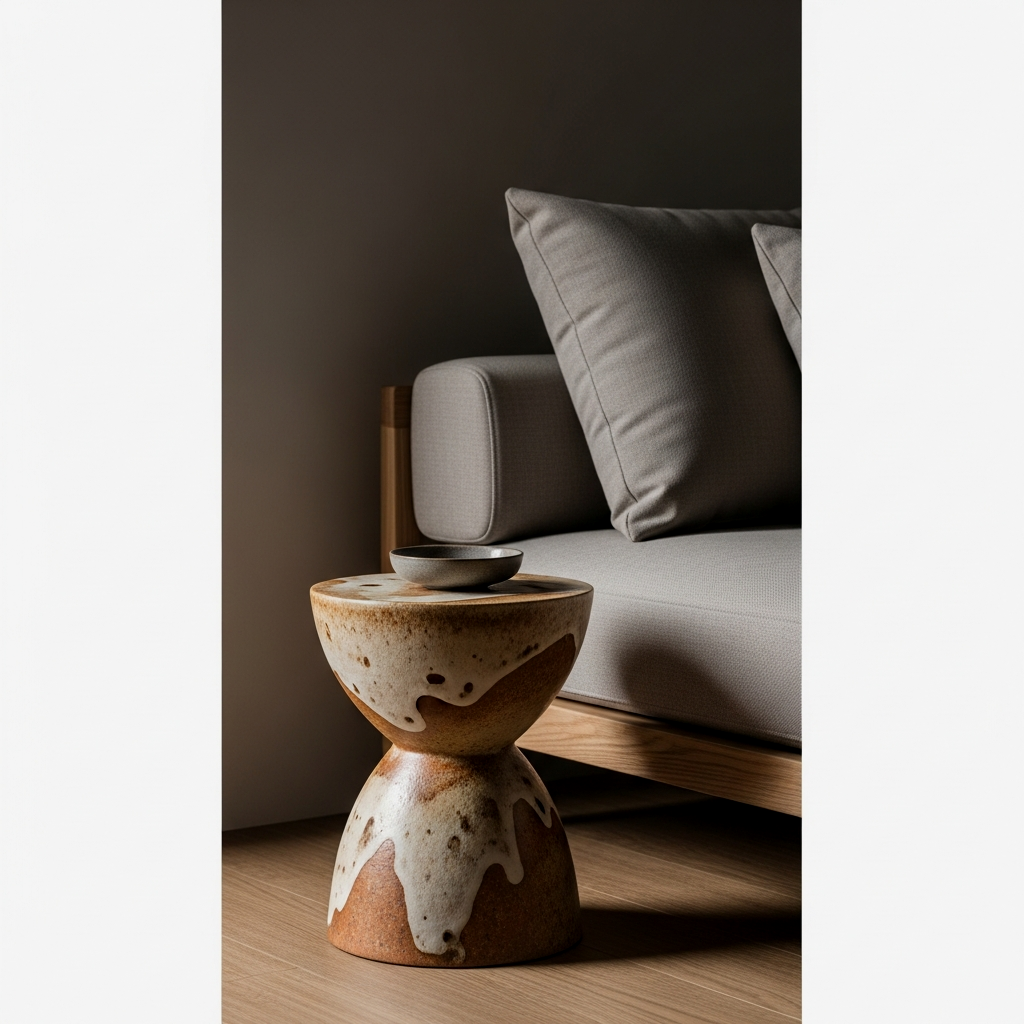
Look for side tables that have a “hewn from the earth” look. A drum-shaped ceramic table with a matte, slightly imperfect finish adds a layer of sophistication. It’s small, but the tactile nature of the ceramic makes the whole room feel more curated and less “big box store.”
The Slat-Back Ash Wood Armchair
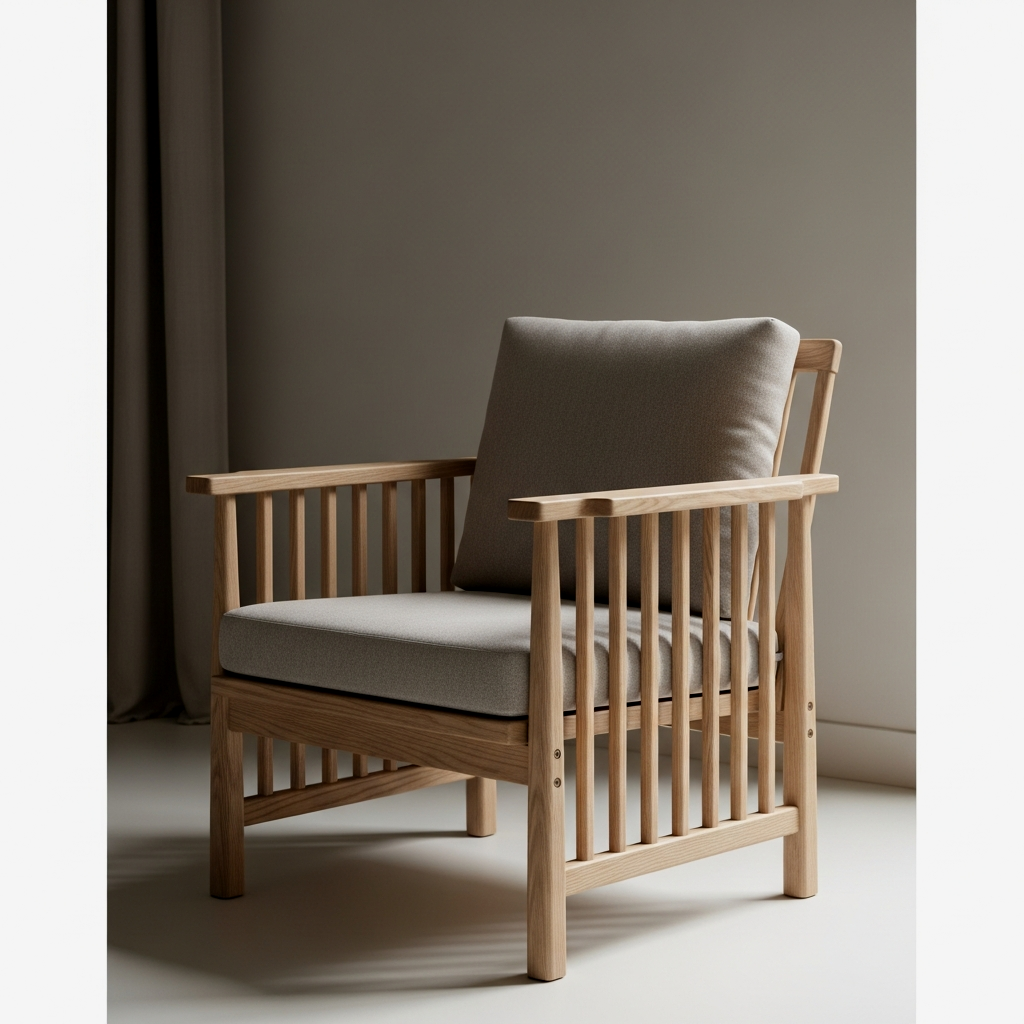
Similar to the cane-back, an ash wood chair with a vertical slat back is a masterclass in Japandi minimalism. It’s sturdy but visually “light.” You will not regret this purchase because it’s a timeless design that works in almost any corner of the house.
The Floating Oak Wall Shelving
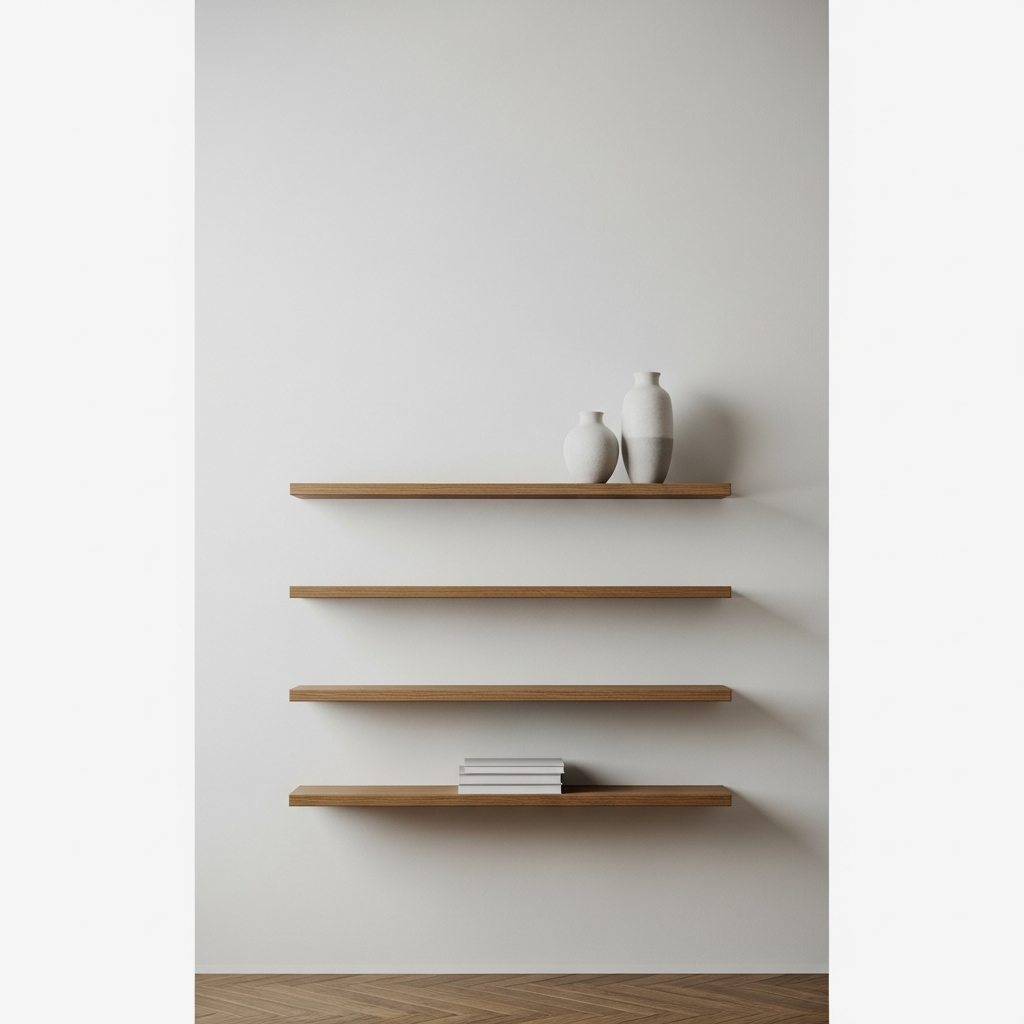
To keep the floor clear (hello, negative space!), floating shelves are non-negotiable. Using thick, solid oak planks with hidden brackets gives you that built-in look for a sliver of the cost. I wish someone had told me sooner that you don’t need a massive bookshelf to display your favorite ceramics.
When buying “budget” Japandi pieces, look specifically for “solid wood” rather than “veneer” for the legs and touchpoints. Even if the main body is high-quality MDF, solid wood legs create a much more expensive tactile experience. Also, swap out any generic hardware on credenzas for matte black or brushed brass knobs to instantly elevate the look!
The Honed Marble Plinth Table
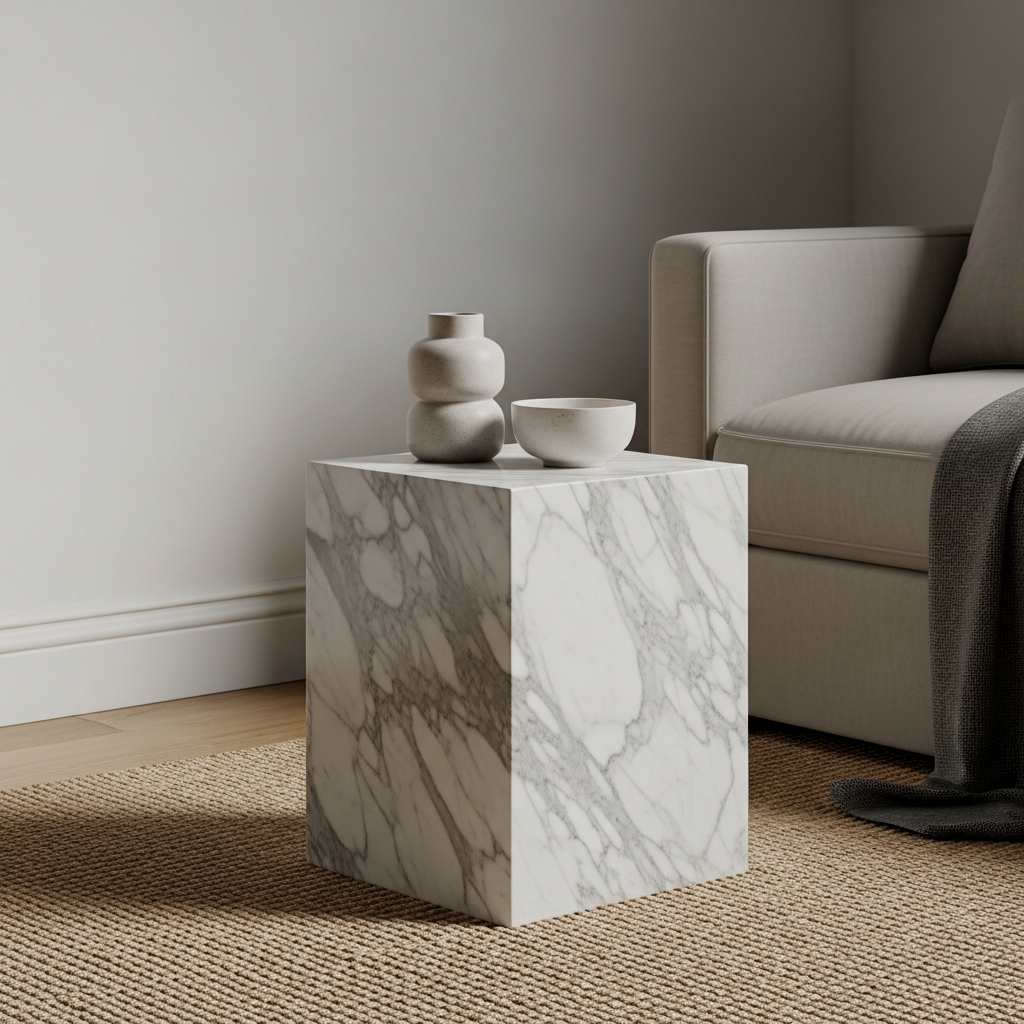
A marble plinth table is basically a block of stone that doubles as a side table. In a Japandi room, it provides a cold, hard element to balance out all the warm wood and soft boucle. It looks incredibly high-end—this is the one piece that always gets guests asking “where did you get that?”
The Woven Rattan Bench Coffee Table
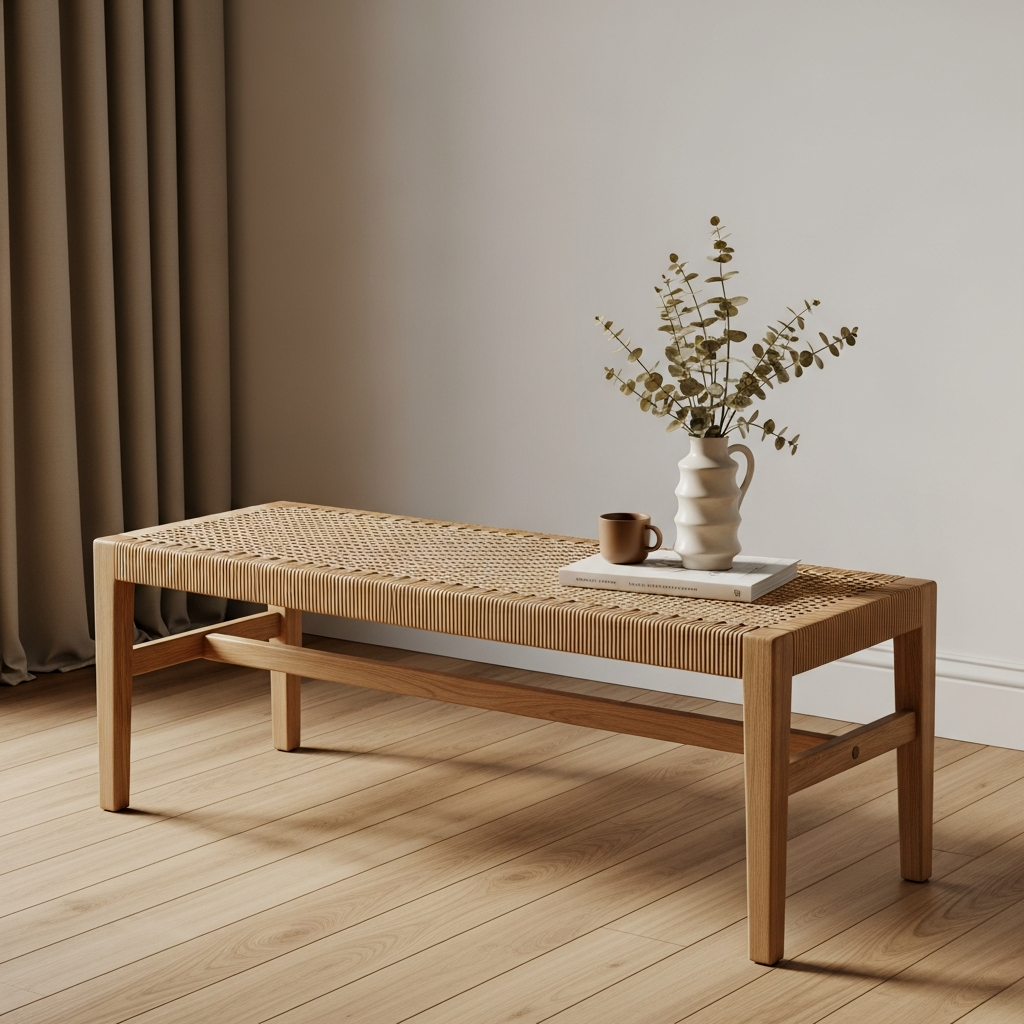
For those who want a more “Scandi-forward” look, a long rattan bench used as a coffee table is brilliant. It’s narrow, which is great for smaller living rooms, and the texture is unmatched. The results speak for themselves; it adds a cozy, rustic warmth that keeps the minimalism from feeling too sterile.
📏 14 Japandi Furniture Pieces That Look Way More Expensive Than They Are Quick-Win Checklist
- Check the Height: Ensure coffee tables are lower than or level with sofa cushions.
- Texture Check: Balance smooth wood with rough ceramics or woven rattan.
- Color Palette: Stick to 3-4 neutral shades (cream, tan, grey, black).
- Negative Space: Leave at least 18 inches of walking space around every piece.
- Hardware Check: Replace any plastic or “shiny” metal with matte finishes.
The Nesting Organic Wood Tables
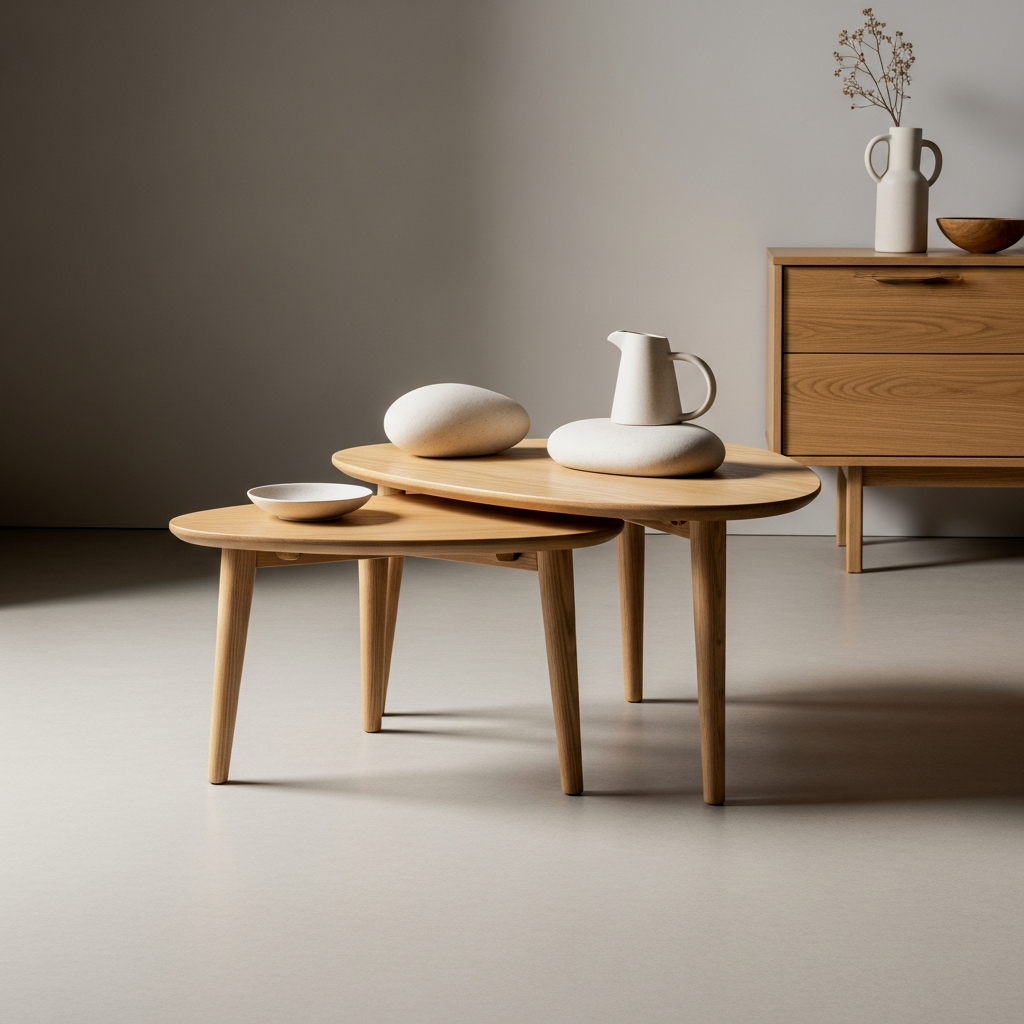
Do not sleep on this versatile option. Nesting tables with organic, pebble-like shapes are perfect for hosting. You can spread them out when you have tea with a friend and tuck them away to reclaim your floor space afterward. It’s functional minimalism at its absolute finest.
Creating a home that feels like a sanctuary shouldn’t require a designer’s budget. By focusing on these specific silhouettes and materials, you can create a space that feels deeply intentional and incredibly expensive. Remember, if you’re feeling stuck on the layout or the “vibe” of your space, go back and check out the 25 Japandi living room ideas to finally master the art of zen minimalist style for all the inspiration you need. You’ve got this!
FAQ
What is the main difference between Japandi and standard minimalist furniture?
Japandi furniture focuses more on “wabi-sabi” (the beauty of imperfection) and organic materials than standard minimalism. While standard minimalism can feel cold or industrial, Japandi uses warm wood tones, natural fibers like linen and rattan, and soft, curved edges to create a “cozy” minimalism.
How do I make cheap Japandi furniture look more expensive?
The easiest way is to focus on the finish. Avoid high-gloss woods; instead, look for matte or “raw” wood finishes. You can also elevate pieces by adding high-end accessories, like a heavy ceramic vase or a hand-woven throw, which draws the eye away from the furniture’s price tag.
Can I mix Japandi furniture with my existing pieces?
Absolutely! Japandi plays very well with Mid-Century Modern or Contemporary styles. To make it work, ensure there is a common thread—usually a neutral color palette or a similar wood tone—to tie the different styles together seamlessly.
Is Japandi furniture durable for homes with kids or pets?
It can be! Look for performance boucle (which is surprisingly easy to clean) and solid wood tables that can be sanded and refinished if they get scratched. Avoid delicate paper lamps in high-traffic areas; opt for wooden or ceramic lighting instead.
Why is low-seated furniture so common in Japandi design?
It stems from the Japanese tradition of floor-based living. Lower furniture creates a more grounded, stable feeling in a room and visually expands the vertical space, making your home feel much more open and airy.