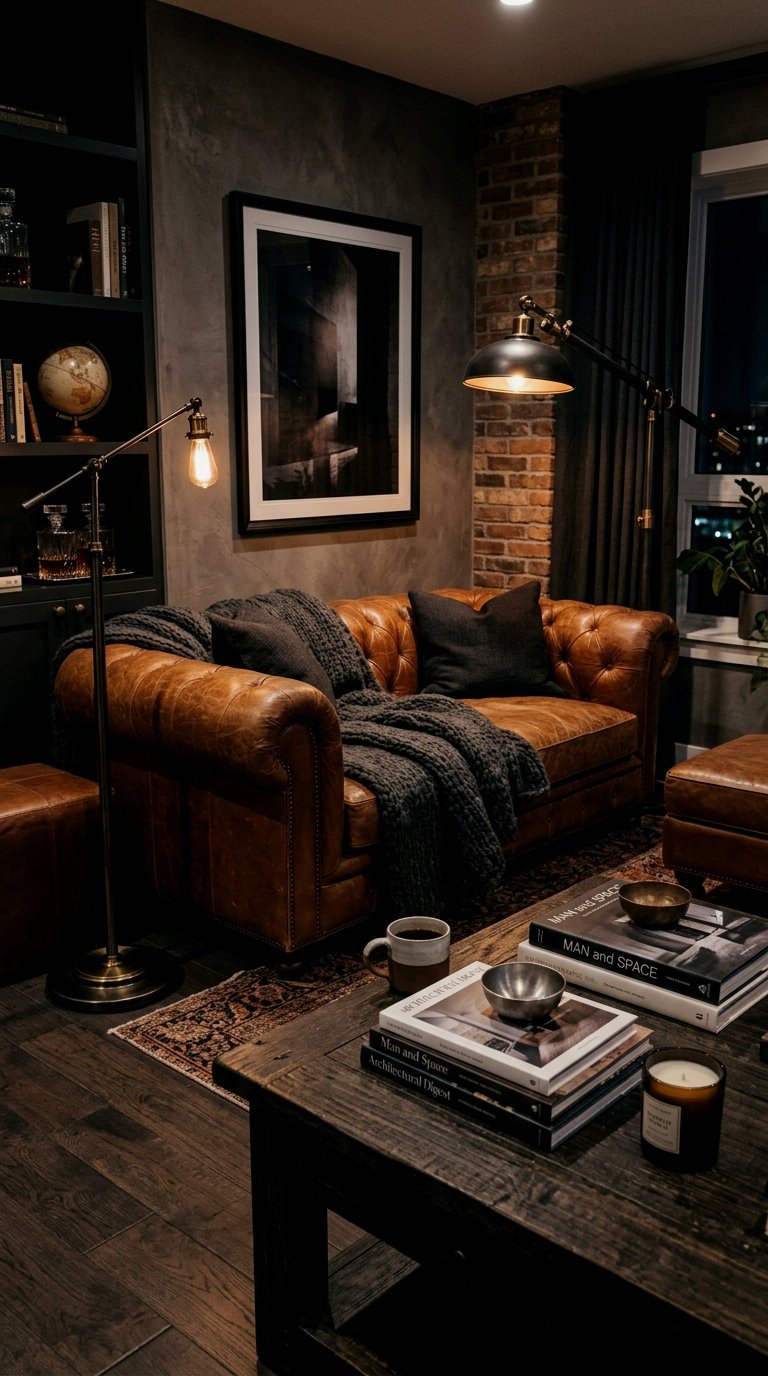
10 Small Japandi Living Room Ideas for Apartment Dwellers
I spent years fighting against my small apartment, convinced that my 500-square-foot living room was the reason I couldn’t achieve that high-end, serene aesthetic I saw all over Pinterest. I was cramming bulky furniture into corners and wondering why the room felt like it was closing in on me. No seriously, the struggle to find a balance between cozy and cluttered is real when you’re dealing with limited square footage. Then I discovered that Japandi was basically made for us apartment dwellers because it prioritizes multi-functional, low-profile pieces over heavy, traditional decor.
I recently realized that my previous attempts at minimalism were just… cold. But when you lean into the warmth of Japanese design and the functionality of Scandi style, the results speak for themselves. Before you start tossing out your sofa, you might want to look at these 25 Japandi Living Room Ideas to Finally Master the Art of Zen Minimalist Style to get the full picture of the aesthetic, but if you’re working with a tight footprint, this specific list is for you. This is the one style that makes a tiny studio feel like a high-end spa, and I cannot stress this enough: it’s all about the edit.
✨ Before You Start: 10 Small Japandi Living Room Ideas for Apartment Dwellers Mindset
Leggy Furniture for Visual Floor Space
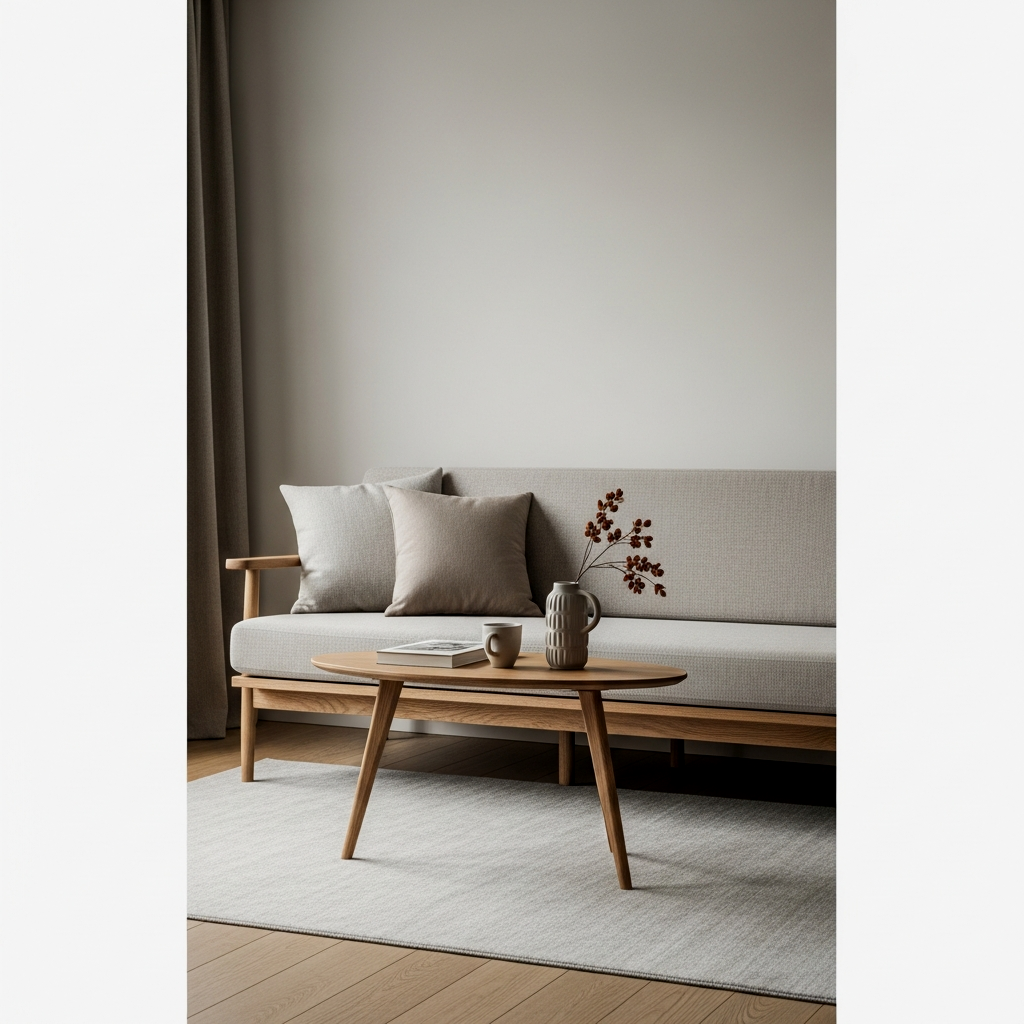
Do not sleep on the power of leggy furniture to make a floor feel larger. When you can see the floor extending underneath your sofa or credenza, your brain perceives more square footage than there actually is. Obsessed is an understatement when it comes to tapered wooden legs—they provide that mid-century nod that Japandi loves while keeping the vibe light and airy. Trust me on this one: swapping a bulky, skirted sofa for something on slim legs will make your living room feel like it just took a deep breath.
The Low-Profile Seating Solution
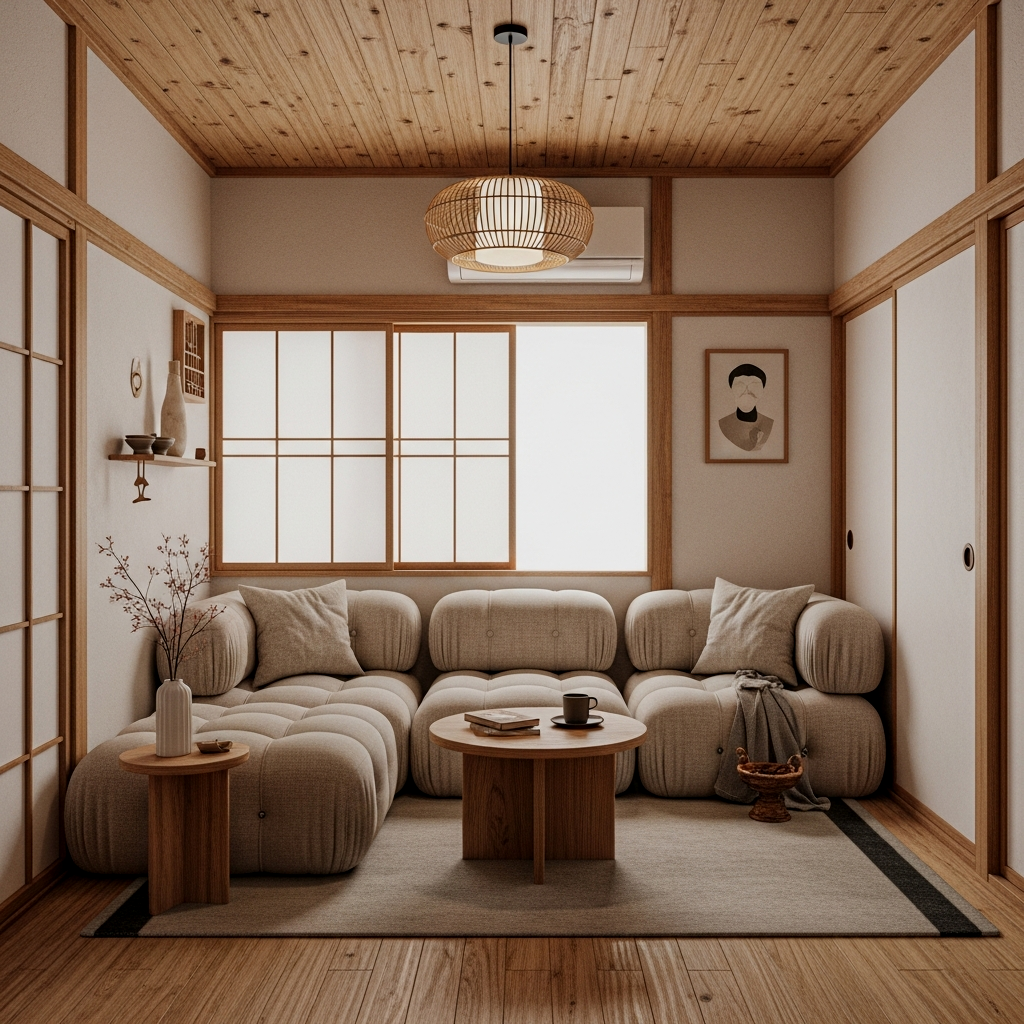
If your apartment has standard or low ceilings, low-profile seating is genuinely life-changing. By keeping your sofa and lounge chairs closer to the floor, you create a massive amount of “white space” on the walls above them. This is a classic Japanese design trick that prevents the room from feeling top-heavy. I was not prepared for how good this looks until I tried a floor-hugging modular sofa; it instantly made my cramped living area feel like an intentional, zen lounge rather than just a place where I keep my TV.
Expanding Space with Light Wood Mirrors
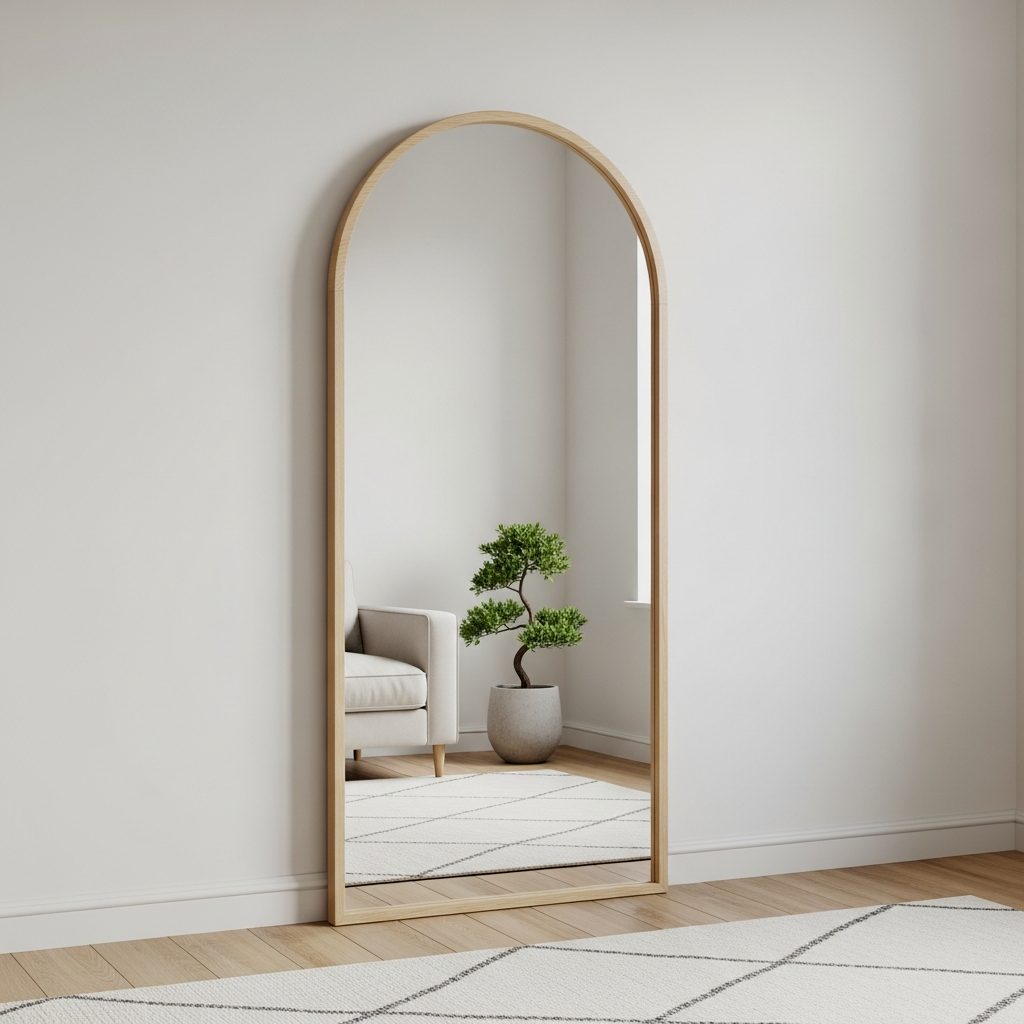
We all know mirrors “open up a room,” but the Japandi way is to use mirrors with thin, light wood frames—think white oak or ash. This adds a organic touch that prevents the mirror from looking too sterile or “builder-grade.” I wish someone had told me sooner that a large, arched floor mirror leaned against the wall can double the visual depth of a narrow apartment living room. It catches the light and reflects those warm wood tones, making the whole space feel cohesive and intentional.
Apply the ‘One-In, One-Out’ rule for surfaces. In a small Japandi space, if you add a new ceramic vase to your coffee table, a different decorative object must be tucked away. This maintains the essential “Ma” (the beauty of empty space) that defines the style.
Seamless Built-in Hidden Storage
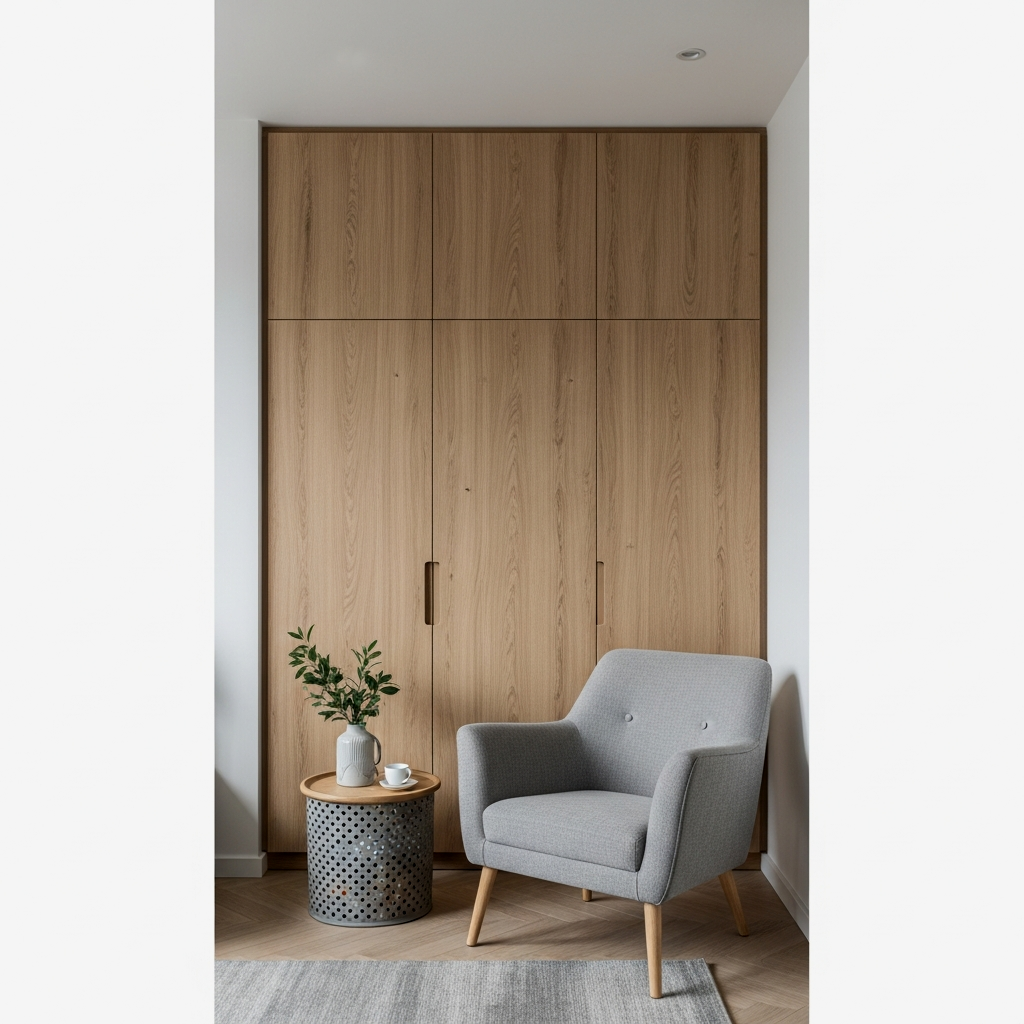
Clutter is the absolute enemy of the Japandi aesthetic, especially in a small apartment where every stray mail pile feels like a mountain. The best kept secret is using “seamless” storage—cabinets that match your wall color or feature flat, handle-less wood fronts. This allows the storage to melt into the background. Instead of having a bunch of small baskets everywhere, go for one long, low sideboard that hides everything from chargers to board games. The difference is unreal when the visual noise is silenced.
Floating Consoles for Open Floors
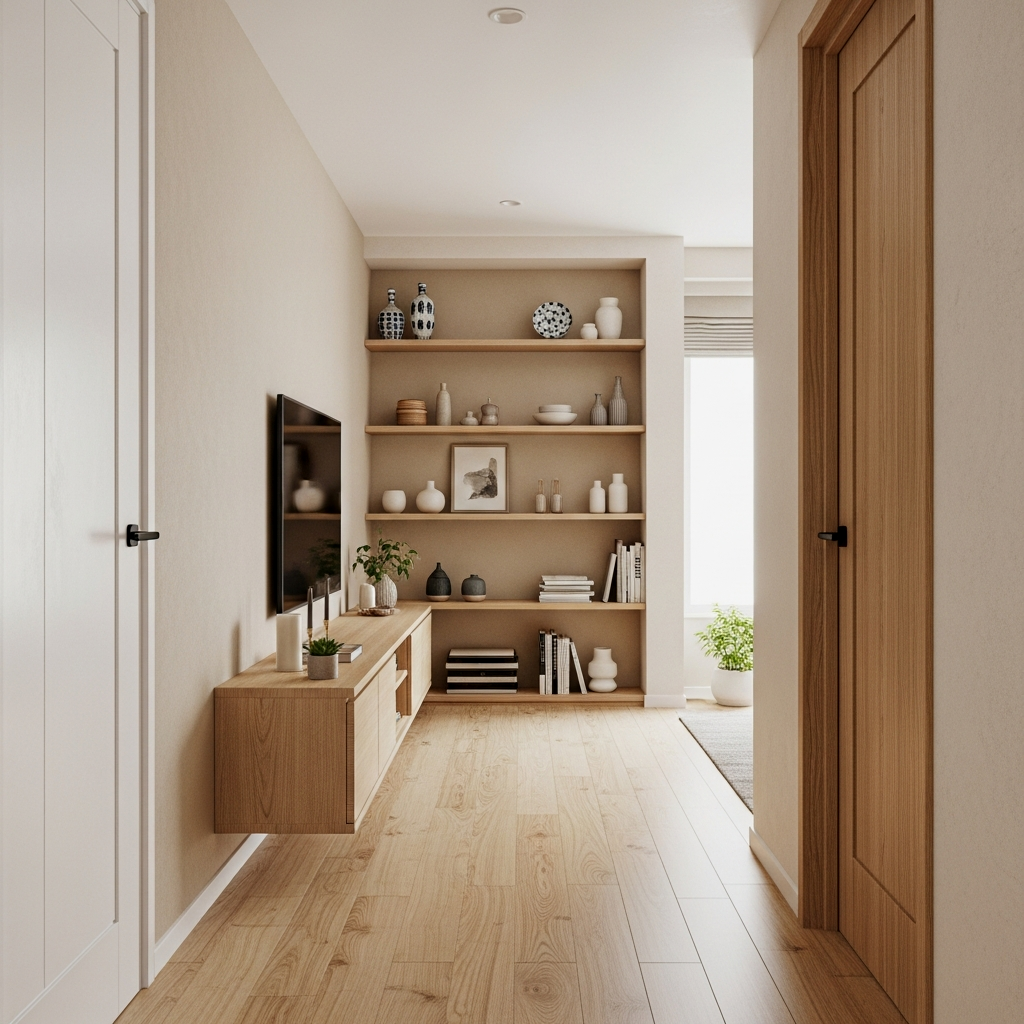
Once you try this you cannot go back to traditional bulky media units. Floating your TV console on the wall is the ultimate small-apartment hack. By eliminating the footprint on the floor, you maintain that continuous line of flooring which, again, tricks the eye into seeing more space. It looks incredibly modern and clean. Pair a floating oak console with a frame TV displaying a piece of minimalist art, and you’ve basically mastered the look. This alone is worth it for the ease of vacuuming alone!
Multi-Functional Nesting Tables
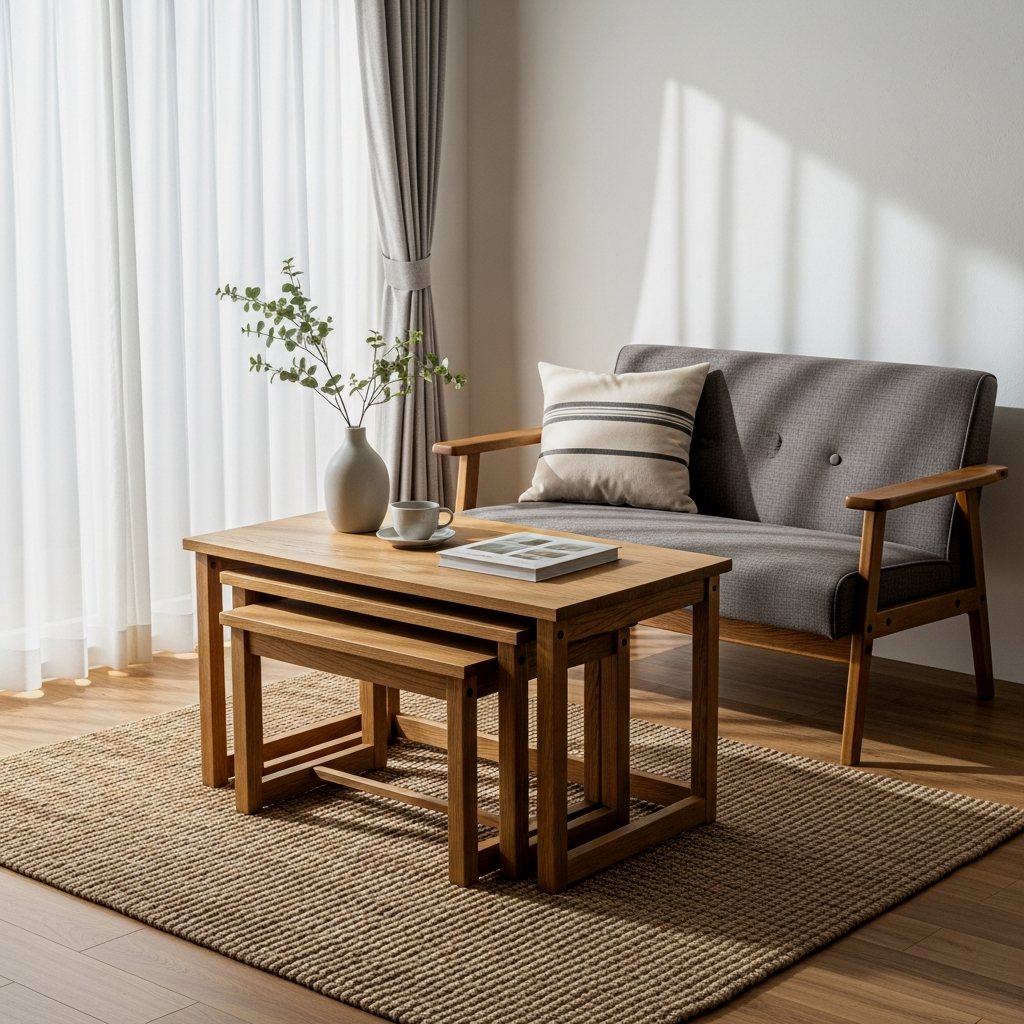
In a small living room, a massive coffee table is often a mistake. Instead, look for nesting tables in natural materials like wood or stone. You can keep them tucked together for daily use to maximize floor space, but pull them apart when you have guests over and need a spot for drinks. This is the one functional piece that never feels like a compromise. Genuinely, it’s about having furniture that works for your life without hogging the spotlight.
Maximizing Natural Light Nooks
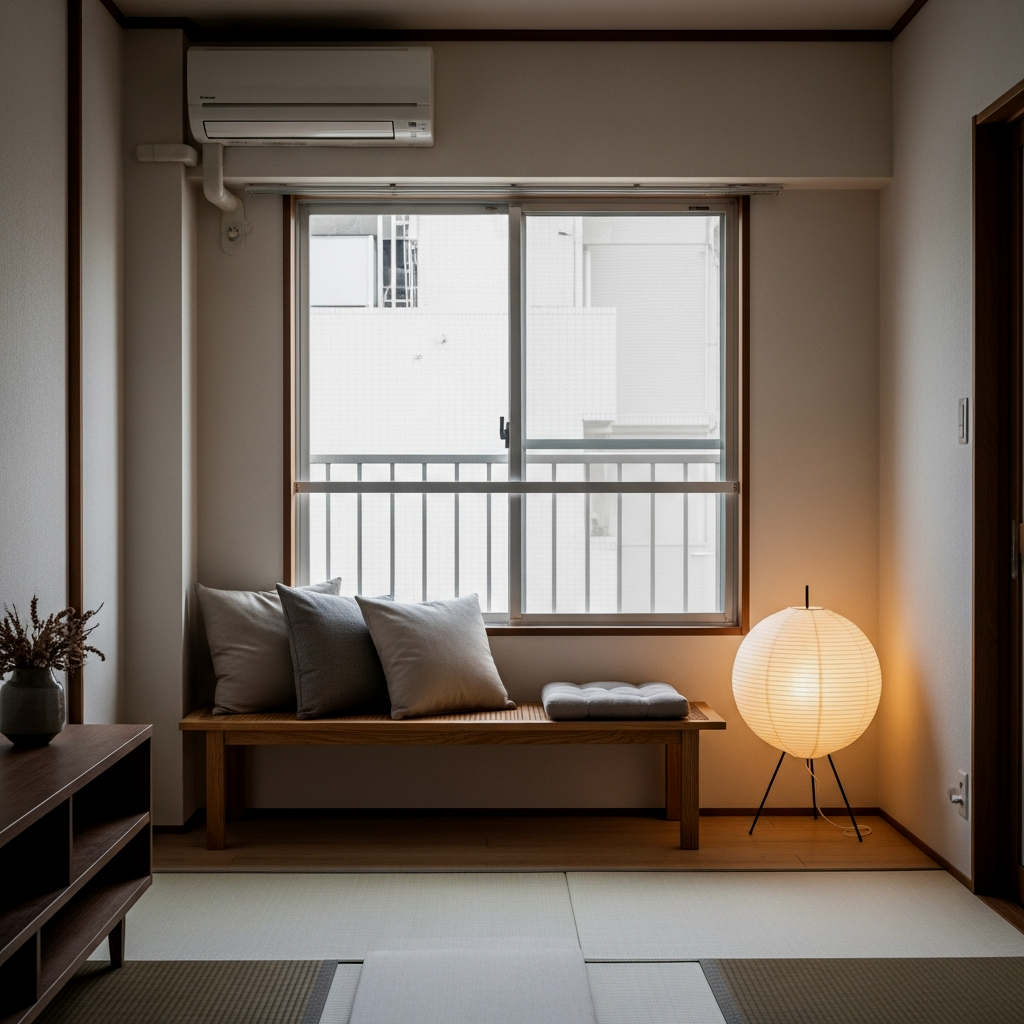
Japandi thrives on light. If you have a corner near a window, don’t block it with a heavy bookshelf. Instead, create a light-filled nook with a single, sculptural chair and a sheer linen curtain. Keeping the area around your windows clear is vital for that airy, Scandinavian feeling. I cannot stress this enough: let the light hit the floor. It creates a sense of warmth and movement that no amount of artificial lighting can replicate.
The exact pieces that make these ideas work:
Texture-Rich Minimalist Accents
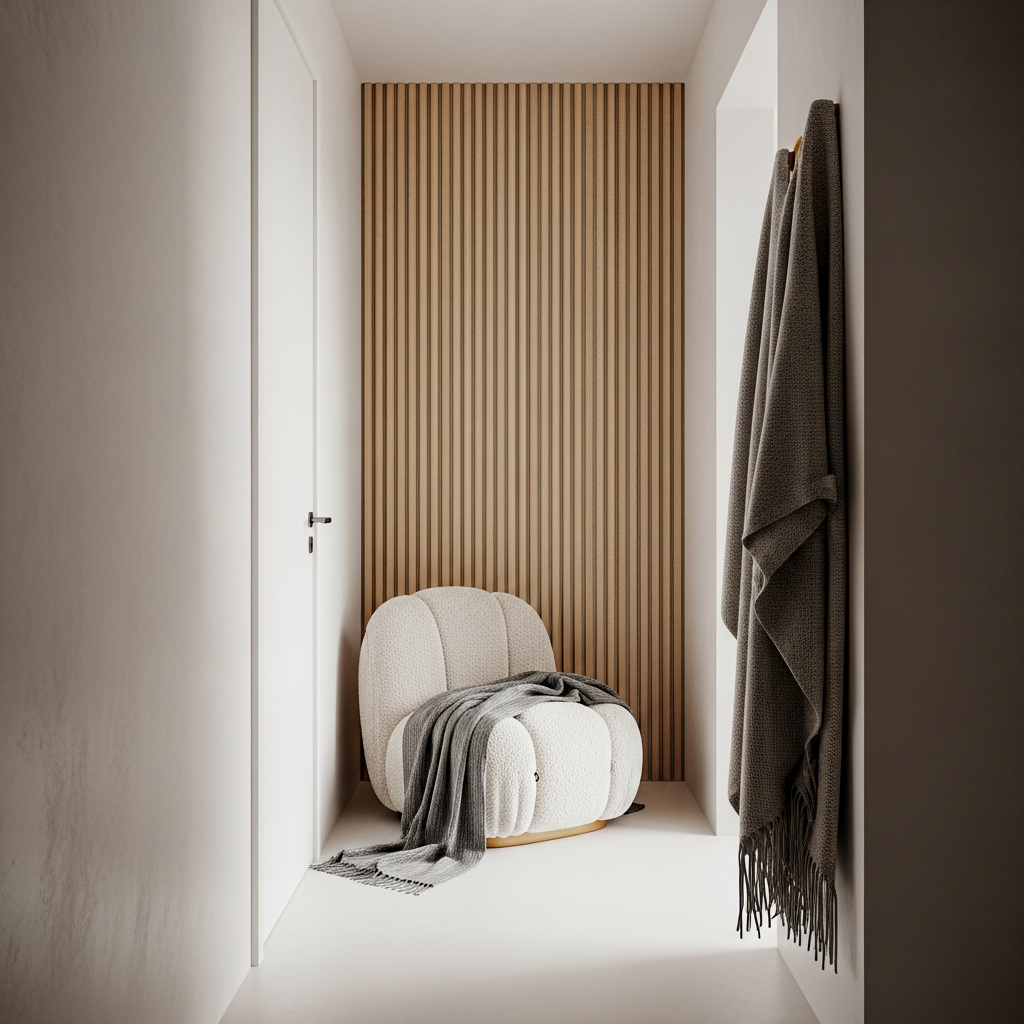
Since the color palette in a Japandi apartment is usually quite restrained, you have to bring in “interest” through texture. Think chunky wool throws, bouclé pillows, and seagrass baskets. Without these, a small room can feel flat and boring. But when you layer a rough jute rug under a soft, creamy sofa, the room feels expensive and curated. You will not regret this: invest in a few high-quality, tactile pieces instead of a bunch of cheap, smooth synthetic ones.
Modern Contrast with Black Details
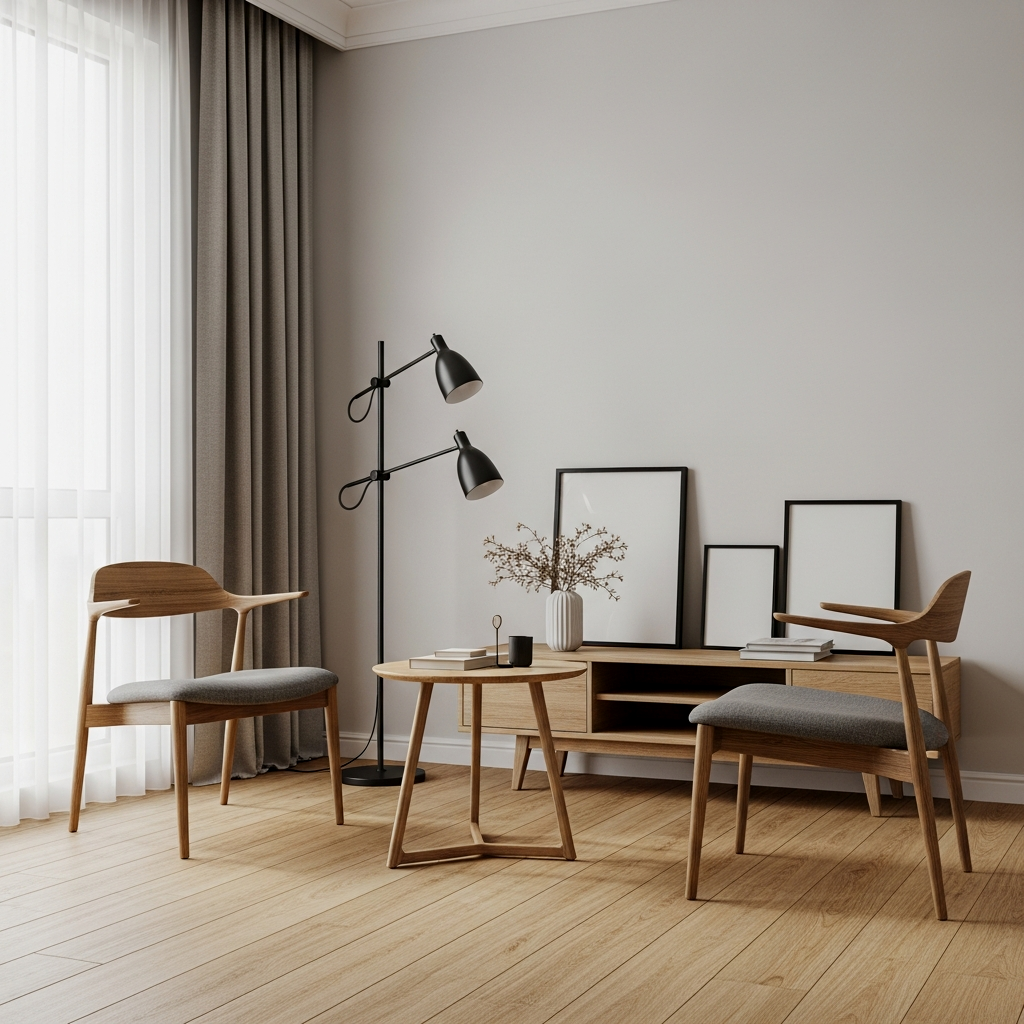
While the base of the room should be light and bright, you need a few “anchors” to keep it from looking washed out. This is where the Japanese influence really shines. A matte black floor lamp, a black metal picture frame, or a dark ceramic bowl provides a sharp, modern contrast that grounds the space. It’s like adding punctuation to a sentence; it makes everything else more readable and sophisticated.
To truly elevate a small Japandi living room, use a “Warm White” paint like Benjamin Moore’s ‘Swiss Coffee’ or Sherwin Williams’ ‘Alabaster’. Stark, cool whites can feel clinical in small spaces, but these warmer tones mimic the look of natural parchment and rice paper, making the walls feel like they’re softly glowing rather than closing in.
📏 10 Small Japandi Living Room Ideas for Apartment Dwellers Quick-Win Checklist
- Elevate: Choose furniture with at least 4-6 inches of leg clearance.
- Declutter: Use closed storage for everything that isn’t aesthetically pleasing.
- Reflect: Place a light wood mirror opposite your main window.
- Tone: Stick to a palette of maximum 3 neutral shades plus one wood tone.
- Green: Add one tall, structural plant like a Dracaena or Olive Tree for height.
Vertical Storage and Greenery
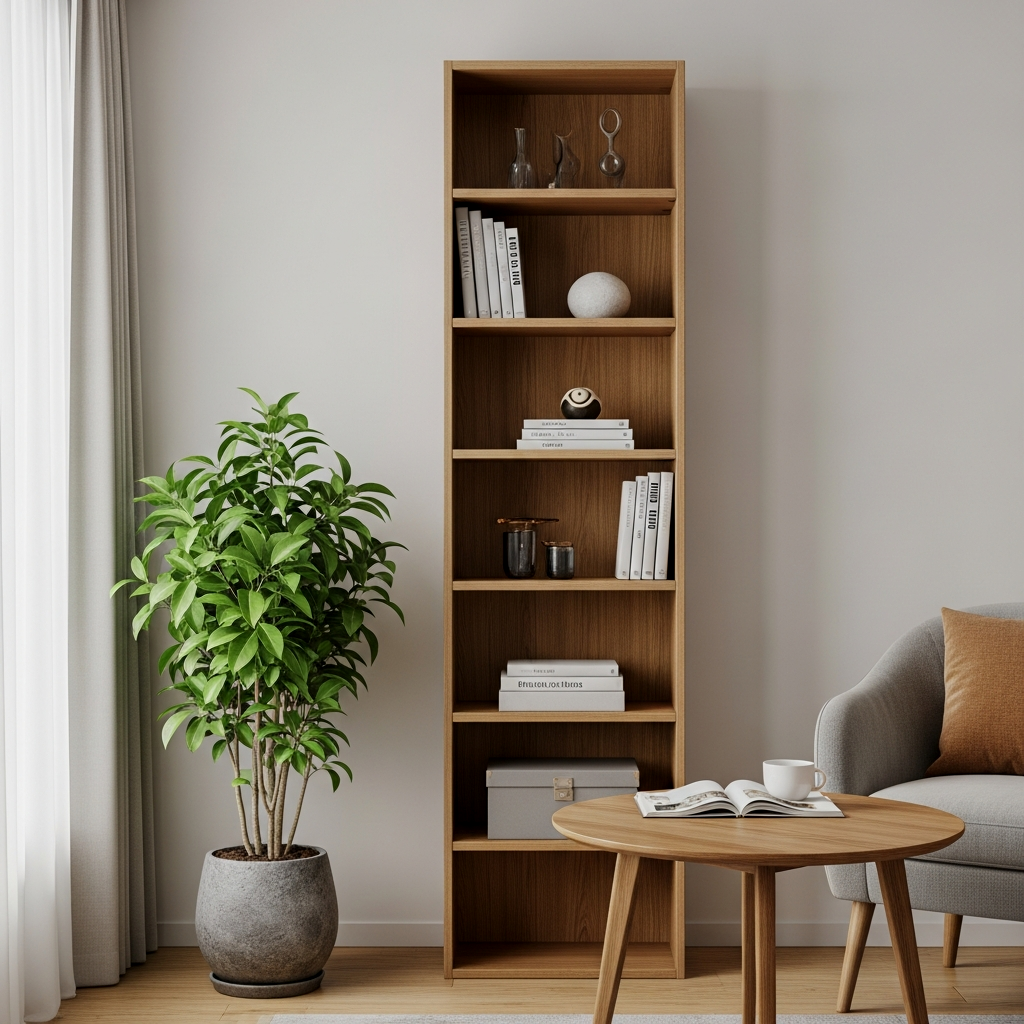
When you run out of floor space, go up! But do it the Japandi way. Instead of a heavy bookshelf that eats up visual volume, try a single, elegant wall shelf with a trailing Pothos or a structural bonsai. Using vertical space for greenery adds life and color without making the room feel crowded. It draws the eye upward and makes the most of your apartment’s vertical real estate. Just remember to keep it curated; one or two well-placed plants are better than an overgrown jungle in a small space.
Creating a Japandi sanctuary in a small apartment is totally doable if you focus on the right elements. It’s all about quality over quantity and choosing pieces that breathe. If you’re ready to dive even deeper into this aesthetic, definitely check out my full guide on 25 Japandi Living Room Ideas to Finally Master the Art of Zen Minimalist Style for more inspiration. You’ve got this—your tiny living room is about to become your favorite place to be!
FAQ
What is the best color for a small Japandi living room?
Stick to warm, “greige” or creamy whites. These shades provide the brightness of white without the sterile feel, making small spaces feel cozy yet expansive.
How do I choose a rug for a tiny Japandi space?
Go for a low-pile, natural fiber rug like jute or sisal. Ensure it is large enough that all the front legs of your furniture sit on it, which helps define the “living zone” in an open-plan apartment.
Can I use dark wood in Japandi design?
Yes, but use it sparingly as an accent. While Scandi style loves light oaks, the Japanese side of the aesthetic often incorporates darker woods like walnut or charred cedar (Shou Sugi Ban) for contrast.
Is Japandi expensive to achieve in an apartment?
Not necessarily! It’s more about the editing process. You can find Japandi-style pieces at various price points, but the key is to have fewer, more intentional items rather than a room full of cheap decor.
How do I handle a TV in a Japandi living room?
The best way is to mount it on the wall or use a slim, floating console. If possible, use a TV that displays art when off to maintain the serene, gallery-like feel of the room.