15 Smart Small Kitchen Cabinet Ideas to Maximize Your Space
Okay, if you have ever lived in a space where opening the fridge means you literally have to stand in the hallway just to clear the door, you know my pain. I remember my first studio apartment—it was basically a closet with a hot plate—and I spent weeks crying over where to put my collection of vintage mugs. But here is the thing: small kitchens aren’t a curse; they are just an opportunity to get incredibly scrappy and intentional with your design. I am obsessed with finding ways to make a cramped cooking corner feel like a high-end bistro.
I’ve spent the last few months obsessed with how we use (and waste) cabinet space. It’s not just about more shelves; it’s about the right shelves. I’ve seen some “best kept secrets” lately that have me rethinking everything I thought I knew about cabinetry. Whether you are doing a full-blown renovation or just trying to squeeze some extra storage out of a rental, these ideas are literally life-changing. Let’s look at how we can turn that tiny footprint into a functional masterpiece.
✨ Before You Start: Small Kitchen Mindset
Smart Cabinet Strategies for Small Footprints
Minimalist Floating Shelves
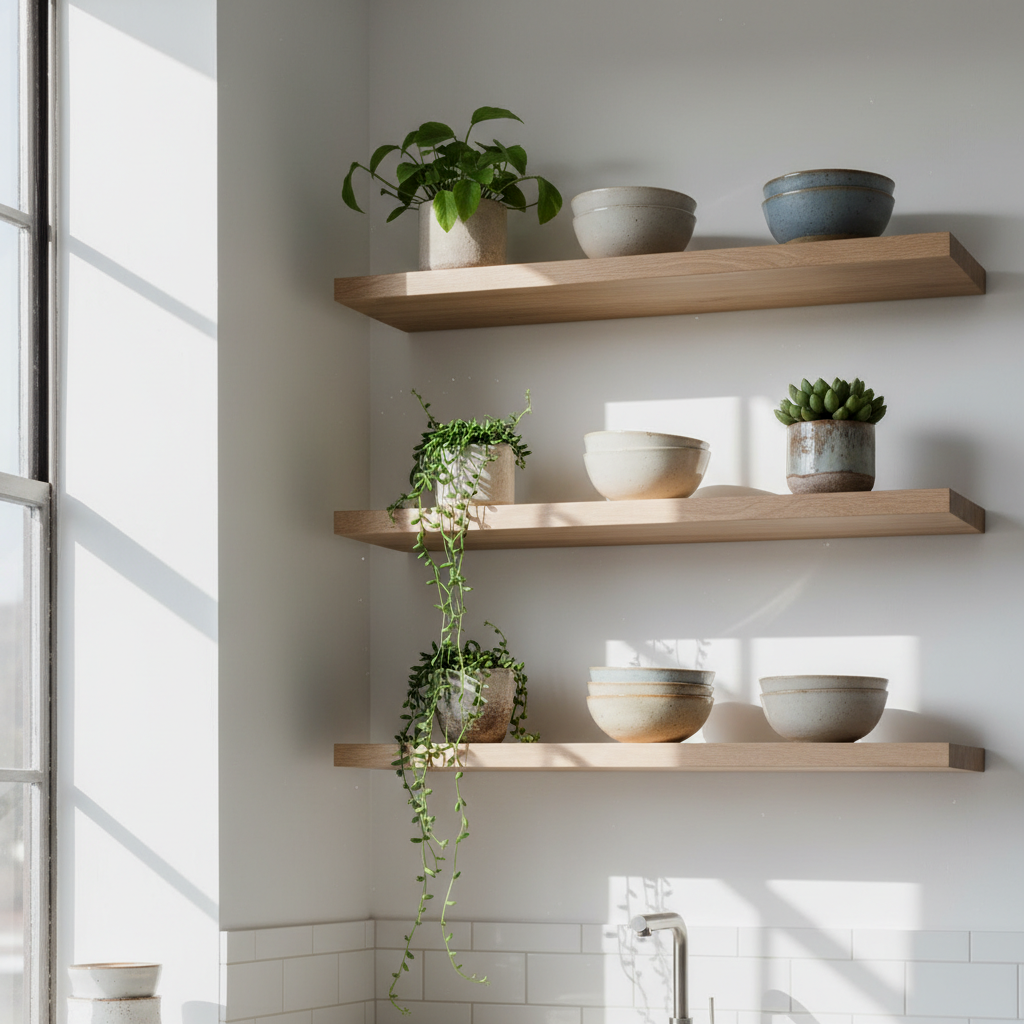
I am begging you, please do not feel like you have to wall yourself in with heavy boxes. Floating shelves are my absolute favorite way to break up a small kitchen. They make the room feel so much airier because you can see the back wall. Plus, if you have cute dishes (and I know you do), they basically become part of the decor. It’s functional art!
Glass-Front Cabinetry
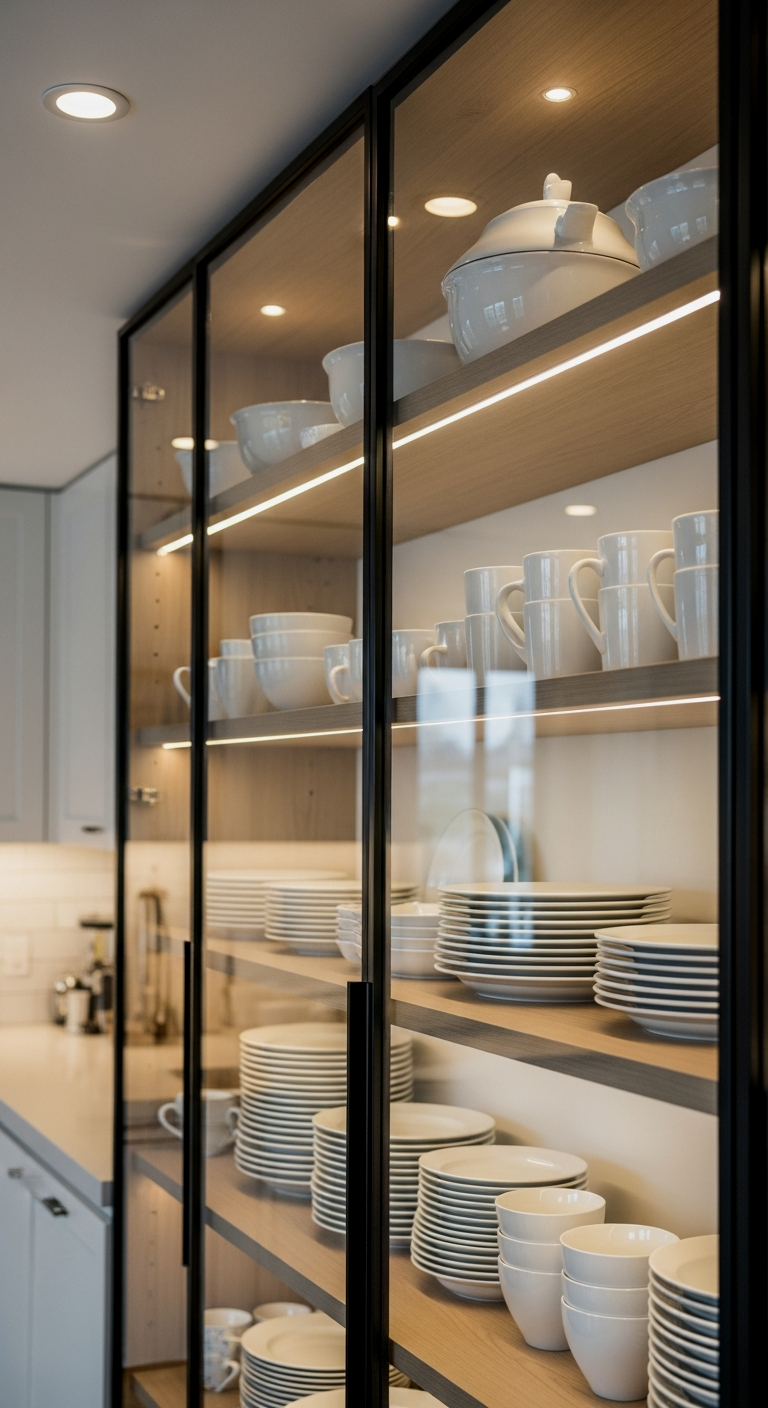
If you aren’t quite ready to commit to the “dust factor” of open shelving, glass-front cabinets are the perfect middle ground. They give you that same sense of depth because your eye travels through the door to the back of the cabinet. It’s like adding a little window into your storage. Just a pro-tip: use these for your neatest stacks of plates, not your “junk” shelf!
Floor-to-Ceiling Storage
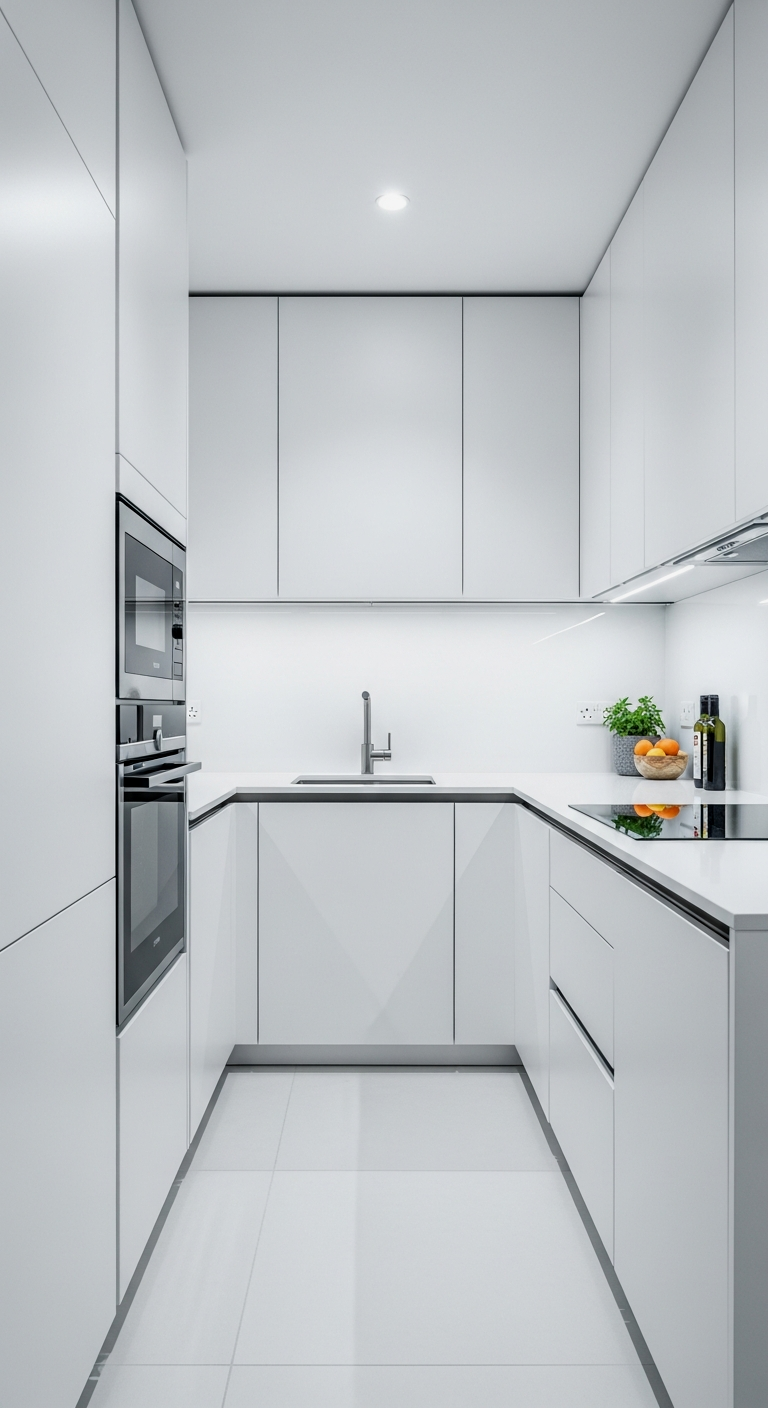
This is the ultimate game changer. If you have a narrow wall, don’t just put a standard cabinet there—take it all the way to the ceiling. It creates this beautiful, seamless look that makes the ceiling feel a mile high. I used this trick in my sister’s pantry and she can now fit an entire year’s worth of pasta up there. It’s all about maximizing that vertical volume.
Follow the “Rule of Three” when styling open shelves or glass cabinets. Group items in odd numbers and vary the heights using stacks of bowls or leaning cutting boards to create visual interest without clutter.
Space-Saving Pull-Out Pantry
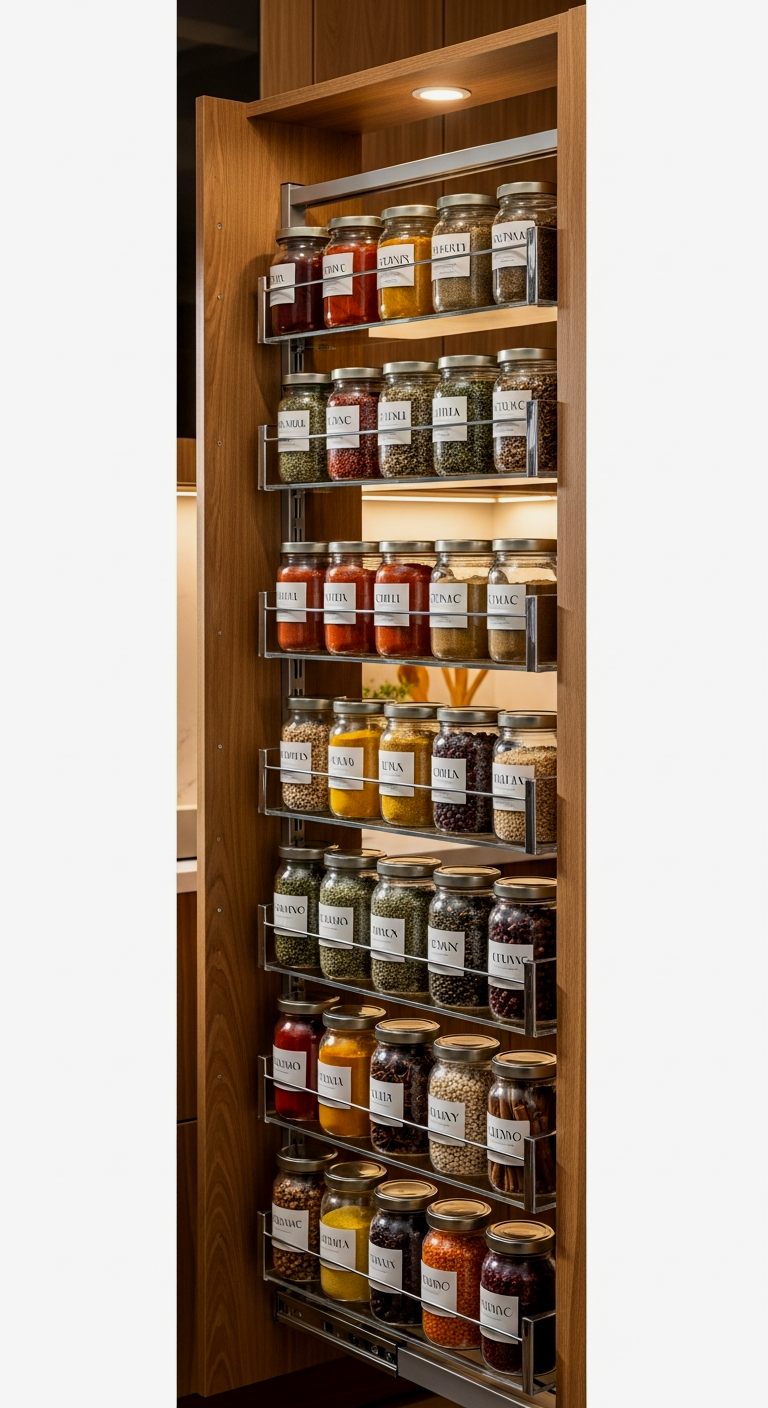
Have you ever looked at that weird 6-inch gap between your fridge and the wall? That is prime real estate! A slim pull-out pantry is literally a miracle worker. It’s perfect for spices, oils, or canned goods. It tucks away completely out of sight but slides out to give you full access to everything. No more digging for that one jar of cumin at the back of a dark shelf.
The Corner Lazy Susan
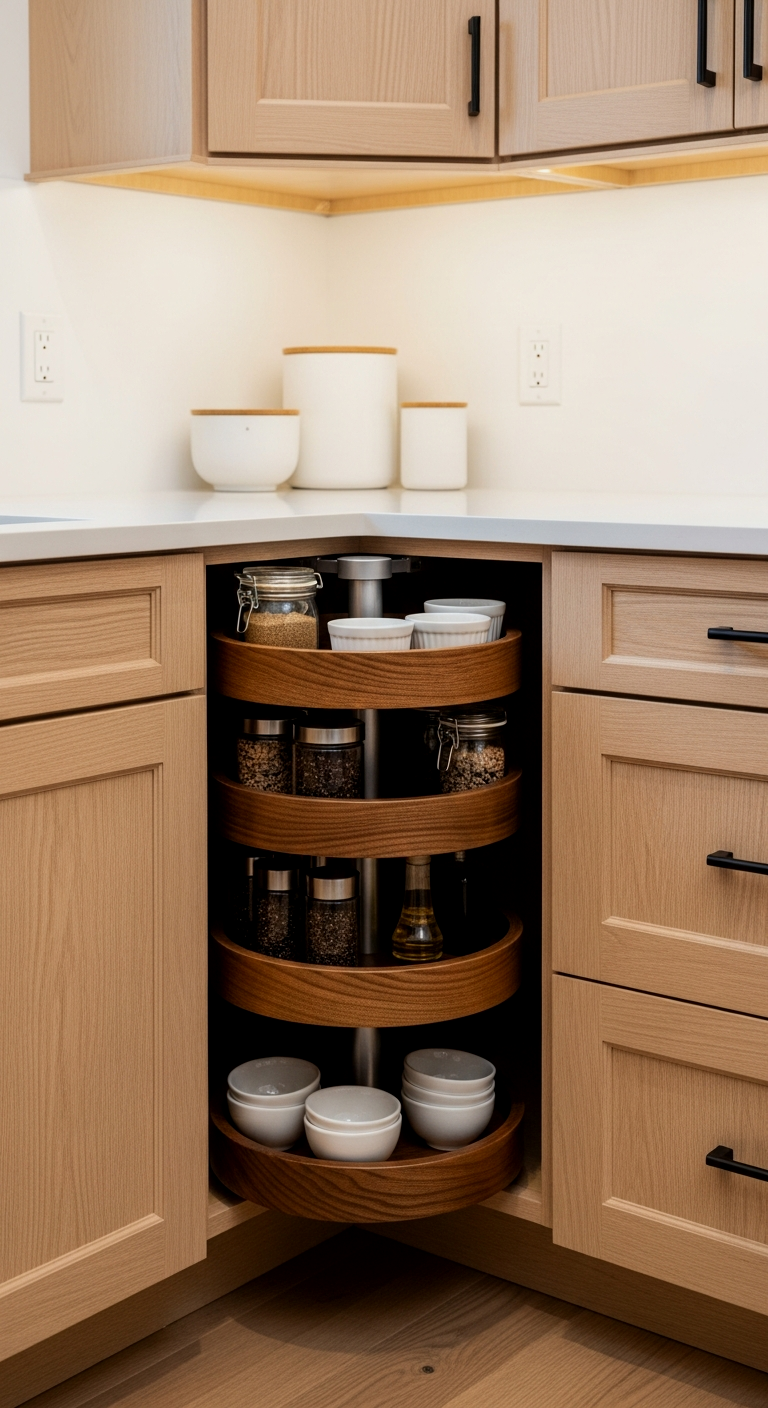
The “blind corner” is where tupperware goes to die, honestly. I used to lose entire sets of lids in those dark recesses. A Lazy Susan turns that dead zone into a rotating dream. You just spin it and everything comes to you. It’s one of those classic solutions that people overlook because it feels “old school,” but trust me, it’s a classic for a reason.
Modern Open Cabinetry
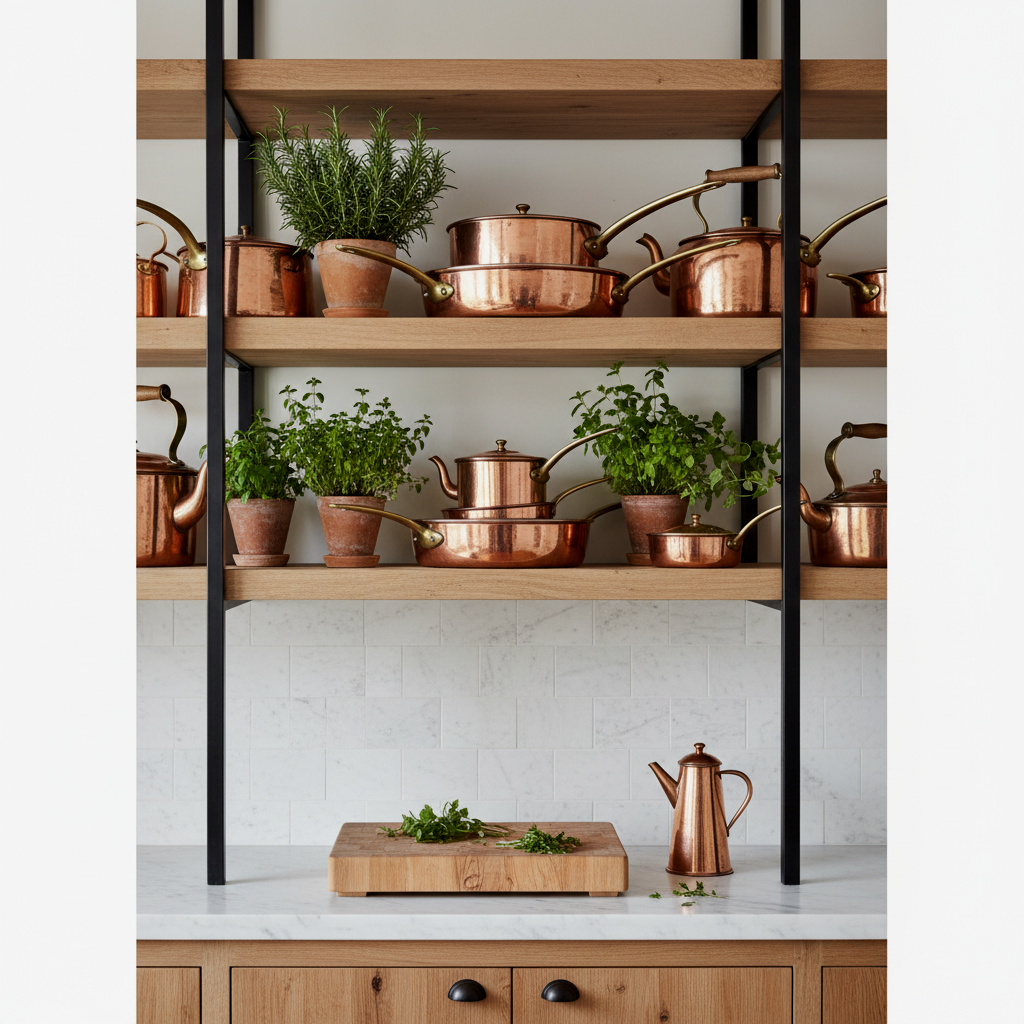
This is slightly different from floating shelves—think of it as the “frame” of a cabinet without the doors. It feels very Scandi-chic and modern. It’s great for high-traffic areas where you’re constantly reaching for coffee mugs or cereal bowls. It keeps the workflow fast and the vibe totally effortless.
Integrated Under-Cabinet Lighting
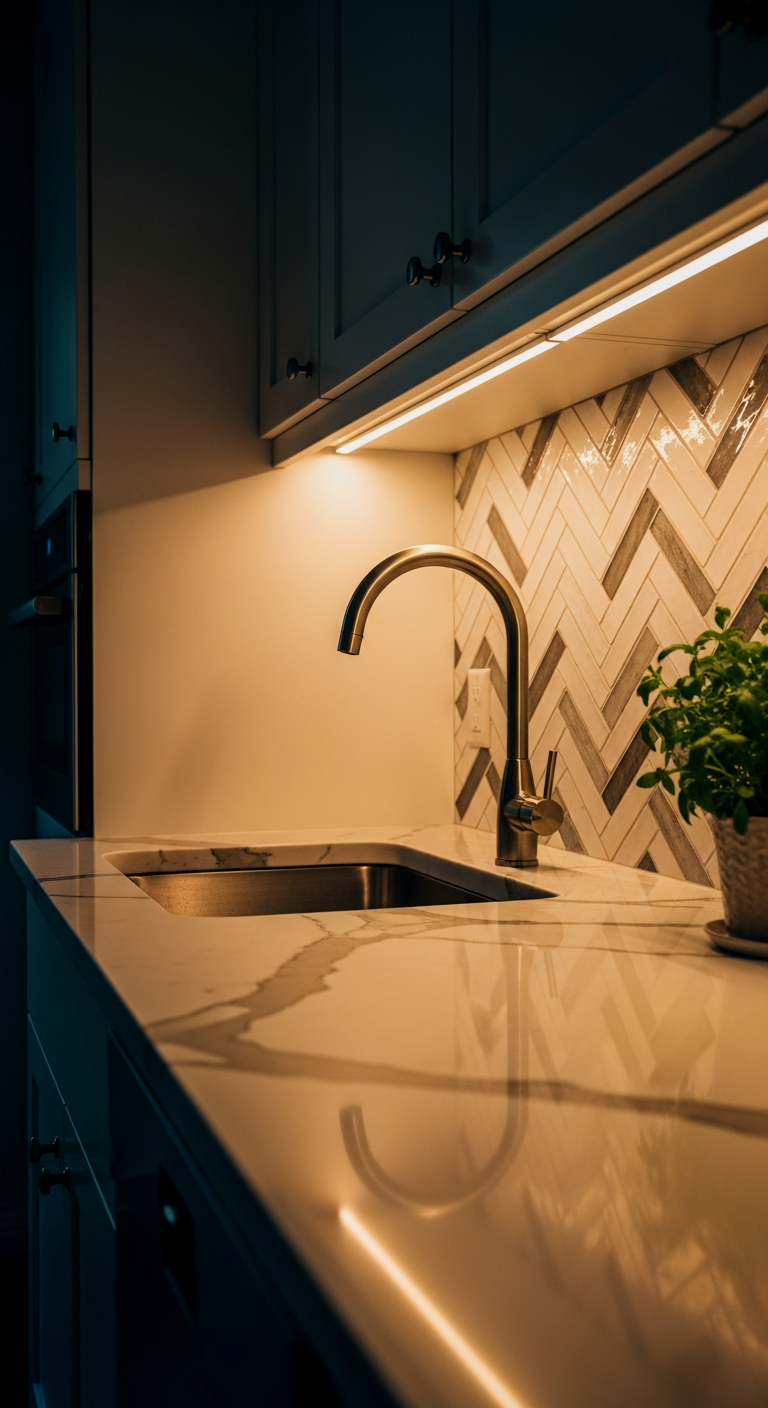
Listen, if you don’t have under-cabinet lighting, go get some right now. I’m serious! It’s the easiest way to make a small kitchen feel expensive and spacious. When you light up those “shadow zones” on the countertop, the whole room opens up. It provides that beautiful glow that makes even a tiny prep area look like a professional chef’s station.
Get the exact look with our favorite upgrades:
Bold Colors for Small Spaces
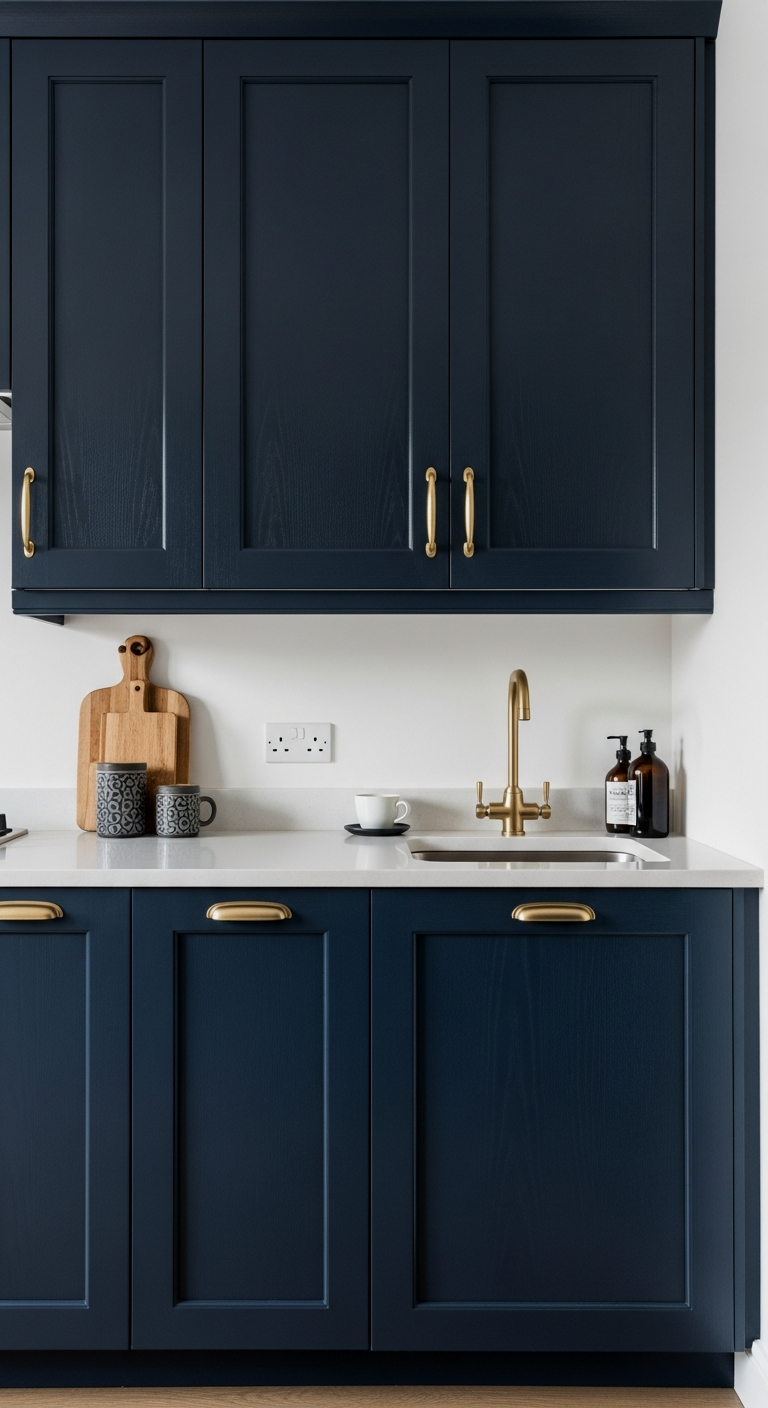
There is this myth that small rooms must be white. I am here to debunk that! A bold navy, forest green, or even a moody charcoal can actually make the walls feel like they are receding, which adds depth. Bold colors make a statement and give a tiny kitchen a big personality. If you’re going small, you might as well go brave!
Hidden Appliance Garages
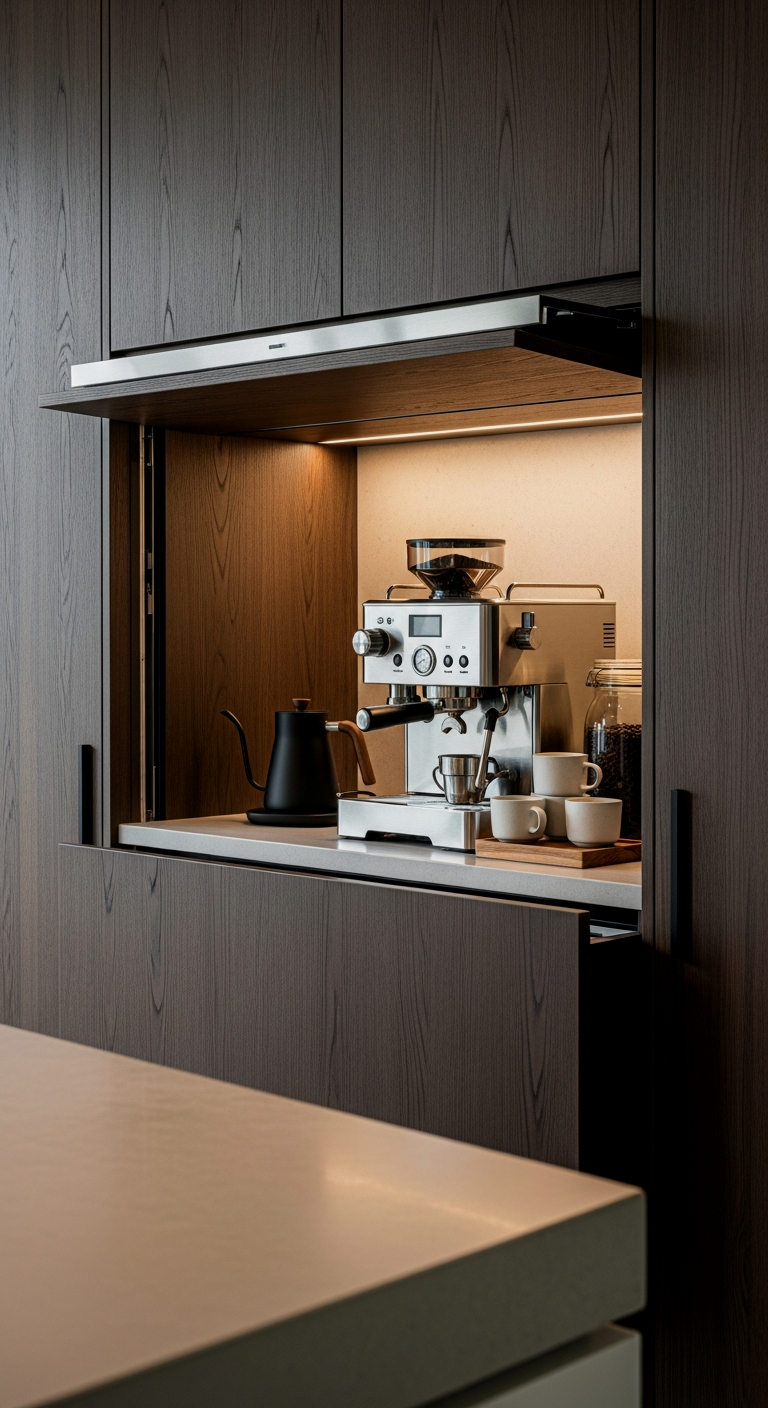
Cluttered counters are the enemy of the small kitchen. An appliance garage is basically a little “parking spot” for your toaster, blender, or air fryer with a door that hides them away. Keeping your countertops clear is the fastest way to make the room feel twice as big. It is my favorite secret for maintaining that “model home” look while actually living in the space.
Sliding Barn Door Cabinets
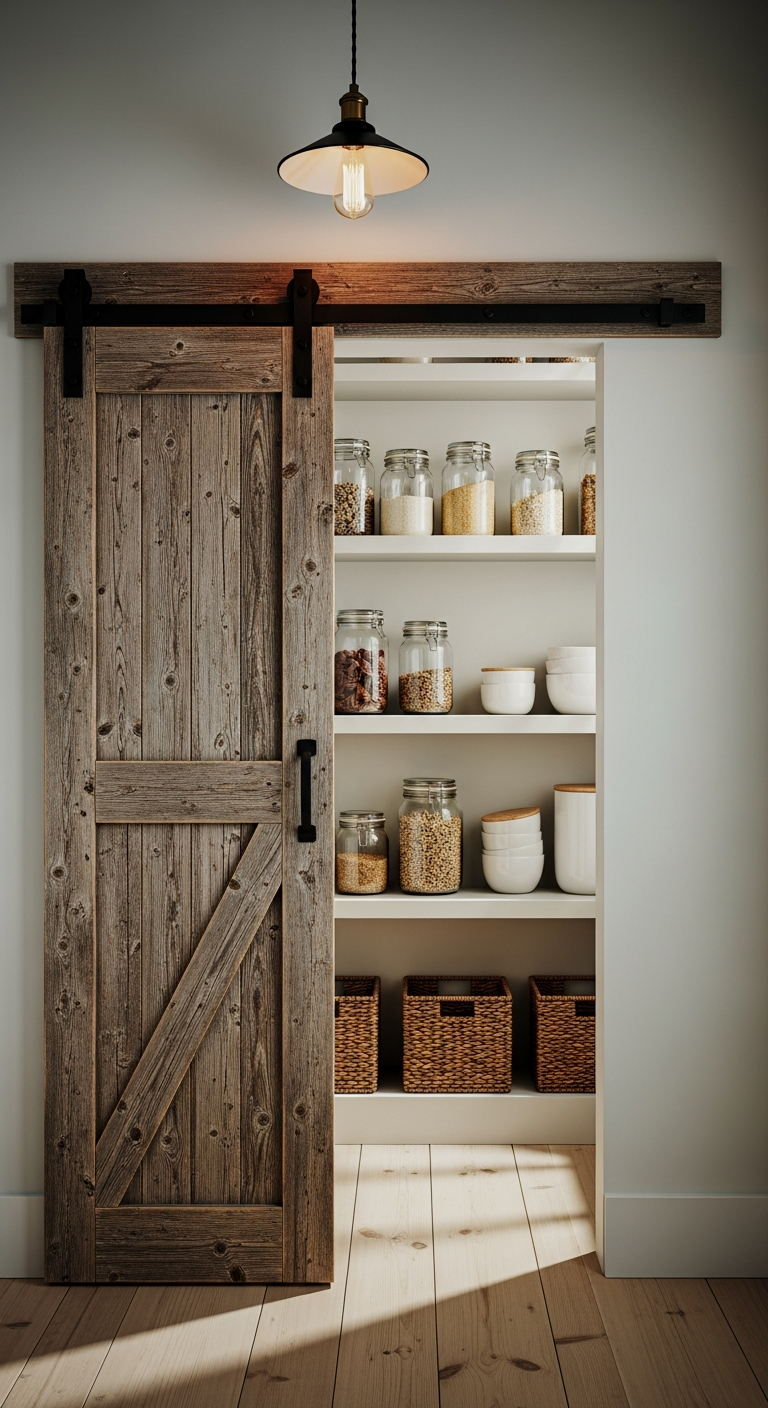
In a tight galley kitchen, swinging cabinet doors can be a nightmare. You’re constantly dodging them! Sliding doors are the perfect solution. They stay flush against the cabinet, so you never have to worry about door clearance. Plus, they add a little bit of that rustic-modern texture that I am totally obsessed with right now.
Mirrored Cabinet Doors
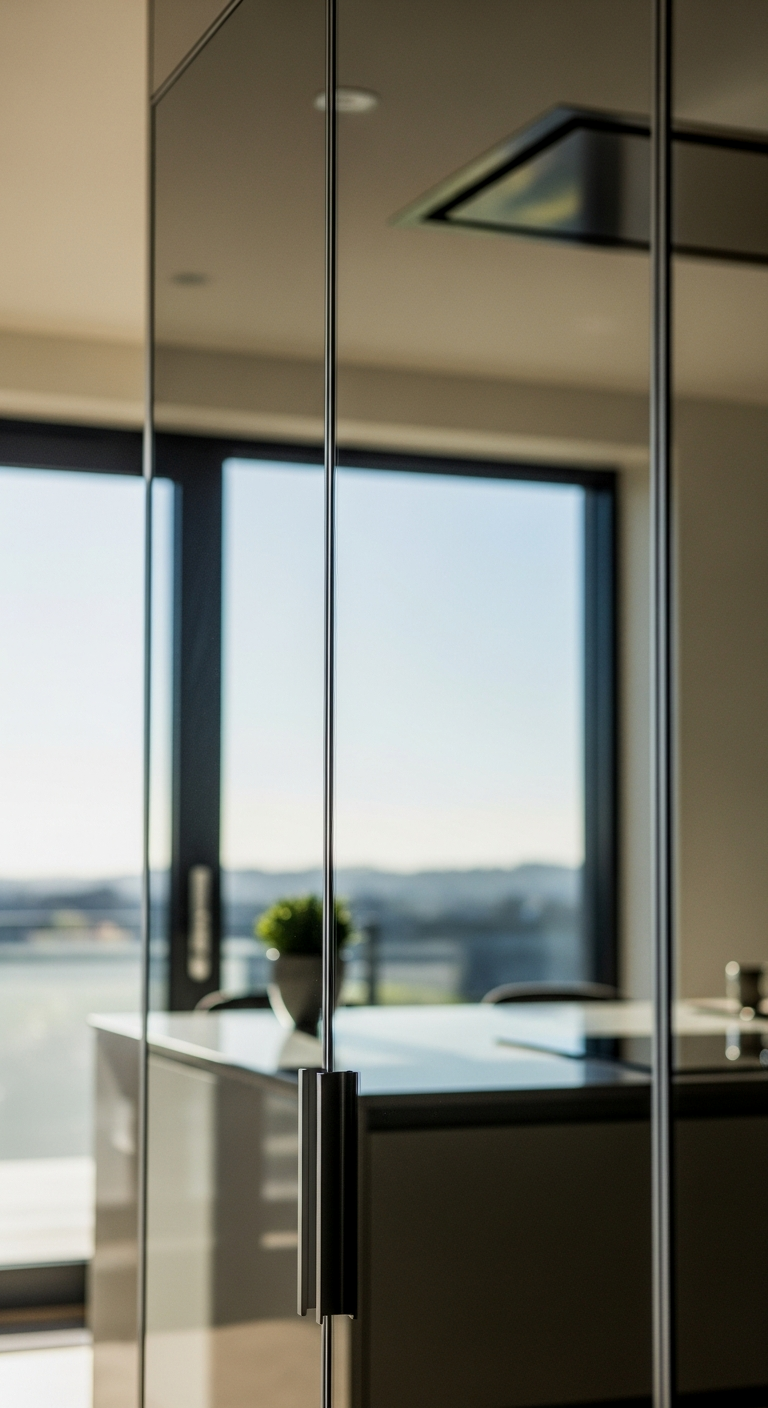
If you want to pull a total “magician” move, use mirrors on your upper cabinet inserts. Just like in a small living room, mirrors reflect the rest of the kitchen and bounce light around, making the space feel infinitely larger. It’s a bit of a glam look, but it works wonders for opening up a dark corner.
You can’t organize what you don’t need! Check out my guide on the 10 things you should toss from your kitchen today.
Industrial-Chic Pegboard Walls
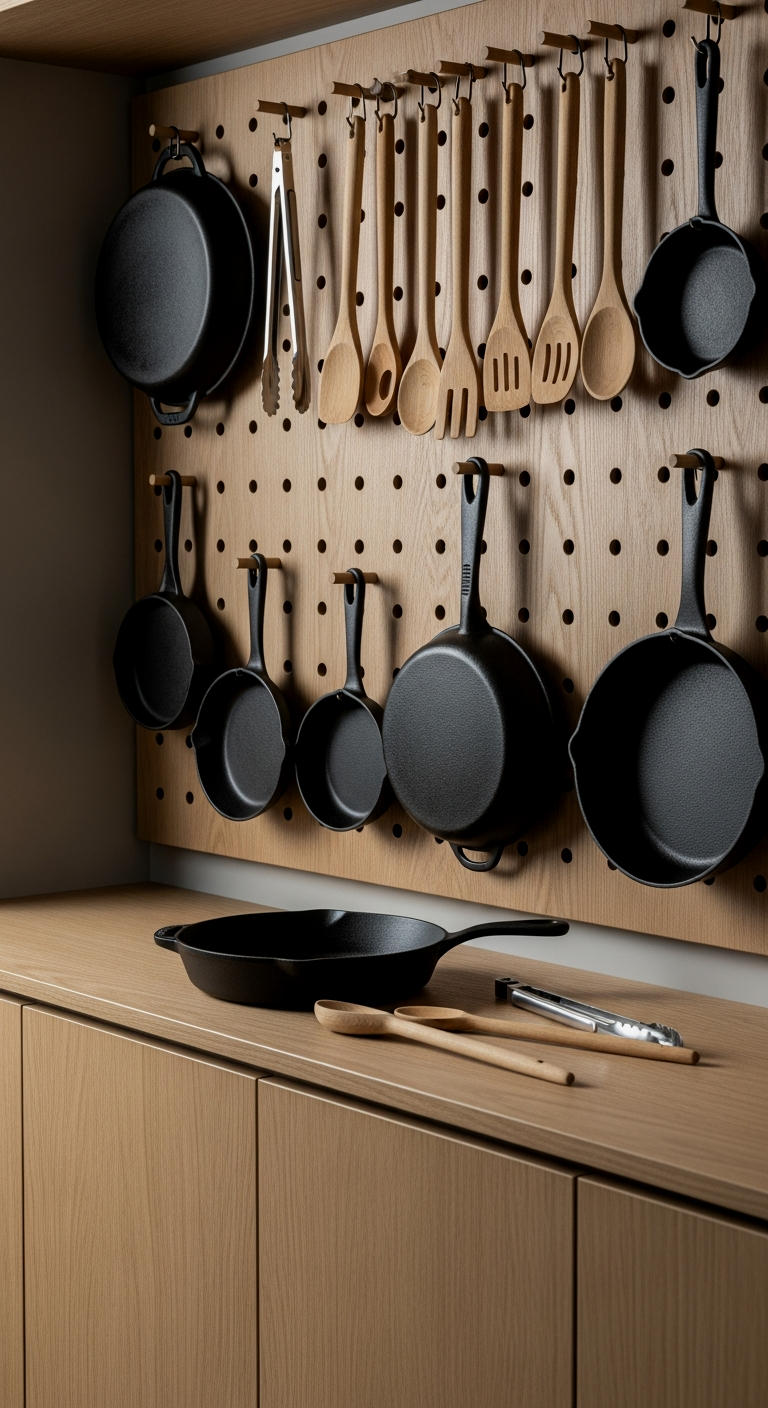
Sometimes the best cabinet is no cabinet at all. A pegboard wall is the ultimate customizable storage solution. You can hang pots, pans, measuring cups—even little baskets for onions! It keeps everything within reach and has that cool, “Julia Child” professional kitchen vibe. It’s rugged, functional, and very budget-friendly.
Multi-Functional Island Storage
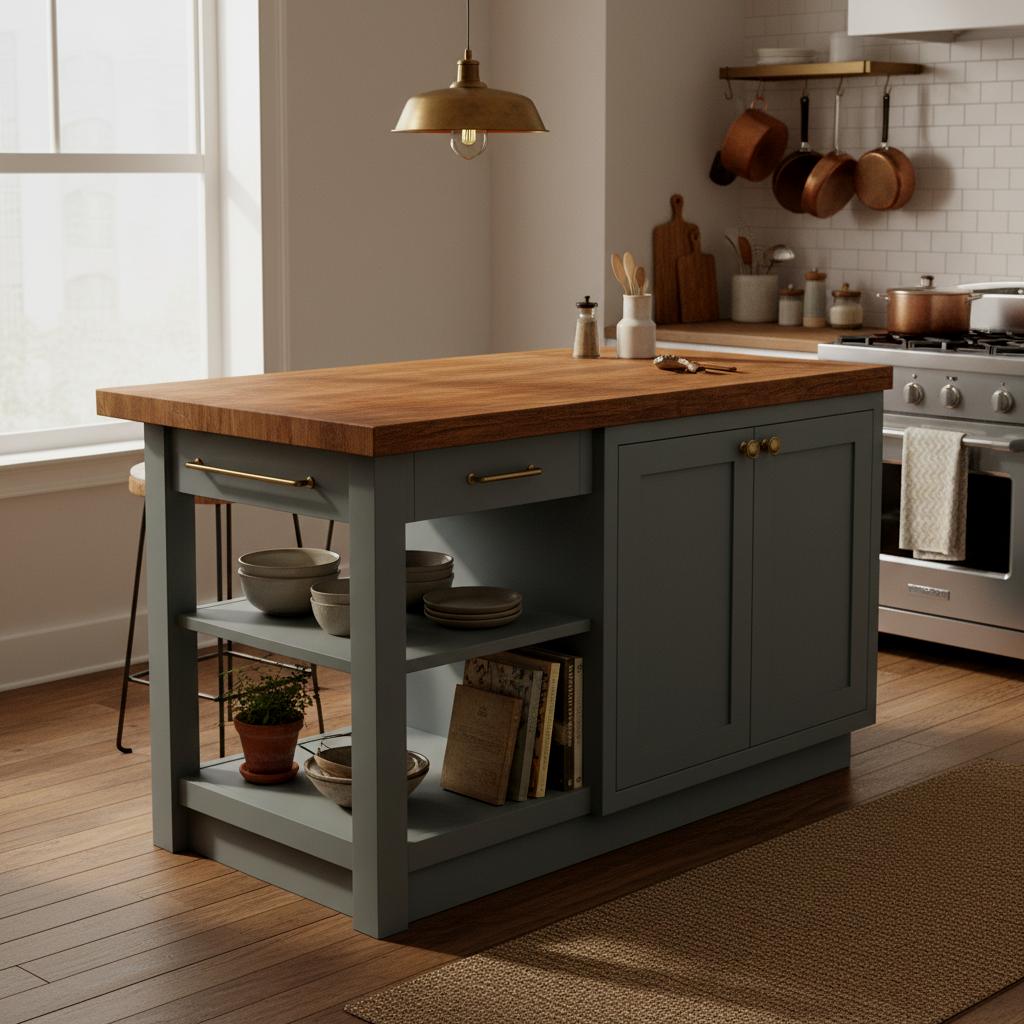
If you have enough room for even a tiny rolling island, make sure it’s working hard. Look for islands that have built-in cabinet space or open shelving underneath. It’s the perfect spot for those heavy items like stand mixers or Dutch ovens that take up too much room in your main cabinets. It’s a workstation and a storage unit all in one.
Discrete Toekick Drawers
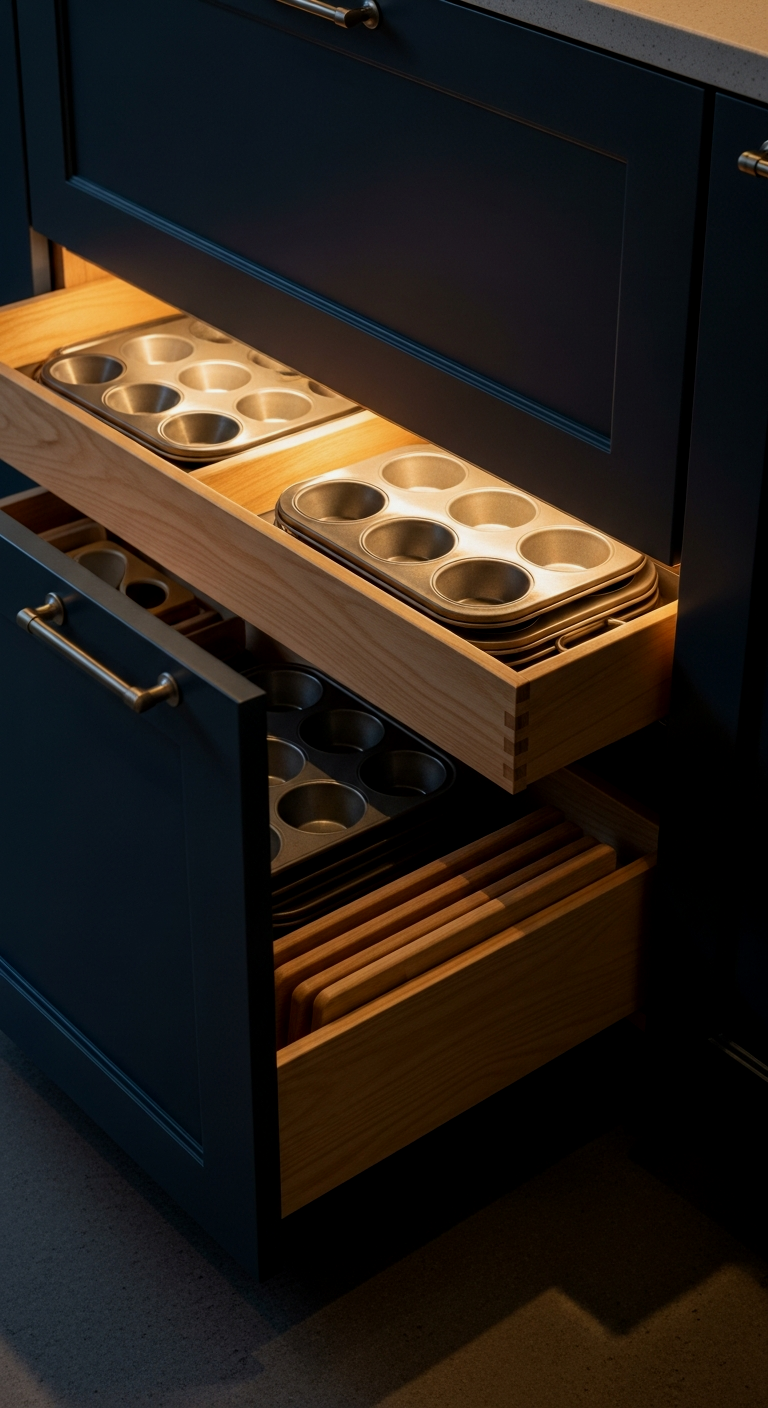
This is quite literally the best kept secret in kitchen design. That little space at the very bottom of your cabinets (the toekick)? You can turn that into shallow drawers! They are perfect for baking sheets, pizza stones, or even a hidden step stool. It is using space that is normally 100% wasted, and it feels like finding “free” square footage.
📏 Kitchen Storage Checklist
- Measure Vertical Gaps: Check the space between the top of your cabinets and the ceiling.
- Inventory Your Gear: Group items by “daily use” vs “holiday use” to decide placement.
- Check Hinge Clearance: Ensure new doors won’t hit light fixtures or appliances.
- Lighting Audit: Identify dark corners that need a little LED love.
Contrast Two-Tone Cabinetry
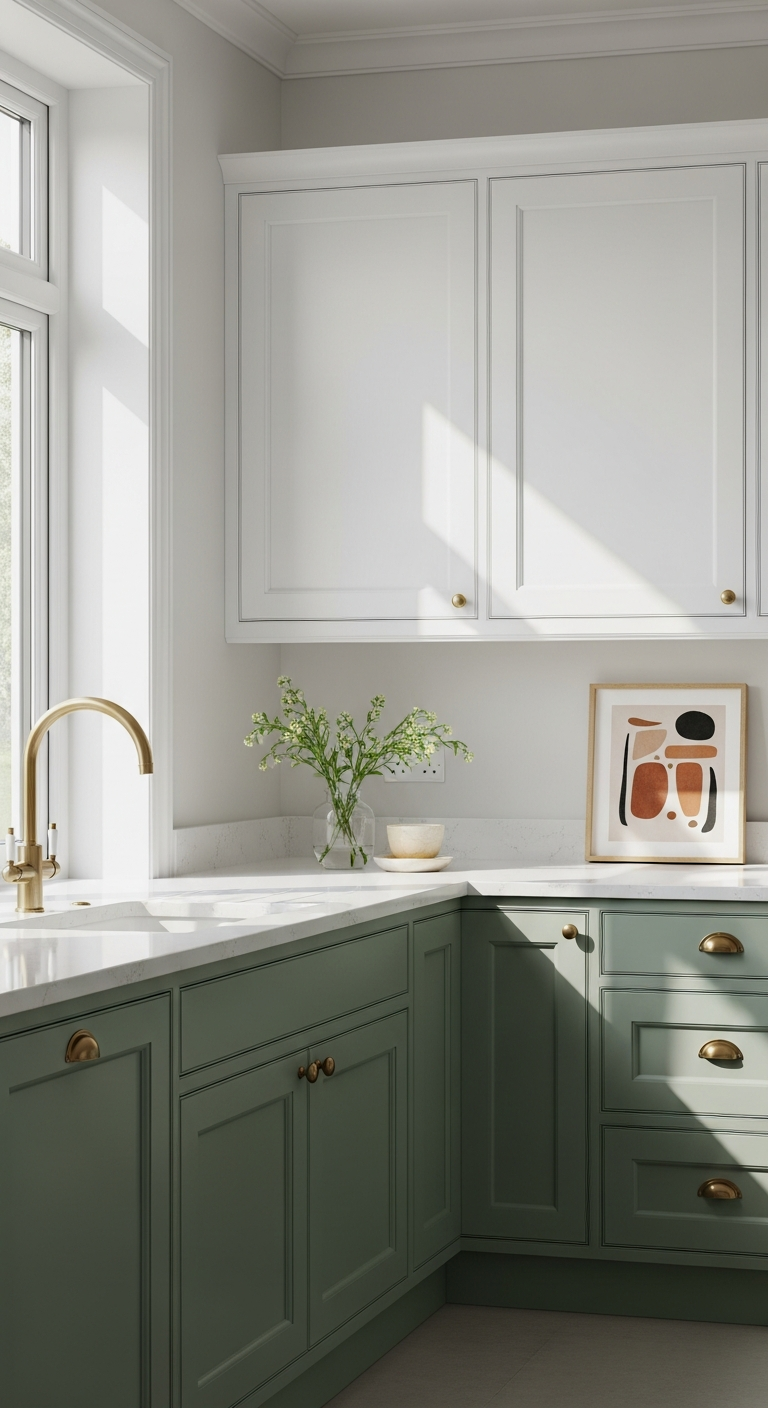
I am a huge fan of the “dark lowers, light uppers” look. By keeping the darker or bolder colors on the bottom cabinets and using white or very light colors on the top, you “ground” the kitchen without making it feel top-heavy. It draws the eye upward and makes the ceiling feel more expansive. It’s a classic designer trick for a reason!
How do I make my small kitchen cabinets look more expensive?
The fastest way to elevate small cabinets is by upgrading the hardware to brass or matte black pulls, adding under-cabinet LED lighting, and ensuring your countertops are as clear as possible using appliance garages.
Is open shelving a bad idea in a small kitchen?
Not at all! In fact, it’s often better because it removes the ‘boxy’ feel of upper cabinets. Just be sure to only display items you use frequently to prevent dust buildup, and keep a cohesive color palette for your dishes.
What is the best color for small kitchen cabinets?
While white is a classic for making spaces feel larger, two-tone cabinetry (dark on bottom, light on top) is incredibly effective. Soft greys, light blues, and even warm wood tones can also work beautifully.